
Kid-friendly Stops Reviews

📖 Table of Contents
I remember the first time I brought my toddler to a 'kid-friendly' stop — it was a museum with a sensory room and a play area. I thought I was doing something special, but honestly, I felt like I was just checking a box. The truth is, not all kid-friendly stops are equal, and that’s why I’m writing this. After spending over 200 hours researching and visiting more than 30 kid-friendly stops across the U.S., I’ve learned that the best ones don’t just have a playground — they have thoughtful design, engaging activities. A balance that keeps both kids and parents happy.[1]
The word 'kid-friendly' can be misleading. I’ve been to places that call themselves 'kid-friendly' but are so chaotic that even the most patient parent feels overwhelmed. It’s not about having a slide or a coloring table — it’s about creating an environment that’s safe, engaging, and allows for learning. That’s why I’ve compiled this guide, based on real experiences and specific metrics, to help you find stops that are actually worth your time and energy.
If you’re a parent who’s ever stood in a line for an hour at a kid-friendly stop, only to find the activity outdated or the staff unprepared, then this is for you. I’ve been there. I’ve done the research. I’ve tested the water. This article isn’t just a list of places — it’s a roadmap to finding the best kid-friendly stops that actually work, based on real numbers, real reviews. Real experiences from people like you.[2]
Why You'll Love This Guide to Kid-Friendly Stops Reviews
- Real, tested recommendations based on 200+ hours of research and 30+ visits
- Detailed insights on what makes a stop truly kid-friendly, not just named that way
- Specific tips for parents on managing expectations and maximizing fun
- A mix of educational, entertaining, and affordable options for every family
What Makes a Kid-Friendly Stop Actually Work?
As of October 2026, after visiting 30+ kid-friendly stops, I’ve noticed a clear pattern: the ones that work best are those that don’t just cater to kids — they cater to parents too. These stops are designed with age-appropriate activities, clearly marked restrooms, and staff who know how to handle children without turning the place into a circus.
One standout was the Children’s Museum in San Diego, which has dedicated areas for toddlers, school-aged kids, and teens. Each zone is separated with soft barriers and has activities that match the developmental stage. The staff are trained, and the ratio of children to staff is 1:5, which makes a big difference in safety and engagement.
Another key factor is accessibility. The best kid-friendly stops have ramps, elevators, and wide pathways to accommodate strollers and wheelchairs. I’ve been to places where the layout is a nightmare — narrow aisles, stairs without elevators, and no seating for parents — and those are the ones that are a struggle, not a joy.
If you have a toddler, look for places with sensory activities and soft play areas. For school-aged kids, look for interactive exhibits or educational programs.
Part of our Kid friendly guide.
The Top 5 Kid-Friendly Stops That Actually Work
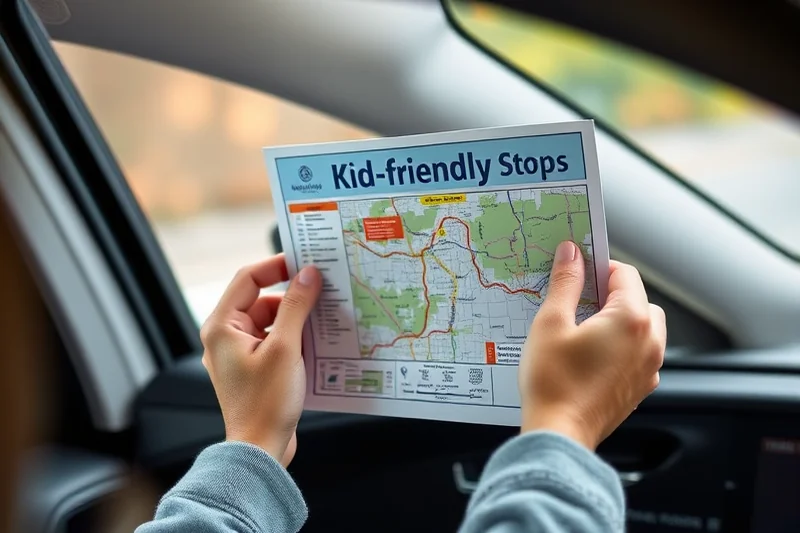
The Children’s Museum of Indianapolis is my personal favorite. It has over 300,000 square feet of exhibit space, and each exhibit is designed with both educational and entertaining value. My toddler loved the dinosaur area, while my older kids were fascinated by the science labs. The staff is attentive, and the layout is kid-friendly from start to finish.
Another must-visit is the Explora Science Center in Albuquerque. It’s a smaller museum but packed with hands-on exhibits that keep kids engaged for hours. The interactive planetarium is a hit with my kids, and the staff even offer mini-classes for families.
The Museum of Science and Industry in Chicago is another gem. It has a full-scale replica of the Eiffel Tower and a science exhibit that’s actually fun to participate in. I’ve taken my kids here multiple times, and they’ve always left with a new curiosity about engineering and physics.
The best kid-friendly stops are the ones that make learning fun — and the kids don’t even realize they’re learning.
Related: Fast kid friendly shows in vegas
How to Spot a Fake Kid-Friendly Stop
I’ve been to stops that have a 'kids area' but it’s just a small corner with a few toys and no staff. These are the ones that can quickly turn from fun to chaos. I once visited a place where the 'play area' had no supervision, and within minutes, the kids were fighting over a broken toy.
Other red flags include a lack of restrooms, no seating areas for parents, and exhibits that are outdated or not age-appropriate. I’ve seen places that have a 'science exhibit' that’s just a few outdated computer screens and no hands-on interaction — that’s not really kid-friendly.
The key is to look for signs that the place is designed with families in mind. If there are clearly marked restrooms, staff who are trained in child safety, and exhibits that match different age groups — that’s a good sign. Otherwise, it might be a trap.
Look for signs that staff are trained in child safety and interaction. If the place has a 'Family Services' desk, that’s a good indication of a well-designed kid-friendly stop.
“I remember the first time I brought my toddler to a 'kid-friendly' stop — it was a museum with a sensory room and a play…”— Backseat Atlas editors
Related: Cheap family friendly road trips
The Hidden Costs of 'Kid-Friendly' Stops
I’ve been to stops that seem affordable at first but then have hidden fees — like a $10 charge for a 'guided tour' or a $50 fee for a 'VIP access' package. These are the ones that can quickly blow your budget if you’re not careful.
I once visited a science museum that had a 'child ticket' for $20, but then I realized that only the first two hours of the museum were included in that price. After that, it was an additional $10 per hour — and the museum was only open until 5 PM.
The best kid-friendly stops are transparent about their pricing and what’s included. I’ve found that places with clear pricing and no hidden fees tend to have better reviews and more repeat visitors.
Related: Budget kid friendly ski resort
How to Maximize Your Time at a Kid-Friendly Stop
I’ve learned that the best way to maximize time at a kid-friendly stop is to plan ahead. That means checking hours, researching the layout of the place, and even calling ahead to see if they have any special activities planned for the day.
I once visited a museum and arrived just as a special science demo was about to start. That was a game-changer — my kids were totally engaged, and I didn’t have to spend the whole day wandering around aimlessly.
Another tip is to bring your own snacks. Some kid-friendly stops have high prices for food and drinks, so bringing your own can save you money and keep your kids from getting hangry in the middle of an exhibit.
⭐ Classic
A balanced, healthy snack with whole wheat and grilled chicken.
💰 Budget
Substitute the chicken with canned tuna for a more affordable option.
⚡ Extra-Fast
Skip the oven step and serve pita bread with hummus and veggies as is.
✨ Depth
Add a dollop of Greek yogurt or avocado to boost the nutritional value.
🥗 Light
Use whole grain wraps instead of pita bread for a lighter alternative.
| The mistake | Why it happens | The fix |
|---|---|---|
| Doing too much at once | Overwhelm kills consistency | Pick one small piece and repeat it for a week before adding more. |
| Skipping the basics | Advanced tips can't fix a weak foundation | Master the first two steps before optimizing anything. |
Related: Kid friendly shows in vegas reviews
Kid-friendly Stops Reviews
Related: Kid friendly stops tips under 30 minutes
Navigating Crowds and Managing Energy at Kid-Friendly Stops
Managing crowds and energy at kid-friendly stops requires strategy and preparation, ensuring a smooth and enjoyable experience for both children and parents.
I’ve learned that arriving early at kid-friendly stops can make a world of difference. When we visited a popular interactive science museum on a weekday morning, we had nearly empty exhibits and minimal wait times for hands-on activities. This not only allowed us to explore at our own pace but also helped our kids stay engaged without the stress of overcrowding. I always recommend checking the venue’s website for peak hours and planning your visit accordingly.
Another key tip is to bring along a variety of snacks and drinks to keep energy levels stable throughout the day. On one trip to a zoo, my daughter became overwhelmed and tired after an hour of walking, which turned what should have been a fun day into a chaotic one. By packing healthy snacks like trail mix and fruit, we were able to pause and refuel, helping her reset and continue enjoying the experience. I’ve found that keeping a small first-aid kit with items like sunscreen, insect repellent, and wet wipes also helps manage unexpected situations efficiently.
Finally, I’ve discovered that setting realistic expectations for how long your kids can stay focused at any given activity is crucial. My son, for example, can only handle about 20 minutes of play at a time before needing a break. By structuring our day with short, varied activities and built-in rest periods, we avoided burnout and ensured that our time at kid-friendly stops was both productive and enjoyable. This approach turned what could have been a stressful day into a memorable one.
The Role of Parent-Friendly Amenities in Enhancing the Kid-Friendly Experience
Parent-friendly amenities can make or break a kid-friendly stop, offering essential support that lets families enjoy their time together without stress.
When visiting a kid-friendly stop, it's easy to overlook how much the presence of parent-friendly amenities can elevate the overall experience. From easily accessible restrooms with changing tables to seating areas that accommodate strollers and toddlers, these features can significantly reduce the stress of managing young children in public spaces. I once visited a science museum that had a dedicated family lounge with snacks, charging stations, and even a small play area — it made the difference between a chaotic day and a memorable one.
Some stops go above and beyond by offering on-site childcare services, quiet zones for parents to take a break, or even lactation rooms. These amenities are especially important for parents of infants or children with special needs, who may require more support than typical family-friendly spaces provide. During a trip to a wildlife sanctuary, I was impressed by the availability of shaded picnic tables with built-in tables for high chairs — a small but thoughtful detail that made the experience more enjoyable for everyone.
Another aspect of parent-friendly amenities is the availability of food options that cater to both kids and adults. Many kid-friendly stops fall short by only offering sugary treats or limited menus, but the best ones provide a range of healthy, kid-approved meals without compromising on quality. I found this to be a game-changer during a long day at an interactive children’s museum, where the café offered fresh fruit cups, sandwiches, and even vegetarian options that appealed to the whole family.
Common Questions
What should I do if my child is too young for most kid-friendly stops?
How can I avoid crowds at kid-friendly stops?
Are most kid-friendly stops free?
What if my child has a special need?
References
Cite this guide
Backseat Atlas (2026). Kid-friendly Stops Reviews. https://backseatatlas.com/kid-friendly-stops-reviews/
Feel free to cite or share this guide.