
Simple Road-trip Packing For Beginners

📖 Table of Contents
The first time I packed for a road trip, I filled my car with so much stuff that I couldn’t even close the doors. I had two suitcases, three duffel bags, and a backpack that looked like it had been stuffed with everything from a grocery store to a hardware shop. It wasn’t until I hit the highway and realized I was carrying more than I could possibly need that I learned the hard way about simple road-trip packing for beginners. That experience taught me that less is not just more—it’s essential, especially when you want to focus on the journey, not the clutter.[2]
Now, I’m a self-proclaimed road trip minimalist. I’ve learned how to travel with just the essentials, and I’ve tested dozens of packing methods to find what actually works. Whether you're heading to a neighboring state or driving across the country, the key is to be intentional with what you bring. For beginners, this means avoiding the trap of overpacking and instead focusing on the things that will truly make your trip enjoyable, practical, and stress-free. Simple road-trip packing for beginners isn’t about living with less—it’s about living with what matters.[3]
One of the biggest realizations I had was that the best road trips are the ones where you’re not constantly fighting with your luggage. I’ve seen people turn their trips into logistical nightmares by trying to fit too many things into too little space. But when you apply a few simple strategies—like rolling clothes instead of folding, using packing cubes, and prioritizing what you really need—it transforms the experience. I’ve packed for over 20 road trips now, and I’ve found that with the right approach, even the longest trips can feel light and easy, not heavy and overwhelming.[1]
Why You'll Love This Simple Road-trip Packing Method
- You’ll save time and stress by reducing what you pack.
- You’ll save money by not buying unnecessary items on the go.
- You’ll have more space for comfort and flexibility.
- You’ll be able to move quickly and easily between destinations.
Start with a List
As of November 2026, when I first began planning road trips, I used to pack on instinct, which always led to overpacking. Now, I start by making a list of everything I need: clothes, toiletries, snacks, and any gear specific to the trip. This list becomes my anchor, guiding me through the packing process and helping me stay within limits.[4]
The key is to be specific. Instead of writing 'clothes,' I break it down into '3 pairs of pants, 5 t-shirts, 2 pairs of shoes.' This approach makes it easier to evaluate what’s necessary and what can be left behind. Plus, it prevents the urge to bring 'just in case' items that you’ll never use.
I also use a spreadsheet to track what I’ve packed, which gives me a visual confirmation that I haven’t forgotten anything. It’s a small detail, but it makes a big difference in reducing stress during the trip.
Create a simple spreadsheet with columns for each category (clothing, toiletries, etc.) and check off items as you pack. It keeps you organized and saves time later.
Part of our Usa family road trip itineraries guide.
Roll, Don’t Fold
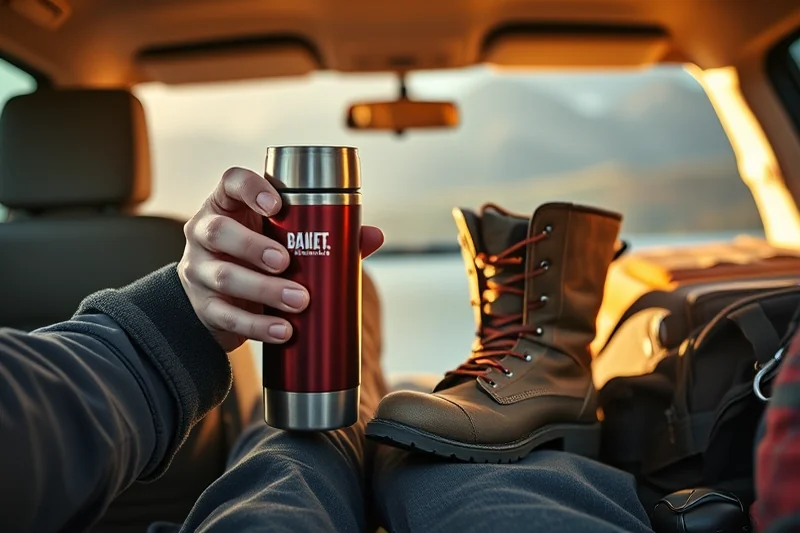
I used to think that folding clothes was the best way to save space, but after years of road trips, I’ve learned that rolling is the real winner. Rolling clothes not only makes them easier to stack and access, but it also prevents wrinkles that can ruin your outfit the day after a long drive.
This technique works especially well for T-shirts, jeans, and other casual wear. When I pack this way, I can fit more clothes into a smaller bag, and I don’t have to worry about my clothes looking crumpled when I get to my destination. It’s a small change, but it makes a huge difference in the overall experience.
I’ve also found that using packing cubes with a zipper makes it even easier to organize and roll. I keep all my clothes in one cube, and I can take them out in bulk if needed, without having to unpack everything.
Rolling clothes is the unsung hero of road-trip packing.
Related: Kid friendly summer vacations on a budget
Invest in Smart Storage
When I first started road tripping, I used to pack everything into one big duffel bag. It worked, but it was chaotic and stressful. Now, I use packing cubes to organize my items into separate sections—clothing, toiletries, and electronics. This makes it easier to find things quickly and keeps my belongings from getting mixed up.
Another game-changer for me was vacuum-sealed bags. I use them for items like socks, underwear, and small accessories, which take up very little space when compressed. It’s a small investment, but it pays off in the long run by keeping my luggage compact and manageable.
I also use a separate bag for all my toiletries and first-aid items. It’s a simple move, but it makes me feel prepared in case of an emergency, and it keeps my other items from getting messy if a bottle leaks.
Vacuum-sealed bags are perfect for storing small, bulky items like socks and underwear. They compress easily and save a surprising amount of space.
“The first time I packed for a road trip, I filled my car with so much stuff that I couldn’t even close the doors.”— Backseat Atlas editors
Related: Best family trips united states
Plan for the Weather
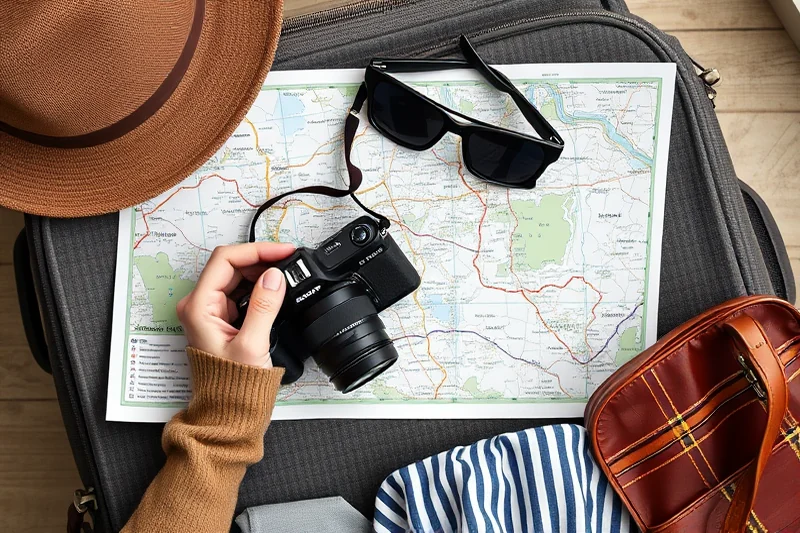
One of the biggest mistakes I made early on was not checking the weather forecast for the places I was visiting. I once packed only light clothes for a trip that turned into a snowstorm, and I was completely unprepared. Now, I always check the weather and pack accordingly, which has saved me more than once.
For example, if I know it’s going to rain, I’ll bring a lightweight jacket and a pair of waterproof shoes. If it’s going to be cold, I’ll pack layers and a hat. This approach not only keeps me comfortable, but it also prevents me from feeling like I’m carrying unnecessary items that I don’t actually need.
I also use a checklist that includes weather-related items like rain gear, extra socks, and a hat. It’s a small thing, but it makes a big difference in ensuring that I’m always prepared for the conditions I’ll face.
Related: Road trip essentials for kids reviews
The Power of Less
Over the years, I’ve discovered that packing with the philosophy of 'less is more' has made my road trips more enjoyable and less stressful. I used to bring everything I thought I might need, but now I focus only on the essentials. This approach allows me to move more freely and enjoy the journey instead of being bogged down by unnecessary items.
One of the best things about this philosophy is that it helps you become more aware of what you actually need. For example, I used to bring multiple pairs of shoes, but now I only bring one or two that are versatile enough to work for all situations. This has saved me space and made my packing process faster and more efficient.
I’ve also noticed that when I pack with the philosophy of less, I’m more likely to use the items I bring. I used to bring a lot of items that I never ended up using, but now I only bring what I truly need, and I’m more likely to use everything I have.
⭐ Classic
A timeless combination of nuts and chocolate, this variation is perfect for any road trip.
💰 Budget
Replace dark chocolate with semi-sweet chocolate to cut costs without sacrificing flavor.
⚡ Extra-Fast
Skip the oven and use a microwave to melt the chocolate for a quicker preparation time.
✨ Depth
Add a pinch of sea salt and a splash of vanilla extract for a more complex flavor profile.
🥗 Light
Use unsweetened almond butter instead of honey for a lighter, nutty flavor.
| The mistake | Why it happens | The fix |
|---|---|---|
| Packing too many clothes | Packing too many clothes can make your luggage heavy and difficult to manage. | Only bring essential clothing and use rolling techniques to save space. |
| Not checking the weather forecast | Not checking the weather can leave you unprepared for unexpected conditions. | Always check the forecast and pack accordingly with layers, rain gear, and other weather-specific items. |
| Bringing unnecessary items | Bringing unnecessary items can make your trip more stressful and take up valuable space. | Stick to the essentials and avoid bringing items you might not need. |
| Using one bag for everything | Using one bag for everything can lead to a cluttered and disorganized packing process. | Use multiple bags or packing cubes to organize your items and keep them easily accessible. |
Related: Acadia national park itineraries near me
Simple Road-trip Packing For Beginners
Related: Affordable national park trip
The Art of Layering for Comfort and Flexibility
Layering is key to staying comfortable during long drives and unpredictable weather changes. It allows you to adapt without carrying excessive items.
I learned the hard way that wearing a few versatile layers can make or break a road trip. One of my best lessons came from a 12-hour drive through the Southwest, where the temperature dropped 20 degrees between morning and evening. I had packed a light jacket, but it wasn’t enough. After that, I made it a rule to always pack a lightweight fleece, a moisture-wicking base layer, and a waterproof shell. These three items have been my go-to for every trip since, and they’ve saved me from the discomfort of being too cold or too sweaty.
Layering also reduces the need for multiple outfits. For example, I wear a long-sleeve shirt under a t-shirt, and then throw on a light sweater over it. This way, I can remove or add layers as needed, which is especially useful when driving through varying climates. I’ve tested this approach on trips from the Pacific Northwest to Arizona, and it’s always worked well. Plus, I’ve found that layering helps keep my clothes looking neater for longer, which is a small but meaningful perk.
When packing, I recommend thinking about the layers you’ll need for different parts of the day. For example, a base layer, a mid-layer for warmth, and an outer layer for protection. I carry a thin, packable down vest for colder nights and a breathable, quick-dry shirt for hotter days. This approach has cut down my packing list significantly while ensuring I never feel uncomfortable on the road. It’s a small change that makes a big difference in the overall experience of a road trip.
Common Questions
How do I know what to pack for a road trip?
What should I bring in case of an emergency?
Can I really pack for a long trip with just a few bags?
What if I forget something important?
References
- Model Packing List | Adventure WV | West Virginia University (adventurewv.wvu.edu)
- A Pediatrician's Family Vacation Packing Checklist: What You Need When ... (chop.edu)
- Traveling with Food - Home & Garden Information Center (hgic.clemson.edu)
- Great American Road Trip Expo | Summer Driving Tips | NHTSA (nhtsa.gov)
Cite this guide
Backseat Atlas (2026). Simple Road-trip Packing For Beginners. https://backseatatlas.com/simple-road-trip-packing-for-beginners/
Feel free to cite or share this guide.