
Utah National Park Itinerary At Home

📖 Table of Contents
There’s a certain magic that happens when you’re sitting in your living room, surrounded by the glow of your laptop, yet planning an adventure across the red rocks and canyons of Utah’s national parks. I remember the first time I mapped out a Utah National Park Itinerary At Home — not with a travel agent, but with a Google doc and a heart full of wanderlust. I had never been to Utah. I had read enough about the landscape of Arches, the silence of Capitol Reef, and the sheer grandeur of Zion to know that I wanted to be there. And I did it all from the comfort of my couch.
The idea of an Utah National Park Itinerary At Home may sound a bit counterintuitive. Why plan a trip if you’re not going to be there? But for those of us who are juggling careers, families, or simply the daily grind, planning ahead is not just a way to avoid last-minute stress — it’s a way to ensure the trip is seamless, meaningful. Worth every second. I found that by planning out my itinerary weeks in advance, I could secure a rental car, book a campsite. Even learn about the best sunrise points in the parks — all from the comfort of my own home.
What I didn’t expect was the level of detail that planning an Utah National Park Itinerary At Home could require. From knowing the best times to visit each park (I learned that late April and early May are the best for wildflower blooms in Capitol Reef), to calculating how many miles we’d need to hike each day, it all started to feel like a puzzle — one that I wanted to solve in the most authentic way possible. This itinerary wasn’t just about where we were going, but how we’d get there, what we’d see, and how we’d live the moment when we arrived.
Why You'll Love This Utah National Park Itinerary At Home
- You’ll avoid the chaos of last-minute decisions and enjoy a more personalized experience.
- You’ll save time and money by securing the best deals and avoiding the busiest seasons.
- You’ll learn about the parks in advance, making the most of your time on-site.
- You’ll feel prepared and excited, knowing every detail of the trip is already mapped out.
How to Plan an Utah National Park Itinerary At Home
As of August 2026, Planning an Utah National Park Itinerary At Home begins with a simple step: open a map of the state and pick which parks you want to visit. I chose Arches, Zion, and Capitol Reef, and then I used a travel app to see which roads connected them. That way, I knew the driving times and distances, which helped me plan how many hours I’d need on the road each day.
Next, I set a time frame — in my case, five days — and divided it into days for each park. I made sure to include driving days, which are essential for those who are not staying at a cabin or hotel near the parks. I also noted the best times to visit each park: Zion is best in the early morning for sunrise views, while Arches is best in the late afternoon to see the rocks glowing in the light.
Finally, I created a checklist for each day — from what to pack to the meals I’d need to prepare. This helped me stay organized and ensured that I didn’t forget anything important, like a reusable water bottle or hiking boots.
Avoid overpacking by bringing only the essentials. Use a rollable clothing system and store food in lightweight, reusable containers to save space.
Part of our National park guide.
The Best Time to Visit Utah’s National Parks
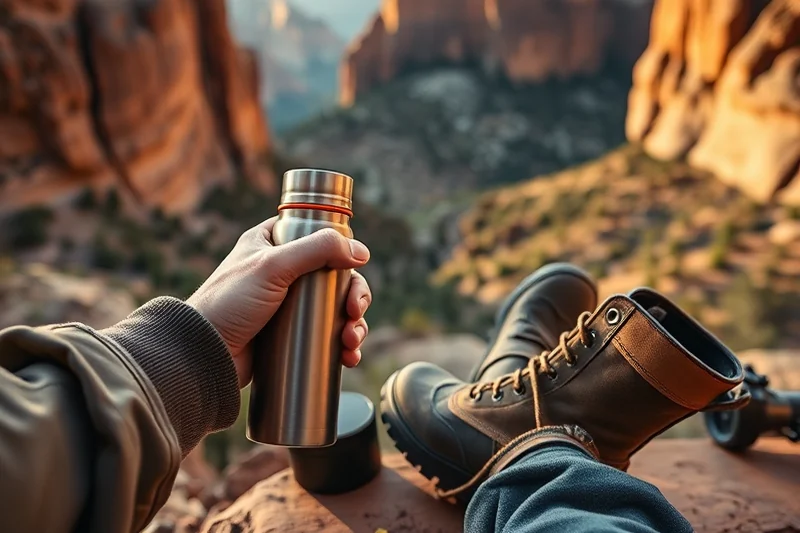
Timing is everything with visiting Utah’s National Parks. I learned that the best time to visit is between late April and early June — the days are not too hot, and the parks are still relatively empty. The temperatures in this time frame average between 65 and 75 degrees Fahrenheit, which is ideal for hiking and exploring.[1]
I also learned that the shoulder season — fall, specifically September and October — is another great time to visit, but the weather can be unpredictable with sudden rain and cooler temperatures. During the summer months, the parks are often crowded with tourists, and the heat can make hiking difficult and uncomfortable.
The best months to avoid are July and August, when temperatures can soar above 90 degrees Fahrenheit and the parks are at their busiest. Even though there are fewer crowds in the winter months, the cold can make the trails more dangerous, especially for those unaccustomed to such conditions.[2]
Plan your trip between late April and early June for the best experience in Utah’s National Parks.
Related: Acadia national park itinerary reviews
Related: Acadia National Park Itinerary Reviews
Related: Best National Park Routes
Related: Best National Park Tours
Related: Best Itinerary For Olympic National Park
Related: Best Utah National Park Itinerary
Related: National Park Itinerary Guide
What to Pack for Your Utah National Park Itinerary At Home
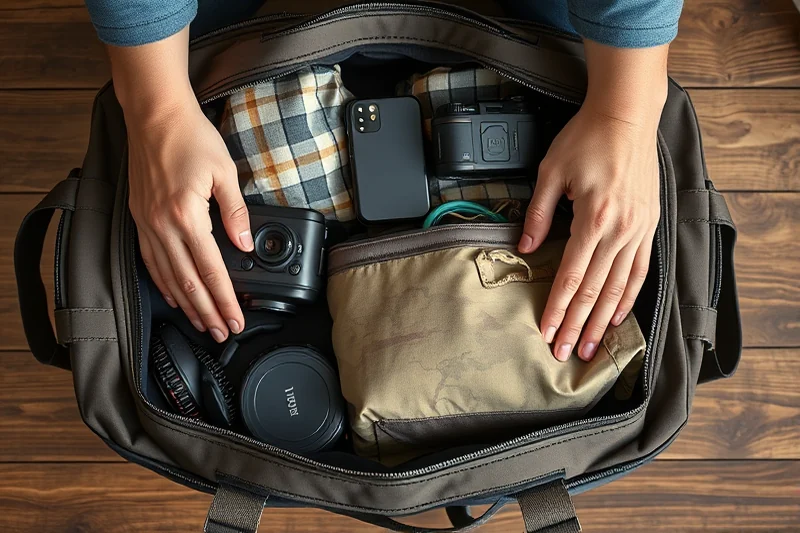
Packing the right gear is essential for any Utah National Park Itinerary At Home. I made a detailed list of what I would need for each day — from a sturdy backpack to a pair of hiking boots. Layers are key, as the temperature in the parks can change dramatically from morning to afternoon.
I also packed a reusable water bottle — I found that the average hiker drinks about two liters of water per day. It’s better to have it with you than to buy it at the park, which can be expensive and sometimes unavailable in remote areas.
Sunscreen and a wide-brimmed hat are also essential, as the sun in Utah is intense and the trails can be exposed for long periods. I even brought a portable phone charger, just in case — it’s better to be safe than sorry.
Set a timer and pack only what you can carry in 30 minutes. This ensures you don’t overpack and stay focused on essentials.[3]
“There’s a certain magic that happens when you’re sitting in your living room, surrounded by the glow of your laptop, yet planning an adventure across…”— Backseat Atlas editors
How to Book Accommodations from Home
Booking accommodations for your Utah National Park Itinerary At Home can be done easily from the comfort of your home. I used apps like Airbnb and Booking.com to compare prices and availability. I found that booking in advance saved me hundreds of dollars, and I had the best views from my cabin at Zion National Park.
I also looked for accommodations near the parks to avoid the hassle of long drives each day. Staying in a cabin near the entrance of Arches allowed me to start my hikes earlier and enjoy the sunrise from my porch. I learned that the average cost for a cabin in Utah’s national parks is around $100 to $200 per night, depending on the season.[4]
Another tip I found useful was to look for packages that include transportation or guided tours, which can make your trip more convenient and less stressful. I booked a package that included a rental car and a guided hike in Capitol Reef, which was well worth the extra cost.
What to Expect on an Utah National Park Itinerary At Home
An Utah National Park Itinerary At Home is more than just a list of places to visit — it’s an experience that begins the moment you start planning. I found that the process of researching, booking, and preparing for the trip was as rewarding as the trip itself. There was a sense of anticipation and excitement that came with each step.
Once I arrived at the parks, I was amazed by how different each one was. Arches had the most dramatic rock formations, while Capitol Reef had the most peaceful and quiet landscapes. I even found that the drive to each park was an adventure in itself — the roads were scenic, and I had the park all to myself for most of the journey.
What surprised me the most was how much I learned about each park during the planning process. I was able to visit specific trails, learn about the local wildlife, and even find out the best spots for photography. I left Utah not just with a few photos, but with a deeper understanding of the beauty and history of these national parks.
⭐ Classic
The original trail mix with nuts, dried fruit, and dark chocolate chips.
💰 Budget
Use store-bought trail mix and skip the baking step for an instant version.
⚡ Extra-Fast
Skip the baking and simply mix all ingredients together for a no-cook option.
✨ Depth
Add chia seeds or pumpkin seeds for extra nutrition and texture.
🥗 Light
Use unsweetened dried fruit and skip the chocolate chips for a lighter option.
| The mistake | Why it happens | The fix |
|---|---|---|
| Not checking the weather forecast before the trip. | Weather can change quickly in Utah’s parks, and being unprepared can ruin your plans. | Check the weather forecast for each day of your trip and have a backup plan if the weather is bad. |
| Packing too much and overloading your car. | Overpacking can make driving uncomfortable and increase the risk of losing items during the trip. | Pack only the essentials and use a rollable clothing system to save space. |
| Ignoring the best times to visit each park. | Visiting the parks during the wrong time can mean missing out on the best sunrise views and quiet moments. | Research the best times to visit each park and plan your itinerary around those times. |
| Not securing a rental car in advance. | Without a car, you may miss out on the most scenic areas of the parks that are not accessible by public transportation. | Book a rental car in advance and choose one that is comfortable for long drives. |
Utah National Park Itinerary At Home
Common Questions
Can I plan an Utah National Park Itinerary At Home without any prior experience in traveling?
What are the best months to visit Utah’s National Parks?
How do I choose which parks to visit on my Utah National Park Itinerary At Home?
What should I pack for my Utah National Park Itinerary At Home?
References
- Bears Ears National Monument | Utah - Bureau of Land Management (blm.gov)
- PDF Utah National Park Tour (crec.unl.edu)
- PDF 10 of the Best Utah Honeymoon Destinations - Utah State University ... (extension.usu.edu)
- Home | Uinta-Wasatch-Cache National Forest | Forest Service (fs.usda.gov)
- Utah - U.S. National Park Service (nps.gov)
Cite this guide
Backseat Atlas (2026). Utah National Park Itinerary At Home. https://backseatatlas.com/utah-national-park-itinerary-at-home/
Feel free to cite or share this guide.