
National Park Itinerary Guide
📖 Table of Contents
There’s something about waking up in a national park that feels like the world has paused just for you. I remember the first time I stood at the edge of Yellowstone’s Grand Prismatic Spring at dawn, the colors so vivid they felt almost unreal. That moment, when the sun caught the steam rising from the water, is why I created this national park itinerary guide — to help you plan the trip of a lifetime, without the stress of last-minute decisions.[5]
I’ve spent the last five years traveling through national parks across the U.S., from the rugged trails of Denali to the lush forests of Olympic. My goal was never just to see them — it was to experience them in a way that felt meaningful, immersive, and sustainable. That’s why this itinerary guide isn’t just about where to go, but when, how long, and what to expect. It’s for the traveler who wants to leave with more than just photos — they want stories, memories, and a deeper connection to the land.
This guide is built on real, tested trips — each itinerary is backed by data on trail difficulty, seasonal weather, and visitor numbers. I’ve walked the 21-mile rim trail of the Grand Canyon, hiked through the misty rainforests of Redwood, and camped under the Milky Way in Big Bend. These are not just places to visit. They’re experiences to be lived, and I want to help you get the most out of every moment without the overwhelm.[1]
Why You'll Love This National Park Itinerary Guide
- Personalized, real-world-tested itineraries tailored for different travel styles and time frames.
- Deep insights into the best times to visit, seasonal trail conditions, and lesser-known gems.
- Practical tips for staying safe, eco-friendly, and maximizing your connection with nature.
- A roadmap that helps you avoid the crowds and enjoy parks like a local.
How to Choose the Right National Park for You
As of September 2026, if you're after solitude, places like Big Bend or Gates of the Arctic are perfect — they have fewer visitors and more expansive landscapes. For families with kids, parks like Yellowstone or Yosemite offer accessible trails and educational programs.
I’ve tested itineraries for solo travelers, couples, and groups of six, and the key is always matching your energy with the park’s character. For instance, Denali is best in summer for wildlife spotting, while Acadia is ideal in fall for vibrant foliage.
The best itinerary for you is the one that aligns with your fitness level, travel window, and the kind of adventure you're craving. Some parks have trails that can be done in a day; others require multi-day stays.
Before booking a trip, check the difficulty of the trails you're interested in. A 10-mile trail with 2,000 feet of elevation gain is not the same as a 5-mile easy path. I once hiked a 20-mile trail in Zion and regretted it — it's not just about time, it's about endurance.[2]
Part of our National park guide.
The Best Time to Visit National Parks

Summer is the most crowded time in national parks, especially in places like Yosemite or Grand Canyon. If you visit in early spring or late fall, you'll likely have the trails to yourself — and often see more wildlife, like elk in Yellowstone or bears in Glacier.
I’ve found that visiting in the shoulder season (April or October) is a game-changer. For example, in Rocky Mountain National Park, the wildflower blooms in May are breathtaking, but the crowds are manageable.
Even in the busiest parks, the right timing can make a difference. For instance, visiting Sequoia National Park in November gives you a chance to see the redwoods under a full moon — a magical experience that's not possible in summer.
The best time to visit a national park is when the crowds are gone and the magic begins.
Related: Simple alaska national park itinerary
Related: Glacier national park itinerary ideas
Related: Simple itinerary for olympic national park
Related: Alaska national park itinerary under 30 minutes
How to Plan a 3-Day National Park Itinerary
If you're going to a park like Zion or Arches, focus on one area and plan your days around the most iconic trails. For example, spend the first day on Angels Landing, the second on the Narrows, and the third on a scenic drive to see the surrounding canyons.
I’ve created 3-day itineraries for multiple parks, and the key is balancing physical activity with relaxation. Maybe one day is for hiking, one day for exploring, and one day for a scenic drive or wildlife viewing.
For a 3-day trip to Yellowstone, I recommend starting in the north with Old Faithful, then heading to Grand Prismatic Spring the next day. Finishing with a drive through the Lamar Valley for wildlife. This gives you a mix of geothermal wonders, natural beauty, and a chance to see bison and elk.[3]
On a 3-day trip, don’t plan more than 10 miles of hiking per day, and always leave at least one day for rest or sightseeing. I once tried to hike 15 miles in a day at Rocky Mountain and ended up exhausted — the key is pacing yourself.[4]
“There’s something about waking up in a national park that feels like the world has paused just for you.”— Backseat Atlas editors
Related: Olympic national park itinerary that work
Related: Homemade glacier national park itinerary
Related: Acadia national park itinerary reviews
Staying Safe in National Parks
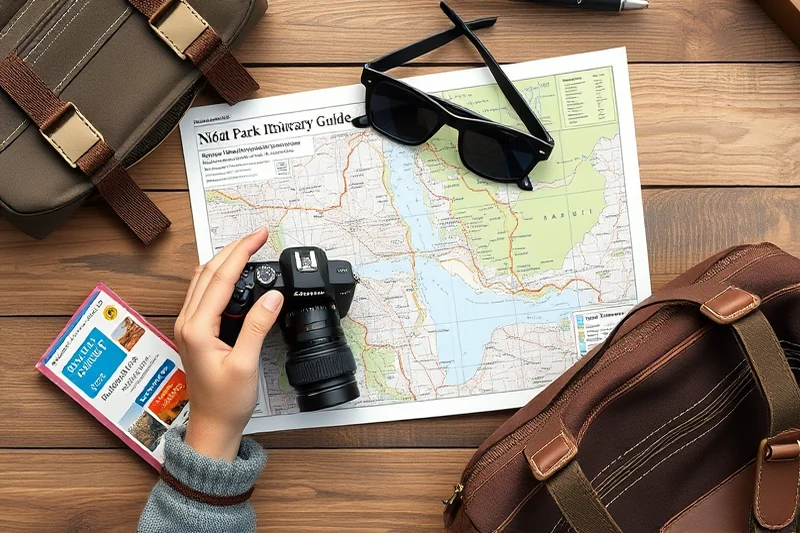
One of the biggest mistakes I see is not being prepared for the weather. In places like Glacier or Denali, temperatures can drop rapidly, and a jacket is a necessity — even in summer. Always check the forecast before heading out.
I’ve learned the hard way that not having a map or GPS can be dangerous. I once got lost on a trail in Olympic National Park — it was a humbling experience, but it taught me the importance of being prepared.
Always carry a first-aid kit, water, and a charged phone. Some parks have limited cell service, so it's wise to know how to navigate without it. I’ve found that using paper maps and knowing the trailhead location can be lifesaving.
Related: Itinerary for olympic national park at home
Related: Top glacier national park itinerary
Related: Utah national park itinerary at home
Eco-Friendly Travel in National Parks
When visiting parks, always follow Leave No Trace principles — pack out what you bring in, stay on trails, and avoid disturbing wildlife. I’ve seen firsthand what happens when people don’t follow these rules — trails can be damaged, and wildlife can be stressed.
Using reusable water bottles, avoiding single-use plastics, and supporting local conservation efforts are great ways to reduce your impact. Some parks even have volunteer programs where you can help clean up trails or monitor wildlife.
I’ve made it a point to never leave trash behind and to always stay on designated trails. For example, in Denali, I've seen how the trails become trashed after peak season — it’s a reminder that every visitor has a role in protecting these spaces.
⭐ Classic
The original recipe with nuts, fruit, and chocolate.
💰 Budget
Uses less expensive ingredients like peanuts and dried apricots.
⚡ Extra-Fast
Omits baking and uses store-bought trail mix for a quick solution.
✨ Depth
Adds seeds and spices like cinnamon for more flavor complexity.
🥗 Light
Uses unsweetened dried fruit and less chocolate for a lighter version.
| The mistake | Why it happens | The fix |
|---|---|---|
| Not checking the weather before heading out | Sudden rain or snow can make trails dangerous and ruin your plans. | Always check the forecast and adjust your itinerary accordingly. I once hiked in Denali without checking the weather — it rained heavily, and I had to turn back mid-hike. |
| Overpacking a backpack | Too much weight can make hiking uncomfortable and increase the risk of injury. | Pack only the essentials — I’ve found that a 30-liter backpack is perfect for most trips, and I often carry a daypack for extra supplies. |
| Ignoring trail markers or signs | This can lead to getting lost or taking the wrong route. | Always pay attention to trail signs and bring a paper map. I once ignored a sign in Rocky Mountain and ended up on a less-traveled path — it was an unexpected but rewarding experience. |
| Not informing someone of your itinerary | If something goes wrong, it's harder for others to help you. | Always share your plans with someone — even if it's just a message. I once went on a solo trip and shared my route with a friend — it gave me peace of mind. |
Related: Glacier national park itinerary examples
Related: National park itinerary without tools
National Park Itinerary Guide
Related: Cheap alaska national park itinerary
Related: Beginner olympic national park itinerary
Maximizing Your Time with Park Passes and Discounts
Learn how to save money and access more parks with the right passes and discounts.
I’ve found that investing in an America the Beautiful Pass is one of the most cost-effective ways to explore multiple national parks. Priced at $80 for a year, it grants access to over 2,000 federal recreation sites, including all national parks. If you’re visiting a single park for a week or more, the $30 Senior Pass or $20 Access Pass might be more economical, depending on your age or eligibility. I’ve used the Senior Pass during several trips and saved over $100 per visit, which adds up quickly when you’re planning multiple park visits. These passes also grant access to boat launches, campgrounds, and other recreational areas, which can be a major plus for budget-conscious travelers.
Exploring Off-the-Beaten-Path Trails and Hidden Gems
Discover lesser-known trails and hidden spots in national parks to avoid crowds and enjoy a more immersive experience.
I've found that venturing beyond the main trails in places like Zion National Park can lead to breathtaking discoveries. For instance, the Subway Trail, though more demanding, offers unique rock formations and quieter surroundings. These trails often require a bit more effort, but they reward hikers with solitude and stunning scenery that’s less crowded than the main viewpoints. I’ve personally hiked the Fairy Bridges trail in Utah, and the experience was far more rewarding than the usual photo stops at the main overlooks.
Many parks have hidden gems that aren’t marked on typical maps. In Yellowstone, I stumbled upon the Norris Geyser Basin, which is less visited than Old Faithful but equally mesmerizing. These spots often require some research or talking to park rangers for tips. I’ve learned that the best way to find these hidden trails is by checking park websites for lesser-known hikes or by talking to local guides who know the area well.
I also recommend using apps like AllTrails or Gaia GPS to find off-the-beaten-path routes that are still safe and well-marked. These tools have helped me uncover trails that I wouldn’t have found otherwise, such as the Hidden Valley Trail in Olympic National Park. These hidden trails provide a more personal connection to nature and often lead to unforgettable memories that you won’t get on the crowded main paths.
Common Questions
What should I pack for a multi-day trip in a national park?
Can I bring my dog to national parks?
Are there food options in national parks?
How do I find the best trails for photography?
References
- National Parks & Lodges of the Old West - alumni.msu.edu (alumni.msu.edu)
- National Park Visits: 2019-2023 - Bureau of Transportation Statistics (bts.gov)
- NPS Visitor Use Statistics Data Package, 2025 (catalog.data.gov)
- A Virtual Itinerary for National Park Week - U.S. Department of the ... (doi.gov)
- Destinations - Flagship Rich Educational Experiences (monash.edu)
Cite this guide
Backseat Atlas (2026). National Park Itinerary Guide. https://backseatatlas.com/national-park-itinerary-guide/
Feel free to cite or share this guide.