
Planning A Trip For Beginners
📖 Table of Contents
- Start with a clear goal — and be flexible
- Choose a destination that fits your needs — and your budget
- Set a realistic budget — and stick to it
- Book flights and accommodations wisely — but don’t lock yourself in too early
- Plan your itinerary — but leave room for spontaneity
- Pack smart — and avoid the pitfalls of overpacking
- Stay safe and be prepared — it’s part of the journey
- Make It Your Way
- Frequently Asked Questions
I remember the first time I tried to plan a trip. I stared at a map for hours, unsure of where to go or how to start. The idea of figuring out flights, accommodations, and activities felt overwhelming. But after my first solo trip to Lisbon, I realized that planning a trip for beginners is more manageable than I ever imagined — especially when you take it one step at a time.
Now, I plan trips for myself and others, and I know that the key to a great journey is preparation, not perfection. You don’t need to be a travel expert to have a fantastic trip. What you do need is a clear plan, realistic expectations, and a little bit of flexibility. I’ve learned that the best trips are the ones where you’re not constantly stressing about the details, but instead, you’re enjoying the moment.[1]
Planning a trip for beginners doesn’t mean you have to compromise on quality or experiences. It simply means you’re using the right tools, setting realistic goals, and staying open to unexpected adventures. Whether you’re going for a weekend escape or a month-long journey, this article will give you the confidence and knowledge to make it happen — without the overwhelm.
Why You'll Love This Guide
- You’ll avoid common beginner mistakes and have a realistic roadmap.
- You’ll learn to balance flexibility with preparation.
- You’ll understand how to find affordable yet high-quality experiences.
- You’ll feel confident in making travel decisions, even as a beginner.
Start with a clear goal — and be flexible
As of September 2026, before you start researching, ask yourself: Why am I going? Are you looking for adventure, relaxation, culture, or a mix of all three? Having a clear goal will help you narrow down your choices and avoid feeling lost in the decision-making process. I once tried to plan a trip without a goal and ended up choosing a destination that didn’t match my interests, which made the entire trip feel less fulfilling.
At the same time, it’s important to be flexible. I learned this the hard way during a trip to Barcelona when I booked everything in advance, only to find that the local festivals had changed my itinerary. I was frustrated at first, but I quickly adapted and ended up discovering hidden spots that I wouldn’t have found otherwise.
The key is to balance a clear goal with the freedom to explore. If you’re planning a trip for beginners, this balance will help you avoid over-planning and enjoy the unexpected moments that make travel so special.
This keeps you focused and helps you avoid distractions during the planning process.
Part of our Road trip guide.
Choose a destination that fits your needs — and your budget
Choosing the right destination is the foundation of your trip. If you’re planning a trip for beginners, it’s best to pick a place that’s easy to get to, has good transportation, and offers a variety of affordable options. I once went to a remote mountain town without checking for transportation options and ended up spending twice as much on taxis as I had budgeted.
Consider factors like seasonality, cost of living, and language barriers. For example, I found that traveling in Southeast Asia during the shoulder season was significantly cheaper than during peak months. It also allowed me to experience the destination without the crowds.
Your budget should also be a key factor. I always set a realistic daily spending limit and track my expenses in a notebook or app. This helps you stay within your means without sacrificing the experiences you want to have.
Travel where you want to be — not where you think you should be.
Related: Where to travel in november
Set a realistic budget — and stick to it
Budgeting is one of the most overlooked aspects of planning a trip for beginners, yet it’s one of the most important. I learned this the hard way when I ignored my budget and ended up with a credit card full of debt after my first trip abroad. I now use a budgeting app to track every expense, from flights to accommodation to meals.
Start by estimating your total costs, including flights, lodging, meals, transportation, and activities. A good rule of thumb is to set aside at least $70–$100 per day for basic expenses, depending on the destination. I once traveled in South America on a $70/day budget and still managed to enjoy meals at local eateries and visit museums for free.[2]
By setting a realistic budget, you’ll avoid overspending and enjoy your trip without the stress of financial strain. It’s a simple step that makes all the difference.
Use a budgeting app or a simple notebook to stay on top of your expenses and avoid overspending.
“I remember the first time I tried to plan a trip.”— Backseat Atlas editors
Related: What is joe s college road trip about
Book flights and accommodations wisely — but don’t lock yourself in too early
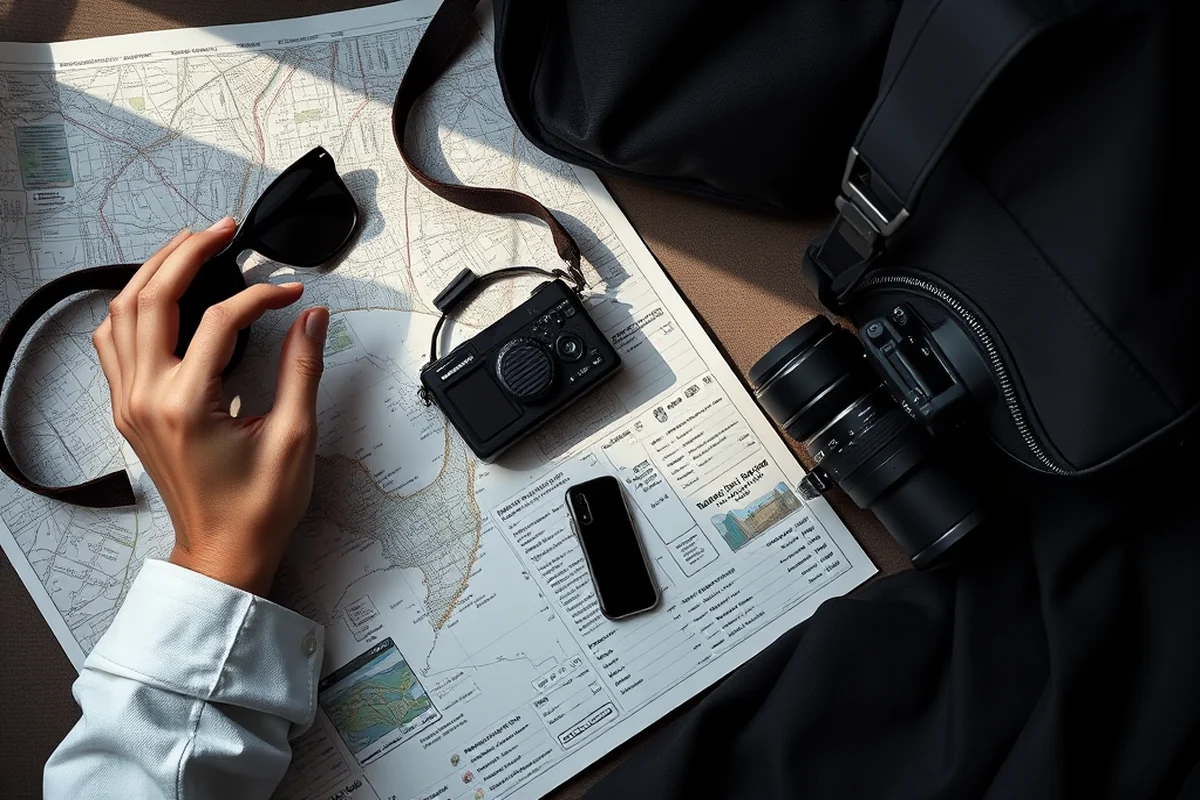
Booking flights and accommodations is one of the most important steps in planning a trip for beginners. I learned from experience that booking too early can lead to higher prices, while booking too late can result in limited options. The sweet spot is usually two to three months in advance for most destinations.
I use a mix of apps and websites to compare prices and find the best deals. I once booked a flight using a budget airline and ended up saving over $200 compared to booking through a traditional airline. It’s important to read reviews, check cancellation policies, and compare prices across different platforms.[3]
For accommodations, I always look for places that offer free breakfast, good reviews, and central locations. I once stayed at a boutique hotel in Prague that was 30% cheaper than a major chain hotel, and it was just as comfortable.[4]
Related: Road trip scavenger hunt kids
Plan your itinerary — but leave room for spontaneity
An itinerary is a helpful tool for beginner travelers, but it shouldn’t feel like a rigid schedule. I once followed a strict itinerary on a trip to Japan and ended up missing out on some of the best experiences because I was too focused on ticking off landmarks. The real magic often happens when you allow yourself to wander.
I now plan my trips with a general outline of what I want to see or do each day, but I leave room for changes. For example, I’ll plan to visit a specific museum in the morning, but if I find a local market or festival that interests me, I’ll adjust my plans for the afternoon.
This approach helps you avoid burnout and ensures that you have time to enjoy the destination on your own terms. It’s a great way to stay engaged with your surroundings and make the most of your trip.
Related: Oregon coast road trip
Pack smart — and avoid the pitfalls of overpacking
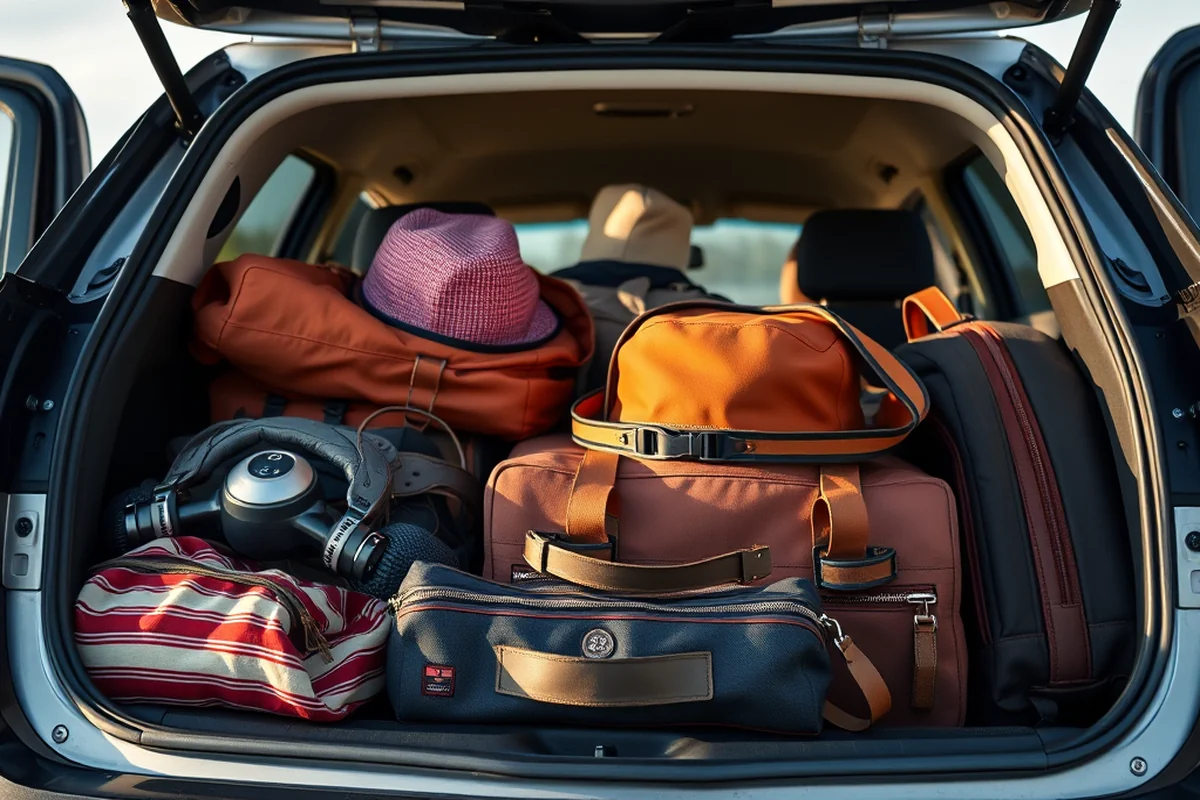
Packing is an essential part of planning a trip for beginners, and it’s easy to overcomplicate it. I once packed so many clothes and gadgets that my suitcase was heavier than I expected, and I ended up paying extra for overweight luggage. It was a lesson I won’t forget.
I now use a travel checklist and pack only the essentials. A good rule of thumb is to pack one outfit per day, plus a few extra clothes for unexpected weather changes. I always pack a reusable water bottle, a universal adapter, and travel-sized toiletries.
Another tip is to roll your clothes instead of folding them — this saves space and helps your clothes stay wrinkle-free. I’ve found that this simple trick has made my travel experience more comfortable and less stressful.
Travel light, and you’ll travel far.
Related: Day trips from paris
Stay safe and be prepared — it’s part of the journey
Safety is an important consideration for anyone planning a trip, especially for beginners. I once traveled to a country without checking the local customs and ended up in an awkward situation because I didn’t know how to behave in certain places. It was a minor inconvenience, but it could have been avoided with more preparation.
Before your trip, research the destination’s safety guidelines, health advisories, and local laws. I always carry a small first-aid kit, a copy of my passport, and emergency contact information. I also use a travel insurance app that helps me find assistance if needed.
Preparation can make all the difference. I’ve found that the best travelers are the ones who take the time to research, plan, and stay informed. It’s part of the journey and helps you enjoy your trip with more confidence.
💰 Budget Travel
Travel on a tight budget with affordable accommodations, free activities, and efficient transportation.
🗓️ Long Weekend Getaway
Escape for a few days with a mix of relaxation and adventure, perfect for short trips and first-time travelers.
👨👩👧👦 Travel with Kids
Create a family-friendly itinerary with kid-approved activities, easy accommodations, and flexible plans.
🍂 Off-Season Travel
Experience destinations at their most affordable with fewer crowds and lower prices.
💎 Luxury Travel
Indulge in high-end accommodations, exclusive experiences, and personalized services for a lavish trip.
| The mistake | Why it happens | The fix |
|---|---|---|
| Booking everything in advance without checking for changes | This can lead to unexpected disruptions, like festivals or construction that alter your plans. | Leave some flexibility in your itinerary and check for local events or updates before finalizing your plans. |
| Ignoring the local currency and exchange rates | This can lead to overspending and financial surprises. | Use a currency converter app and withdraw local currency in advance to avoid high fees at airports. |
| Not researching the destination's safety and customs | This can lead to uncomfortable or even dangerous situations. | Research local laws, customs, and safety guidelines before your trip. Use a travel app to stay informed. |
| Overpacking and not preparing for the weather | This can make your trip uncomfortable and result in additional costs for overweight luggage. | Pack only the essentials and check the weather forecast for your destination. Use a travel checklist to stay organized. |
Planning A Trip For Beginners
Common Questions
How do I choose the right destination for my first trip?
What should I pack for my first trip?
How can I stay within my budget while traveling?
What should I do if I get lost in a foreign city?
References
Cite this guide
Backseat Atlas (2026). Planning A Trip For Beginners. https://backseatatlas.com/planning-a-trip-for-beginners/
Feel free to cite or share this guide.