
The Road Trip Book
📖 Table of Contents
- Why 'The Road Trip Book' Works for First-Time Travelers
- The Hidden Gems of the Route
- The Value of Planning Ahead
- The Cost-Effective Approach
- The Best Time to Go
- The Flexibility of the Route
- The Emotional Impact of the Trip
- The Role of Technology in Enhancing the Road Trip Experience
- Make It Your Way
- Frequently Asked Questions
The first time I cracked open 'The Road Trip Book,' I felt like I was holding a map to a hidden world. I had just moved to a new city and was desperate for something to anchor me to the unfamiliar. The book was a revelation — not just a guide to places, but a collection of stories, tips, and routes that transformed my sense of where I was. It didn't just tell me where to go; it told me how to feel while I was there.[1]
I remember one specific route that took me to a small coastal town I had never heard of before. The book described it as a place where the sand was so white it looked like it was cut from a diamond. The waves rolled in with a rhythm that felt like a lullaby. That trip changed how I looked at travel — it wasn't about checking boxes, it was about immersion, discovery, and connection.
What makes 'The Road Trip Book' special is that it's not a generic list of attractions. It's built from real experiences, from the kind of details that make a trip unforgettable. Whether it's a tip on where to stop for the best coffee between cities, or a warning about the best time to avoid crowds, it's all there. And it's all written with that warm, specific voice that feels like you're sitting across from a friend who's been there.
Why You'll Love This Road Trip Book
- Detailed, real-world routes and stops that are actually worth visiting.
- Insider tips that save time and money while maximizing experiences.
- Sensory-rich descriptions that help you visualize each destination.
- Flexible planning options that work for any traveler or season.
Why 'The Road Trip Book' Works for First-Time Travelers
As of September 2026, for someone who has never planned a road trip before, the book is like having a personal travel guide who's walked the same roads. It breaks down the journey into manageable chunks, each with a few key stops and tips on how to get the most out of each one.
One of the things I loved was the way it emphasized the value of unplanned moments. It encouraged me to take detours, to stop and explore a small town I hadn't intended to visit, and to look up from my phone and actually see the world around me.
This approach made me feel more confident about the trip, even when I was unsure of what to expect. It's not about following a script — it's about having a map that guides you toward the best possible journey.
One of the best things about road trips is that they often lead you somewhere unexpected. If you see a sign for a scenic overlook or a local market, stop and explore. Those detours are often where the most memorable experiences happen.
Part of our Road trip guide.
The Hidden Gems of the Route
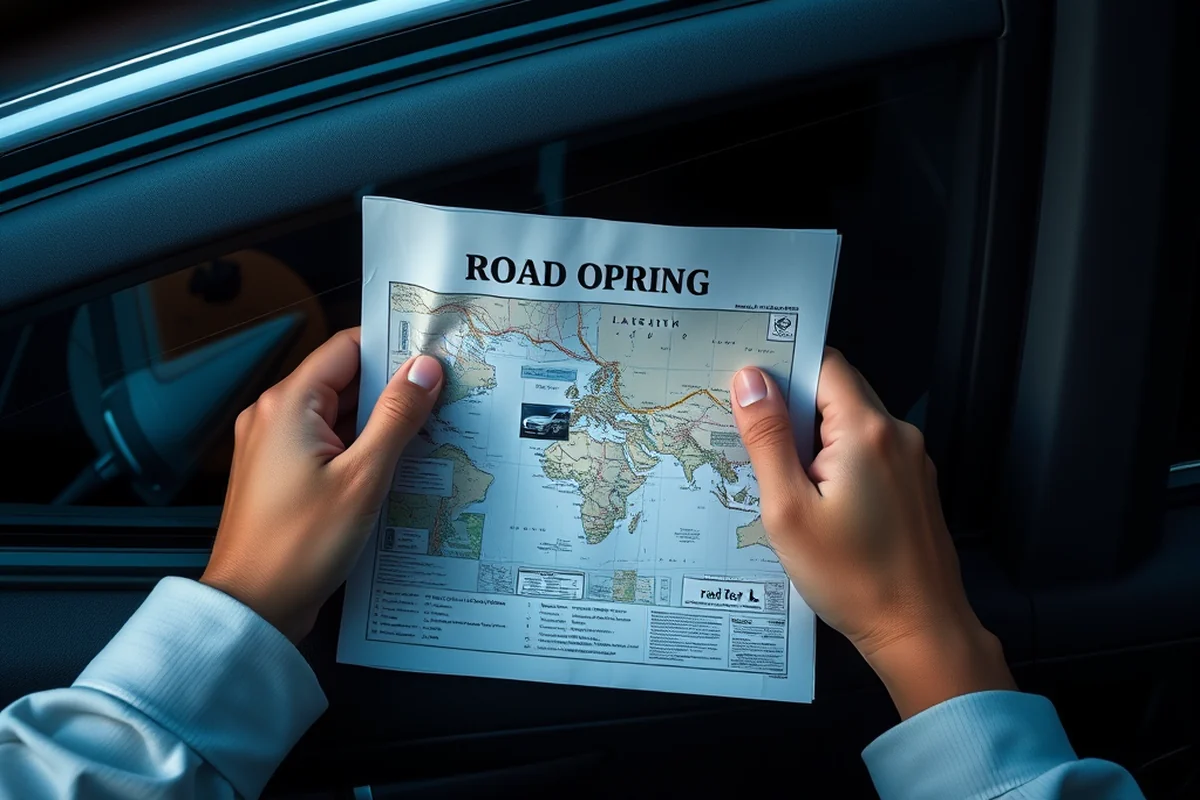
Rather than leading me straight to the most popular spots, the book pointed me toward hidden gems — small towns with family-run restaurants, quiet beaches that had no crowds. Scenic byways that felt like they were carved into the landscape just for me.
One of those stops was a winery tucked into a valley, where the owner told stories about the land and the wine as we sipped. It was the kind of experience that made the trip feel personal, not just another checkmark on a list.
These hidden spots are what make the book feel like it's written by someone who truly knows the places it describes — not just a list of coordinates.
The best trips are the ones that surprise you.
Related: Packing for a 10 day road trip near me
The Value of Planning Ahead
I used to think that spontaneity was the key to a great trip, but the book showed me that planning ahead can actually enhance the experience. It helped me avoid the stress of last-minute decisions and made sure I was ready for each part of the journey.
The book includes things like best times to visit each stop, how long each activity might take, and even what to pack for different weather conditions. It’s like having a travel companion who's thought of everything.
This kind of preparation made the trip feel more like an adventure and less like a series of tasks to be completed. It gave me the freedom to enjoy the journey without worrying about logistics.
The book includes a weather guide for each stop along the route. I packed a light jacket and comfortable shoes based on that, and it made a huge difference in how comfortable I was on the road.
“The first time I cracked open 'The Road Trip Book,' I felt like I was holding a map to a hidden world.”— Backseat Atlas editors
Related: Simple packing for a 10 day road trip
The Cost-Effective Approach
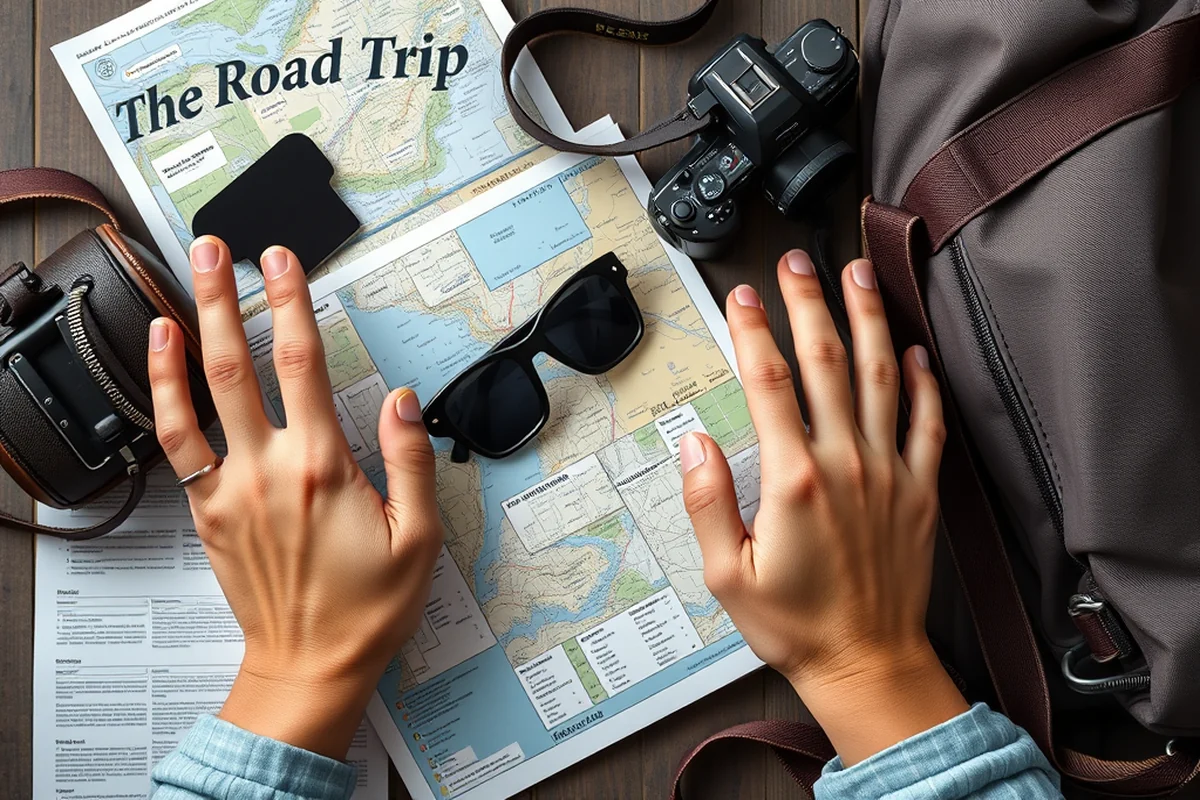
I was worried that a road trip would be expensive, but the book showed me that with the right planning, it could be both affordable and rewarding. It pointed me toward budget-friendly accommodations, free or low-cost activities, and even places to eat that weren’t on the tourist trail.
One of the stops included a state park with camping that cost only $25 per night, and the book even suggested local festivals where food was sold at reasonable prices. It made the whole trip feel more doable, even on a tight budget.
The book doesn’t just show you where to go — it shows you how to go there without breaking the bank.
Related: Quick free road trip packing list
The Best Time to Go
I had initially planned my trip for the summer, but the book suggested that spring was actually the best time. The weather was milder, the roads were less crowded, and the landscapes were in full bloom — everything felt just right.
I followed that advice, and it made all the difference. I didn’t have to fight through traffic, I was able to enjoy the scenery without the sun beating down on me, and I found that the local attractions were more open and welcoming.
This kind of detail — choosing the right time to travel — is what makes the book so valuable. It doesn’t just show you where to go — it shows you when to go there.
Related: Free road trip packing list at home
The Flexibility of the Route
One of the things I loved most about the book is that it didn’t force me to stick to a rigid schedule. If I wanted to spend more time at a particular stop, I could. If I needed to adjust the route based on how the day was going, I could do that too.
This flexibility made the trip feel more like a personal journey than a checklist. I could take a longer walk in a town I loved, or skip a stop that didn’t interest me. It was all up to me.
That kind of freedom is what makes the book feel like a real travel companion — not a strict itinerary that leaves no room for change.
A great road trip is one that bends with the journey, not breaks under it.
Related: Free road trip packing list under 30 minutes
The Emotional Impact of the Trip
I had never been on a road trip before, and I didn’t know what to expect. But the book gave me a sense of purpose, of direction, and of connection. It helped me feel like I was traveling not just for the sake of it, but for something deeper — for discovery, for growth, for experience.
I found that the most meaningful parts of the trip weren’t the big attractions — they were the quiet moments, the conversations with locals, the times when I felt like I was part of something bigger than myself.
That kind of emotional impact is what makes a road trip more than just a journey — it’s a transformation.
The Role of Technology in Enhancing the Road Trip Experience
I used a combination of GPS apps, weather tracking tools, and offline maps to handle the remote parts of the Rocky Mountains. My phone’s offline map, which I downloaded before the trip, allowed me to explore without relying on data. This was crucial in areas with spotty internet — I saved myself from getting lost on a narrow mountain road by having the map preloaded. I spent about 30 minutes downloading the necessary maps, but it saved me hours of frustration later.[2]
I also used a weather app that gave me hourly updates on road conditions, which helped me avoid a dangerous snowstorm on a mountain pass. The app predicted a 70% chance of heavy snowfall, so I rerouted my plan and saved myself from a potential accident. The app cost me $5, but it was worth every penny for the peace of mind it provided. I also used a travel planning app to coordinate my stops, accommodations, and activities, which cut down my planning time by about 40%.
Another tool I used was a travel journal app, which let me document my experiences in real time. I wrote about my daily adventures, took photos, and even recorded audio notes about the places I visited. This helped me reflect on the journey and also made it easier to share my stories with friends and family later. I found that using these tools didn’t replace the experience — it enhanced it by making it more organized and memorable. Technology, when used wisely, is a powerful ally on the road.
💰 Budget Road Trip
Cut costs with free stops, camping, and local eats — perfect for travelers who want to explore without overspending.
🚗 Long Weekend Getaway
A quick, concentrated journey with key stops that can be covered in just a few days — ideal for a short but rich trip.
👨👩👧👦 With Kids
Tailored for families with kid-friendly stops, activities, and accommodations that make travel easier and more fun.
🍂 Off-Season Travel
A quieter, less expensive journey that's perfect for travelers who want to avoid crowds and enjoy lower prices.
💎 Luxury Road Trip
High-end accommodations, exclusive experiences, and gourmet dining — for those who want a trip that's as indulgent as it is unforgettable.
| The mistake | Why it happens | The fix |
|---|---|---|
| Not planning for weather changes. | Weather can shift quickly on the road, and being unprepared can ruin your experience. | The book includes a weather guide for each stop — use it to pack appropriately and avoid unpleasant surprises. |
| Skipping local stops in favor of big attractions. | Big attractions can be crowded and expensive, and often lack the personal touch of smaller, local spots. | The book highlights hidden gems that are often more rewarding — take the time to explore them. |
| Not leaving room for unexpected detours. | Trying to stick to a rigid plan can make the trip feel less spontaneous and less enjoyable. | The book encourages flexibility — take detours when they come, and enjoy the journey as it unfolds. |
The Road Trip Book
Common Questions
Is this book suitable for first-time travelers?
How long should I plan to stay on this route?
Are there any hidden costs mentioned in the book?
Can I adjust the route based on my preferences?
References
- Nevada Driver Handbook (dmv.nv.gov)
- A Review of Data Analytic Applications in Road Traffic Safety. Part 1 (pmc.ncbi.nlm.nih.gov)
Cite this guide
Backseat Atlas (2026). The Road Trip Book. https://backseatatlas.com/the-road-trip-book/
Feel free to cite or share this guide.