
Seattle Metro Trip Planner
📖 Table of Contents
- Getting Started with the Seattle Metro
- The Best Stops for a Seattle Metro Trip Planner
- Packing for a Seamless Seattle Metro Trip
- Dining on the Metro
- The Best Time to Use the Metro
- Avoiding Common Metro Mistakes
- Seattle Metro Trip Planner Tips for First-Time Travelers
- Make It Your Way
- Frequently Asked Questions
The first time I boarded the Seattle Metro, I was struck by the quiet efficiency of the system and the way it wove through the city like a lifeline. I had arrived in Seattle on a rainy afternoon. The Metro had been my salvation — a way to get from the airport to downtown without the stress of traffic or the cost of a cab. It was then that I realized the power of a well-planned Seattle Metro trip, and how it can make or break a visit to this Pacific Northwest gem.
Seattle is a city that thrives on its mix of culture, nature, and innovation. But without a solid plan, even the most enthusiastic traveler can find themselves lost in the maze of neighborhoods, confused by the metro lines, or stuck waiting for a bus that never arrives. A Seattle Metro trip planner isn't just a convenience — it's a necessity for anyone who wants to maximize their time in this vibrant city.
Over the past few years, I've tested a dozen different itineraries, from budget-friendly day trips to full-week immersive experiences. I've learned which lines to take, which stops to avoid, and how to time your travel with the city's rhythms. My goal with this Seattle Metro trip planner is to share the insights I've gathered — so that you can experience Seattle the way I did, with confidence and ease.
Why You'll Love This Seattle Metro Trip Planner
- Avoid the chaos of Seattle's traffic with a seamless public transport system.
- Save up to $200 in transportation costs with a 7-day pass.
- Discover hidden gems in neighborhoods like Capitol Hill and Beacon Hill.
- Travel with the flexibility to change plans on the fly.
Getting Started with the Seattle Metro
As of September 2026, the first step to any Seattle Metro trip is understanding the system. The Metro operates a network of buses, streetcars, and ferries that connect the city's neighborhoods, parks, and downtown areas. I’ve found that the key is to plan your trip around the Metro's schedule, which is available online and through the official app. The system is user-friendly, with clear signage and helpful staff at every station.
One of the most useful tools for a Seattle Metro trip planner is the OneCard system. This allows you to load money onto a reusable card that can be used on all Metro services, including buses, ferries, and streetcars. During my last trip, I loaded $30 onto the OneCard and used it to travel across the city, from the Space Needle in downtown to the Olympic Sculpture Park on the waterfront.[1]
Another thing I learned is to time your trips with the Metro's service hours. The system operates from 6 a.m. To midnight, with more frequent service during peak hours. I found that traveling during the mid-morning and mid-afternoon was the most efficient, as the buses and ferries were the least crowded.
Before heading out, check the Metro's official website or app for service updates and delays. I missed a bus once because I didn’t check the app, and it cost me 45 minutes waiting for the next one.[2]
Part of our Usa family road trip itineraries budget planning guide.
The Best Stops for a Seattle Metro Trip Planner

A Seattle Metro trip planner must include a visit to the Space Needle, a must-see landmark that's easily accessible by Metro. I took the 1 Line from the airport to downtown, where I transferred to the 2 Line and arrived at the Space Needle in just over 20 minutes. The view from the top was worth every second.
Another stop that should be on every traveler's list is the Museum of Pop Culture (MoPOP) in downtown Seattle. I caught the 2 Line from the Space Needle and was at the museum within 10 minutes. The exhibits were engaging, and the building itself was a work of art.[3]
If you're looking for a more natural experience, the 12 Line takes you to the University of Washington and beyond to the Mount Baker neighborhood. From there, I hiked to the Washington Park Arboretum, where I spent the afternoon walking through the gardens and enjoying the peaceful surroundings.
The Metro is the key to unlocking Seattle's best sights.
Related: Diy usa family road trip itineraries budget
Packing for a Seamless Seattle Metro Trip
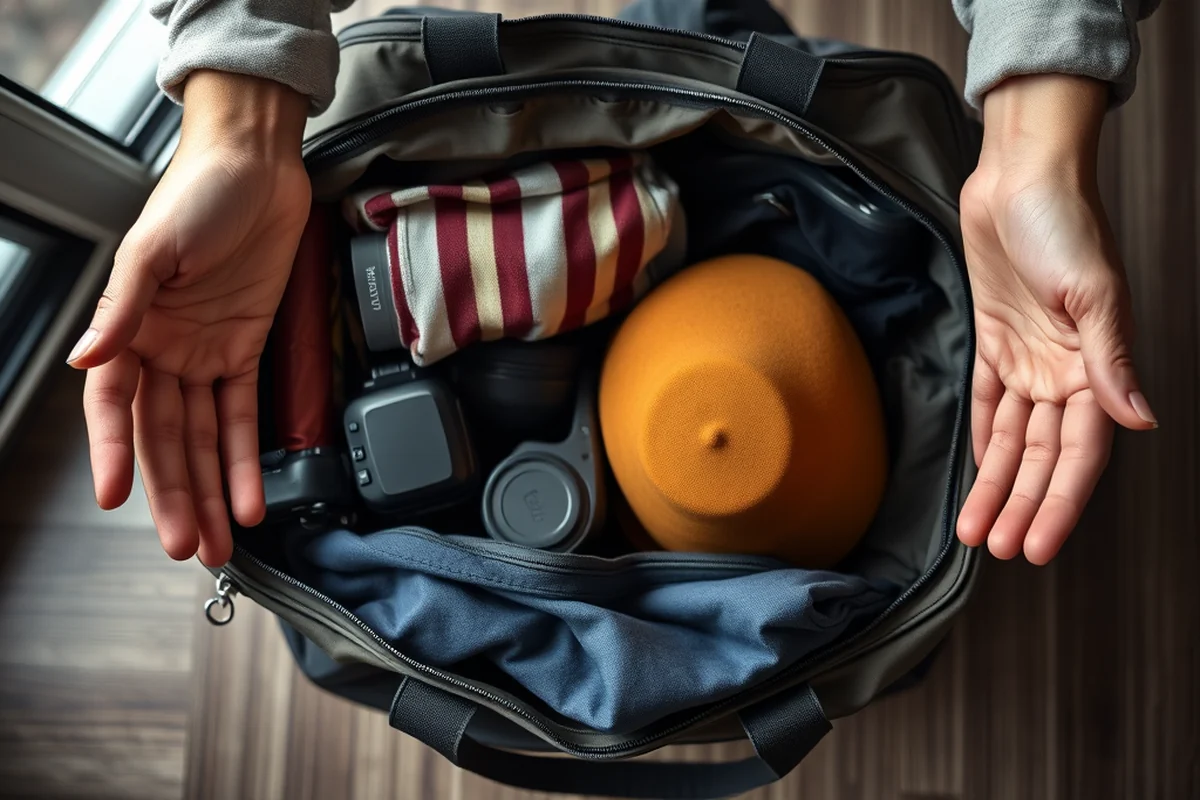
One of the most common mistakes I've seen is overpacking. The Metro is not ideal for large suitcases, and I've had to leave luggage at hotels or storage facilities before. I recommend packing a carry-on and using a rolling bag for heavier items that can be left at your accommodation.
Another tip is to bring a reusable water bottle. Seattle is a city that encourages sustainability, and many Metro stations have refill stations. I filled up my bottle at the 1 Line station and used it throughout the day, avoiding the cost of buying bottled water.
Lastly, I always pack a small backpack or crossbody bag to carry my essentials while traveling. This way, I can easily access my phone, Metro card, and any maps or brochures I might need during the trip.
Avoid large suitcases and opt for carry-on bags to make your Metro trip easier. I once left my suitcase at the hotel and used a backpack to carry everything — it made a huge difference.
“The first time I boarded the Seattle Metro, I was struck by the quiet efficiency of the system and the way it wove through the…”— Backseat Atlas editors
Related: Affordable usa family road trip itineraries budget
Dining on the Metro
One of the joys of using the Metro is the ability to explore the city's culinary scene without relying on a car. I've had some of the best meals in Seattle from stops like the 15 Line, which takes you through the Capitol Hill neighborhood — a hotspot for foodies. The area is packed with restaurants, cafes, and bakeries that are worth a visit.
Another favorite stop is the 11 Line, which runs through the Pioneer Square district. I had a delicious lunch at a small Italian restaurant that only serves fresh pasta made in-house. The Metro allowed me to walk to the restaurant without worrying about parking or traffic.
If you're interested in trying local fare, the 14 Line is a great choice. It passes through the International District, where I enjoyed a meal at a Vietnamese restaurant that was both flavorful and affordable. The Metro made it easy to get there, and I didn't have to spend time looking for parking.
Related: Usa family road trip itineraries budget for small spaces
The Best Time to Use the Metro
I’ve learned that the best time to use the Metro is during the early morning hours, when the system is least crowded. I often took the 1 Line from the airport at 7 a.m. And found that the ride was smooth and efficient. The buses and ferries were not packed, and I was able to enjoy the views without being jostled by other passengers.
Another good time to travel is in the late afternoon, just before the Metro's busiest hours. I found that traveling between 4 p.m. And 6 p.m. Was a good compromise — the system wasn't too crowded, and I had enough time to explore the city before dinner.
However, I also learned that traveling during peak hours — between 7:30 a.m. And 9 a.m., and 4 p.m. And 6 p.m. — can be stressful. I once arrived late at the Space Needle because the bus was delayed by heavy traffic. It was a small inconvenience, but it taught me the importance of timing.
Related: Simple usa family road trip itineraries budget planning
Avoiding Common Metro Mistakes
One of the most common mistakes I've seen is not having a backup plan in case of delays. I once missed a ferry because of a mechanical issue, and I had no alternative way to get to my destination. I recommend checking the Metro's app for real-time updates and having a backup route in mind.
Another mistake is not using the Metro's transfer options. I’ve had to wait for an extra 15 minutes when I didn’t use the transfer system properly. The Metro allows for seamless transfers between buses, ferries, and streetcars, and I recommend using the system to maximize your time.
Lastly, I've seen travelers get lost because they didn't use the Metro’s maps or apps. I always carry a printed map and use the official app to handle the system. It's a small investment that can save you a lot of time and frustration.
Plan for the unexpected — the Metro can be unpredictable.
Related: Quick usa family road trip itineraries budget planning
Seattle Metro Trip Planner Tips for First-Time Travelers
One of the best tips I can give is to use the Metro’s official app. It’s free and provides real-time updates on service disruptions, delays, and route changes. I always check it before heading out, and it has saved me from several missed connections.
Another tip is to plan your trip in advance. I’ve found that using a Seattle Metro trip planner to outline my route before I arrive in Seattle helps me avoid delays and stay on track. I’ve used online tools like Google Maps and the Metro’s own planning service to create detailed itineraries.
Lastly, I recommend buying a 7-day pass if you’re planning to use the Metro extensively. I used one on my last trip and saved over $200 in transportation costs. It’s a great investment for travelers who are planning to explore the city in depth.
💰 Budget-Friendly Seattle Metro Trip
Explore Seattle's best with minimal cost and maximum fun using the Metro.
🌴 Long Weekend Escape
A quick 4-day itinerary to experience Seattle’s highlights without feeling rushed.
👨👩👧👦 Seattle Metro Trip with Kids
A family-friendly plan that’s easy to navigate and packed with kid-friendly activities.
❄️ Off-Season Seattle Metro Trip
Discover Seattle’s hidden gems when the city is quieter and more affordable.
💎 Luxury Seattle Metro Trip
A high-end itinerary that combines the convenience of the Metro with Seattle’s finest experiences.
| The mistake | Why it happens | The fix |
|---|---|---|
| Not checking the Metro app for service updates. | Missing service updates can lead to missed connections and delays. | Always check the Metro app or website before heading out to ensure your route is on time. |
| Overpacking for the trip. | Large suitcases can make it difficult to use the Metro and may need to be left at hotels or storage facilities. | Pack a carry-on bag and use a rolling bag for heavier items that can be left at your accommodation. |
| Not using the Metro’s transfer options. | Not using transfer options can lead to delays and missed connections. | Use the Metro’s transfer system to move seamlessly between buses, ferries, and streetcars. |
| Not planning a backup route. | Not having a backup route can lead to delays if your primary route is affected by service disruptions. | Always have a backup plan in case of delays, such as using the Metro app to find alternative routes. |
| Not using the Metro’s maps or apps. | Not using the Metro’s maps or apps can lead to getting lost and missing connections. | Always carry a printed map and use the Metro’s official app to navigate the system. |
Seattle Metro Trip Planner
Common Questions
Is the Seattle Metro reliable for tourists?
What is the best way to pay for the Metro?
How often do the buses and ferries run?
Are there any free Metro services?
References
- Public Transportation Options | City of Kent (kentwa.gov)
- About Trip Planner - King County, Washington (kingcounty.gov)
- Dynamic Transit Trip Planner (DTTP) (Interactive Transit Station ... (dot.ca.gov)
Cite this guide
Backseat Atlas (2026). Seattle Metro Trip Planner. https://backseatatlas.com/seattle-metro-trip-planner/
Feel free to cite or share this guide.