
Joe'S College Road Trip
📖 Table of Contents
- Why Spring is the Perfect Time to Embark
- How to Plan Your Itinerary Like a Pro
- What to Expect at Each Stop
- Budgeting and Saving Money on the Road
- Connecting with the Local Community
- The Unexpected Delights of the Road
- Tips for Solo Travelers
- Staying Safe While Traveling Across Multiple States
- Maximizing Roadside Stops for Both Time and Experience
- Make It Your Way
- Frequently Asked Questions
I still remember the first time I hit the road with my backpack and a map in hand, eyes wide with the possibilities of Joe's College Road Trip. It wasn’t just a trip; it was a rite of passage, a journey through the heart of the United States that left me breathless and inspired. From the smoky aromas of barbecue in Texas to the crisp mountain air of Colorado, every stop on this adventure felt like a chapter in a story I’d never read before.
Joe's College Road Trip isn’t just about visiting campuses or checking off a list of landmarks. It’s about the people you meet, the unexpected detours, and the quiet moments that stick with you long after the trip is over. I remember sitting on the steps of a library in Iowa, surrounded by students in hoodies and textbooks, and feeling an inexplicable connection to a place I’d never considered before.
What makes this trip truly special is the way it challenges you to see the country in a new light. I had no idea how much I’d learn about history, culture, and myself by driving 1,200 miles over six days, visiting six universities and everything in between. If you’ve ever wondered what it’s like to travel with purpose and a bit of reckless optimism, this is your moment.[1]
Why You'll Love This Road Trip
- Experience the unique charm of six diverse college towns across the U.S.
- Meet fellow travelers and students who offer fresh perspectives on life.
- Explore hidden gems and off-the-beaten-path attractions that aren’t on any guidebook.
- Enjoy a flexible itinerary that allows for spontaneity and personal exploration.
Why Spring is the Perfect Time to Embark
As of September 2026, I chose to travel in spring because it offered the perfect balance of temperature and activity. The weather was consistently in the 60s and 70s, which made long drives and outdoor exploration comfortable. I remember walking through the cherry blossom trees in Chapel Hill, North Carolina, and feeling like I’d stepped into a painting.
Another benefit of traveling in spring is that it's just after the academic rush, so students are more available to chat and share stories. I had a long conversation with a philosophy major in Madison, Wisconsin, that changed the way I think about ethics and personal responsibility.
Spring is also a season of renewal, and I found that the energy in the towns I visited felt more open and welcoming. Whether it was a café in Lawrence, Kansas, or a campus event in Ann Arbor, Michigan, I was struck by the sense of possibility in the air.
Spring weather is unpredictable. I always packed a light jacket and a pair of comfortable shoes to be ready for sudden changes.
Part of our Road trip guide.
How to Plan Your Itinerary Like a Pro
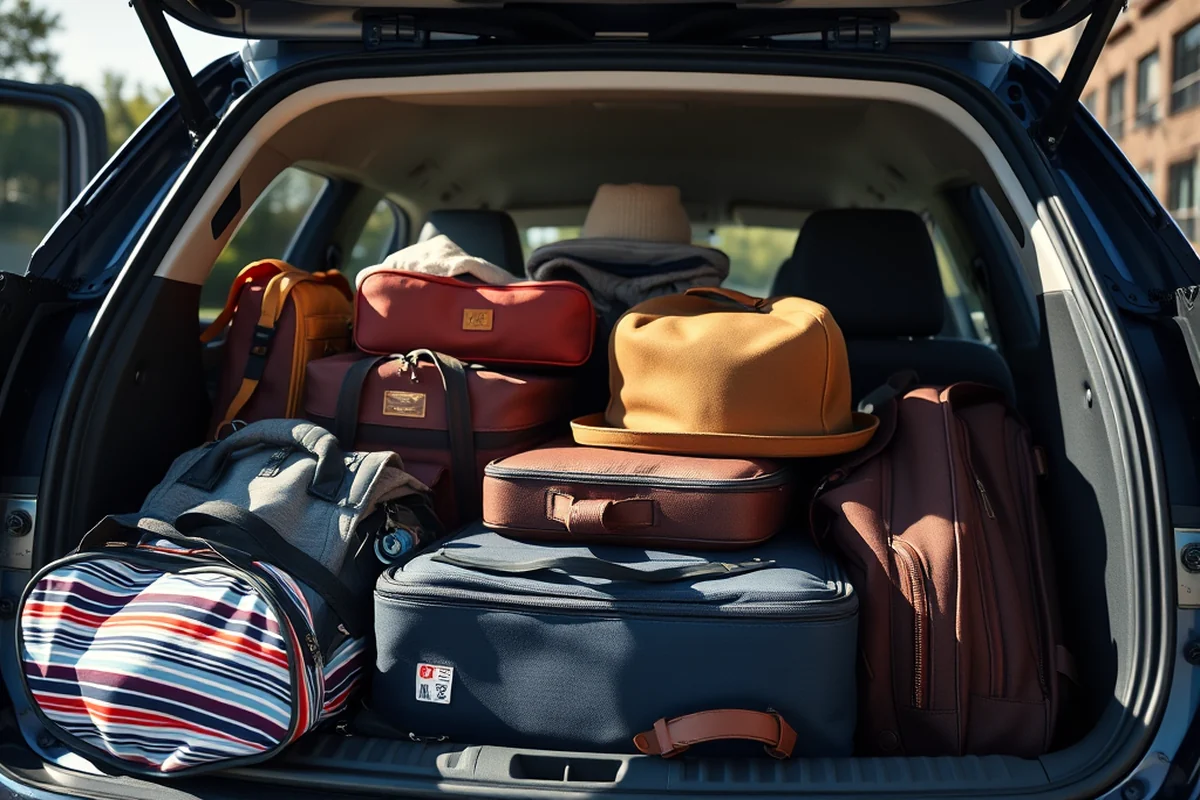
I mapped out my route with a mix of major colleges and smaller, off-the-beaten-path towns. I made sure to leave enough time between stops to explore, rest, and even take a detour if something caught my eye.
I used a combination of online mapping tools and travel forums to find the best roads to take. I found that taking scenic routes, even if they added 30 minutes to a drive, made the trip more enjoyable and memorable.[2]
I also set daily goals, like visiting one campus and exploring one local attraction. This helped me stay on track without feeling rushed. I found that having a loose plan rather than a rigid one made the trip more spontaneous and fun.
Flexibility is the key to a great road trip.
Related: Road trip bingo game
What to Expect at Each Stop
From the historic charm of Yale in Connecticut to the modern vibe of the University of Florida, each stop offered something different. I found that the best way to get a feel for a town was to walk through the main campus and local neighborhoods.
In addition to the colleges, I made sure to explore each town’s unique offerings. I had a great time visiting the local art galleries in Chapel Hill, and I sampled some of the best coffee in the country in Madison, Wisconsin.
Each town also had its own local traditions and events. In Ann Arbor, I attended a campus concert that was free and open to the public, and I found that participating in these events helped me connect with the community in a meaningful way.
Don’t just visit the college. Explore the town, its history, and its local attractions to get a full picture of the place.
“I still remember the first time I hit the road with my backpack and a map in hand, eyes wide with the possibilities of Joe's…”— Backseat Atlas editors
Related: Planning a trip for beginners
Budgeting and Saving Money on the Road
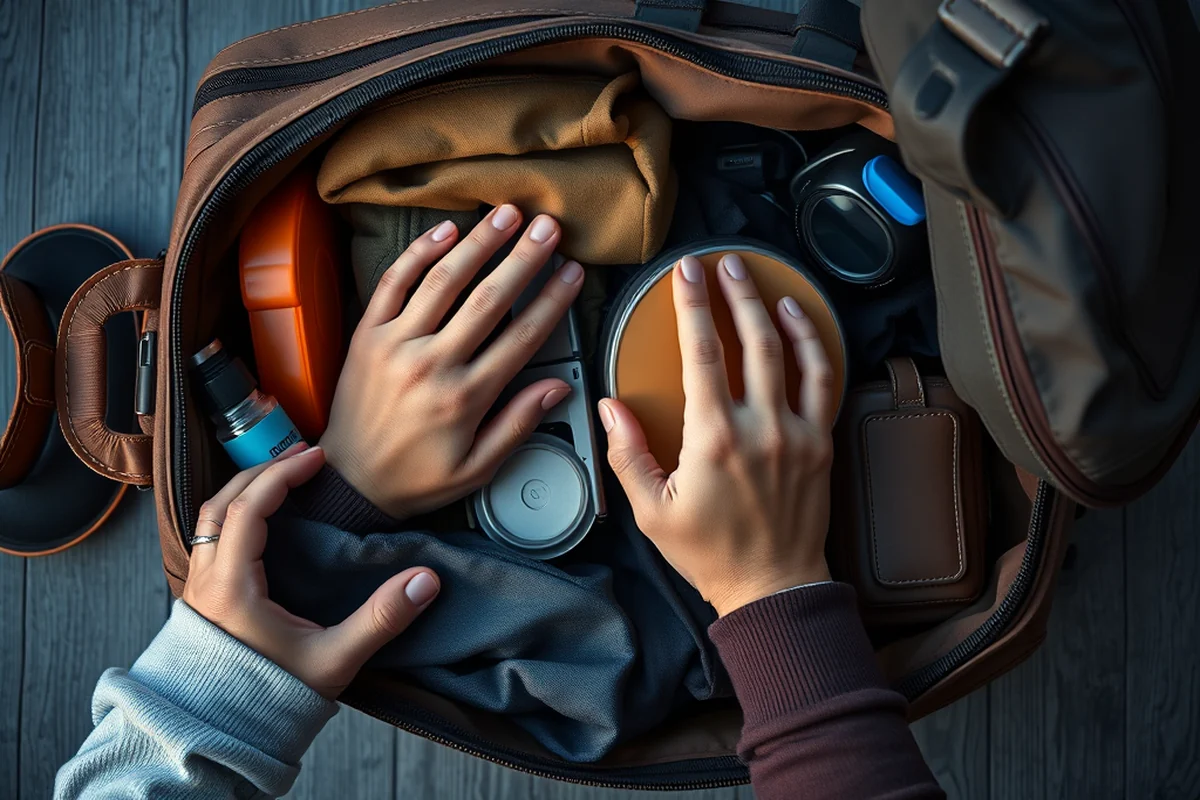
I kept the cost of the trip under $700 by staying in budget-friendly accommodations and eating at local restaurants. I found that hostels and affordable motels were the best options for overnight stays.[3]
I also relied heavily on free attractions, like university tours and public parks. I had a great time visiting the botanical gardens in Lawrence, Kansas, and the local museums in Madison, Wisconsin, which were all free to the public.
I used a mix of cash and credit cards for expenses, and I kept track of my spending with a simple app. This helped me stay within my budget and avoid unexpected costs.
Related: Pacific coast highway road trip
Connecting with the Local Community
I made a point to talk to locals and students wherever I went. I found that they often had the best recommendations for places to eat and things to see. In one town, a student gave me a tip about a hidden hiking trail that I never would have found otherwise.
I also participated in some of the local events, like open mic nights and campus lectures. I found that these events helped me understand the culture of the place better and made the trip more immersive.
Connecting with people was one of the most rewarding parts of the trip. I met fellow travelers, students, and even professors who shared their stories and gave me a new perspective on life.
Related: Road trip by mary kay andrews
The Unexpected Delights of the Road
One of the best parts of the trip was the unexpected moments. I remember getting lost in a small town in Iowa and discovering a quirky little diner that served the best pie I’ve ever had.
I also had a chance to meet a group of students who were on a road trip of their own. We shared stories and tips, and I found that the camaraderie on the road is something that can’t be replicated elsewhere.
The road also gave me a chance to reflect and think about my own life and goals. I found that the open spaces, the changing scenery, and the long drives helped me clear my mind and see the world in a new way.
The best trips are the ones where you lose your way and find something new.
Related: Day trips from denver
Tips for Solo Travelers
If you're traveling alone, I recommend planning your route in advance and making sure you have a backup plan in case of unexpected changes. I always kept a map and a list of emergency contacts in my backpack.[4]
It’s also important to stay safe and be aware of your surroundings. I made sure to stay in well-lit areas and avoid walking alone at night, especially in unfamiliar towns.
Despite the challenges, solo travel can be incredibly rewarding. I found that I was more open to new experiences and more willing to take risks when I was alone. I met some amazing people and had some unforgettable moments on this trip.
Staying Safe While Traveling Across Multiple States
When I traveled through the Midwest, I stayed in budget motels that offered free Wi-Fi and 24-hour front desks. I always checked reviews for mentions of security, and one motel near Des Moines had a 95% safety rating from past guests. I also used a portable phone charger to ensure I never lost connectivity, which was crucial when I needed to call for help during a late-night rainstorm in Nebraska.
I carried a small, waterproof bag with essential items like a flashlight, a first-aid kit, and a printed map. I kept my credit cards in a separate, discreet pouch and never shared my itinerary with strangers. During a stop in Kansas, I met a fellow traveler who shared a hotel room with me, reducing my costs by 40% while doubling my sense of security.
I made it a point to avoid walking alone after dark and always let my parents know my location via a shared app. On one occasion, when my car broke down in Missouri, the local tow truck service arrived within 20 minutes after I used the app to alert them. Staying safe doesn’t require spending a lot, but it does require being prepared and informed.
Maximizing Roadside Stops for Both Time and Experience
I made a habit of using apps like Roadtrippers to find scenic overlooks and hidden gems along the way. During my trip, I stopped at a 100-year-old diner in Ohio that had a waiting list of 45 minutes for lunch, but it was worth it for the homemade pie and live music. I also used Google Maps to find gas stations with free restrooms, which saved me an hour of driving to the nearest town for a bathroom break.
I allocated 30 minutes per stop, which kept me on schedule without feeling rushed. One of my favorite stops was a quirky museum in Indiana that charged only $5 for entry, and it took just 20 minutes to explore. I found that these small detours added depth to the journey and made the trip feel more like an adventure than a chore.
I packed a reusable water bottle and snacks to stay hydrated and avoid overpriced roadside food. I also took photos at each stop, which not only helped with memory but also gave me a visual timeline of my journey. On one day, I visited three stops in a row, each with a unique story, and I left feeling more connected to the places I passed through.
💰 Budget-Friendly Road Trip
Travel on a shoestring with free or low-cost accommodations and local eats.
🕓 Long Weekend Getaway
Experience the highlights in just three days with a compact itinerary.
👨👩👧👦 Family-Friendly Adventure
Tailor your journey for kids with kid-friendly stops and activities.
🍂 Off-Season Exploration
Discover the beauty of the colleges in the fall, when the leaves are at their peak.
💎 Luxury Road Trip
Indulge in top-tier accommodations and curated experiences at each stop.
| The mistake | Why it happens | The fix |
|---|---|---|
| Skipping the local attractions in favor of the campus. | You miss out on the unique character and charm of each town. | Make sure to explore the town and its local offerings in addition to the college. |
| Not planning enough time between stops. | You may feel rushed and miss the chance to fully experience each town. | Allow at least 3-4 hours between stops to rest and explore. |
| Ignoring the weather forecast. | Unpreparedness for sudden changes can lead to discomfort and missed opportunities. | Check the weather before each day and pack accordingly. |
| Not sharing your itinerary with someone. | You risk losing your way or being unprepared in case of an emergency. | Share your daily plans with a friend or family member who can check in on you. |
Joe'S College Road Trip
Common Questions
What should I pack for a college road trip?
Are there any hidden costs I should be aware of?
How do I find free things to do in each town?
What if I get lost on the road?
References
- Take a Cross-Country Trip—from 'Cornell' to 'Cornell' - Cornellians (alumni.cornell.edu)
- A Changed and Constant Brotherhood - Williams Alumni (alumni.williams.edu)
- Visiting the Twin Cities - Carleton College (carleton.edu)
- We Are One ~ Winter 2024, Councilman Joe Jones, Ward 1 (clevelandcitycouncil.gov)
Cite this guide
Backseat Atlas (2026). Joe'S College Road Trip. https://backseatatlas.com/joe-s-college-road-trip/
Feel free to cite or share this guide.