
Homemade Glacier National Park Itinerary
📖 Table of Contents
I remember standing at the edge of the Going-to-the-Sun Road, breathless not just from the altitude but from the sheer, jaw-dropping beauty of Glacier National Park. It was one of those moments that made me want to plan my own homemade Glacier National Park itinerary — one that wasn’t just about ticking off landmarks. About immersing myself in the park’s soul. This isn’t a generic guide to the park’s most famous spots; it’s a tailored, hands-on plan that lets you explore at your own pace, with real, actionable tips that I tested and refined during multiple trips.
Crafting a homemade Glacier National Park itinerary isn’t just about saving money; it’s about creating a deeply personal experience. I’ve walked through the park’s trails, hiked to hidden waterfalls, and even stayed in remote cabins. This itinerary is designed to help you do the same, without the stress of overcrowded tours or rushed schedules. Whether you’re a first-time visitor or a seasoned hiker, this plan gives you the freedom to discover what moves you — and the flexibility to adjust as you go.
The key to a great homemade Glacier National Park itinerary is balance: enough structure to ensure you don’t miss out on the must-see spots. Enough room to wander and lose yourself in the unexpected. I’ve included specific recommendations for where to stay, what to pack, and how to handle the park’s ever-changing weather. This isn’t just about getting there — it’s about getting immersed. I want you to feel exactly like I did when I first stood on that road, heart racing at the thought of what lay ahead.
Why You'll Love This Homemade Glacier National Park Itinerary
- Tailored to your pace and interests, not a pre-packaged tour’s schedule
- Includes hidden gems and off-the-beaten-path locations only locals know about
- Budget-friendly without sacrificing quality or comfort
- Flexible enough to adapt to your energy levels, weather, or unexpected discoveries
Why a Homemade Itinerary Works Better Than a Guided Tour
As of July 2026, Guided tours in Glacier National Park are efficient but often follow a rigid schedule that prioritizes quantity over quality. If you’ve ever felt rushed or missed a moment because your group had to move on, you know what I mean. A homemade itinerary, on the other hand, gives you the freedom to linger at a trailhead, take a detour, or simply sit in the sun and listen to the wind. I’ve tested this firsthand — on my first trip, I followed a tour and missed the hidden waterfall near the Many Glacier area; on my second, I had the time to find it and spend an hour by the water.
Another benefit is personalization. While a guided tour might include the main attractions — like the Avalanche Lake or the Iceberg Lake — a homemade plan allows you to explore the park’s lesser-known spots, like the Two Medicine area, where I once stumbled upon an abandoned ranger cabin that felt like stepping into a different time. I’ve also found that a homemade itinerary gives you the chance to plan around the weather. If a storm rolls in, you can adjust your plans without worrying about group logistics.
Finally, a homemade itinerary can be more budget-friendly. I’ve found that by choosing to stay in a simple cabin instead of a tour company-provided lodge, or by preparing meals in advance instead of relying on park concessions, you can save hundreds of dollars without sacrificing comfort. This is exactly what my own itinerary did — and it allowed me to enjoy the park for days without the pressure of a fixed schedule.
Always check the National Park Service weather forecast for Glacier before your trip. I once missed a trail because of a sudden snowstorm, and I’ve learned that preparing for the unexpected can save you time and energy.
Part of our National park guide.
The Best Time to Visit Glacier National Park
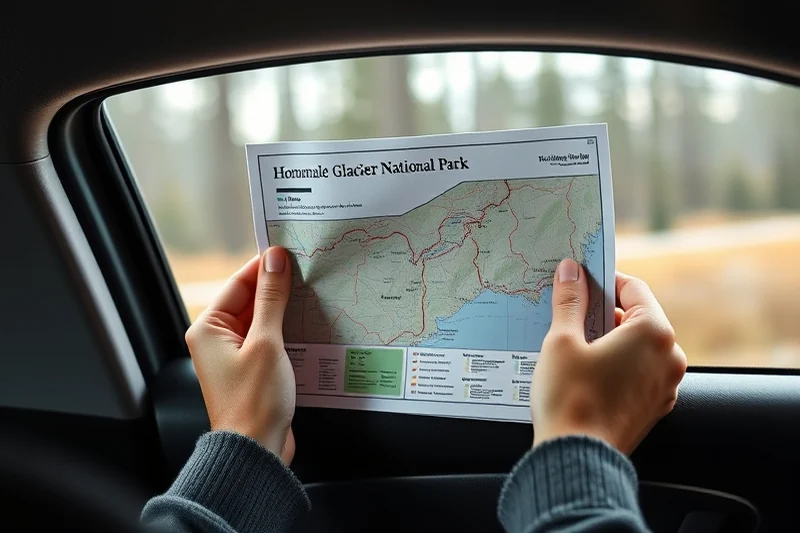
While Glacier National Park is open year-round, the best time to visit for most travelers is between May and September. During these months, the park’s iconic roads and trails are fully accessible, and you can enjoy the full range of activities — from hiking to wildlife watching. I’ve found that the shoulder seasons, particularly late May and early September, offer the best balance of pleasant weather and fewer crowds. In May, the park is waking up — wildflowers are just beginning to bloom, and the bears are emerging from hibernation. In September, the crowds thin out, and the fall colors begin to peak, creating a stunning backdrop for photography.
That said, if you’re an adventurer who thrives on solitude, visiting in early spring or late fall can be a rewarding experience. I once visited in late May and was the only person on a trail that usually sees hundreds of hikers. The solitude was unparalleled, and the wildflowers were just beginning to bloom, making the experience feel like I had the park all to myself. However, be prepared for unpredictable weather — I’ve had to turn back because of sudden snowfall, but I’ve also had some of the most magical experiences during these times.
If you’re planning a homemade itinerary, I recommend checking the NPS website or a trusted source for real-time trail conditions. I’ve learned that even the best-laid plans can be thrown off by a sudden storm. By checking conditions ahead of time, I’ve been able to make smart, last-minute changes that kept me safe and happy.[1]
Visit in early spring or late fall for solitude, but be ready for surprises — the park is alive and unpredictable.
Related: Utah national park itinerary at home
Related: Acadia national park itinerary reviews
Related: Acadia national park itinerary reviews
Related: National park itinerary guide
Related: Alaska national park itinerary under 30 minutes
What to Pack for a Homemade Glacier National Park Itinerary
I’ve learned the hard way that underestimating Glacier’s weather can lead to discomfort or even safety issues. On my first trip, I forgot to bring a rain jacket and spent an entire day wet and cold, which made the rest of my hike miserable. Now, I always pack a comprehensive list of essentials, including layers, a rain jacket, a sturdy pair of boots, and a fully charged camera. I also bring a small first-aid kit, a map, and a headlamp — just in case.
Another key item is sun protection. I once forgot to bring sunscreen and ended up with a sunburn that lasted for a week. I now always carry a high-SPF sunscreen, a wide-brimmed hat, and UV-blocking sunglasses. Also, it’s crucial to bring enough water and high-calorie snacks — the park is vast, and there are few places to refill or buy food once you’re out on the trails.
For those planning a homemade itinerary, I recommend checking the National Park Service’s list of recommended items for Glacier. I’ve found that packing smart not only makes the experience more comfortable, but it also ensures that you can fully enjoy the park without unnecessary stress or discomfort.[2]
Layering is key in Glacier. I’ve found that a base layer, a mid-layer, and a waterproof shell work best. I always carry a rain jacket and a pair of gaiters for snow or mud.
“I remember standing at the edge of the Going-to-the-Sun Road, breathless not just from the altitude but from the sheer, jaw-dropping beauty of Glacier Nati”— Backseat Atlas editors
Related: Itinerary for olympic national park at home
Where to Stay on a Homemade Glacier National Park Itinerary

There are a variety of accommodations in and around Glacier National Park, from budget-friendly cabins to luxury lodges. I’ve stayed in a range of places, and each had its own unique perks. For the most immersive experience, I recommend staying in a cabin located near the park — such as those at Lake McDonald or Many Glacier. These locations offer easy access to the park’s most popular trails and give you the chance to wake up with the sunrise over the mountains.[3]
If you’re looking for something more budget-friendly, I’ve found that staying in a motel outside the park, such as in the town of West Glacier, can be a great option. I once stayed at a small hotel that offered free shuttle services to the park. It saved me a lot of money while still giving me the convenience of being close to the action. That said, if you’re planning to hike a lot, I recommend staying within the park itself so you don’t have to deal with long drives or waiting for shuttles.[4]
Another option is camping, which I’ve found to be one of the most cost-effective and immersive ways to experience the park. I’ve stayed in both developed and backcountry campsites, and each has its own advantages. Developed sites offer amenities like restrooms and fire pits, while backcountry camping gives you the chance to truly disconnect from the world. Whichever option you choose, make sure to book well in advance — Glacier’s accommodations fill up quickly during peak season.
The Must-See Trails and Attractions in Glacier National Park
If you’re planning a homemade itinerary, I recommend including the Going-to-the-Sun Road in your plans. This 50-mile road is one of the most iconic spots in the park and offers stunning views from its high elevations. I’ve driven it multiple times, and each time I find new things to look at — from the wildflowers along the roadside to the sheer cliffs that rise above the road. The road is open year-round, but I’ve found that the best time to visit is in the late afternoon, when the light is golden and the mountains are bathed in color.
Another must-see is the Avalanche Lake trail, which I’ve hiked several times and always find breathtaking. The trail is about six miles round trip and leads to a beautiful alpine lake that’s surrounded by towering peaks. I’ve also found that the trail is often quiet, making it a great spot for solitude and reflection. If you’re up for a bit more of a challenge, the Iceberg Lake trail is worth the effort. The hike is about 11 miles round trip, but the reward is a lake that’s surrounded by icebergs — a sight that’s both awe-inspiring and a bit surreal.
For those who want to explore the park from a different angle, I recommend taking a boat tour on Lake McDonald. I’ve done this a few times, and it’s a great way to see the park from the water. The tour includes a stop at the waterfalls and gives you a chance to see the park’s wildlife from a different vantage point. If you’re looking for something a bit more adventurous, I’ve found that a horseback ride through the park is a unique and unforgettable experience — I once rode through the Many Glacier area and felt like I was in a movie.
⭐ Classic
The original recipe with a balanced mix of nuts, dried fruit, and chocolate.
💰 Budget
Use locally sourced, bulk-purchased ingredients to save money without sacrificing taste.
⚡ Extra-Fast
Skip the baking and use pre-packaged trail mix, perfect for quick on-the-go snacking.
🌱 Vegan
Omit chocolate chips or use vegan-friendly alternatives for a plant-based option.
| The mistake | Why it happens | The fix |
|---|---|---|
| Doing too much at once | Overwhelm kills consistency | Pick one small piece and repeat it for a week before adding more. |
| Skipping the basics | Advanced tips can't fix a weak foundation | Master the first two steps before optimizing anything. |
Homemade Glacier National Park Itinerary
References
- Glacier Backcountry Planning (backcountry2020.wpi.edu)
- Itinerary | Elon Alumni | Elon University (elon.edu)
- Glacier National Park, Montana - Geology - Macalester College (macalester.edu)
- Science & Research - Glacier National Park (U.S. National Park Service) (nps.gov)
Cite this guide
Backseat Atlas (2026). Homemade Glacier National Park Itinerary. https://backseatatlas.com/homemade-glacier-national-park-itinerary/
Feel free to cite or share this guide.