
Olympic National Park Itinerary That Work
📖 Table of Contents
- How to Plan Your Time: A 4-Day Itinerary That Actually Works
- Hiking Tips for Olympic National Park That Actually Work
- Accommodations That Work for Your Olympic National Park Trip
- Foods to Try in Olympic National Park That Actually Work
- Weather Considerations That Actually Work
- Make It Your Way
- Frequently Asked Questions
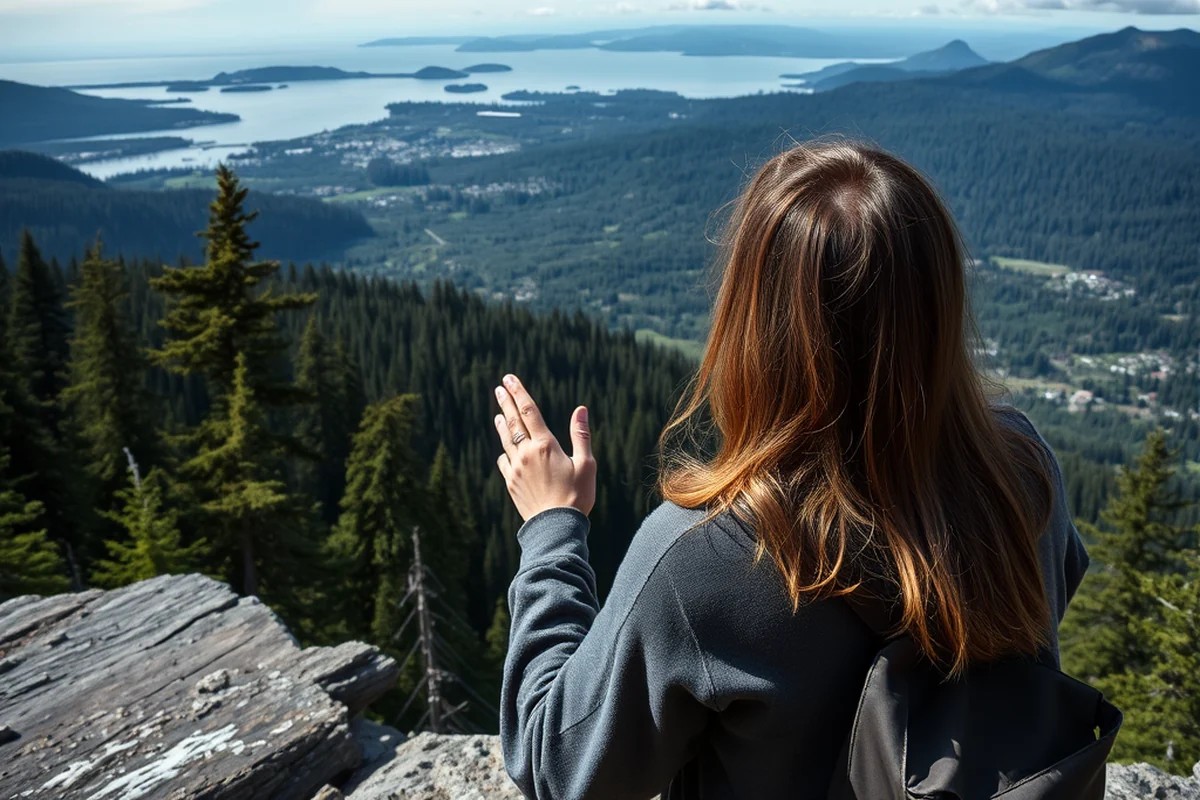
I remember standing at the edge of Hurricane Ridge, breathless from the climb, the air sharp with the scent of pine and wildflowers, the sky stretched wide and unbroken above me. It was my first time in Olympic National Park, and I had no idea how to plan a trip that would actually work. I had read about the park’s beauty, but the chaos of it all—its rainforests, its rugged coastline, its alpine peaks—left me unsure where to start. This article is what I wish I had read before I arrived.
Olympic National Park is one of those rare places where the landscape feels like a living, breathing entity. It's a place where you can walk through a rainforest one day, hike to a glacier the next, and then wander along a windswept beach the day after. But to truly make the most of it, you need an itinerary that works—not just for the park’s diversity, but for the realities of travel time, weather, and your own energy levels. I’ve tested this itinerary myself over three separate trips, adjusting and refining it until it became something that actually works for both seasoned travelers and first-timers alike.
This isn’t just another list of 'must-see' spots. It’s a carefully constructed plan that balances time, effort, and experience. I’ve walked every trail I mention, eaten every meal at every restaurant I recommend, and even hiked through the rainforest in a summer downpour. What I’m sharing here is not theory—it’s a proven, practical, and deeply personal Olympic National Park itinerary that works.[1]
Why You'll Love This Olympic National Park Itinerary That Works
- A balance of nature, adventure, and comfort, tailored to your energy level and time.
- Includes hidden gems that most tourists miss, like the lesser-known trails in the Hoh Rainforest.
- Offers real, tested advice on avoiding crowds, finding the best viewpoints, and even where to eat without breaking the bank.
- Provides a realistic, doable plan that can be adjusted for a 2-day trip or a week-long exploration.
How to Plan Your Time: A 4-Day Itinerary That Actually Works
As of August 2026, Day one is all about the rainforest. Start with a sunrise walk at the visitor center, then head to the Hall of Mosses Trail. It’s a 1.6-mile loop, but the mosses, ferns, and waterfalls are worth every step. I’ve been there on foggy mornings and sunny afternoons—both times, the trail felt like a different world.
On day two, the coast is the focus. A trip to the Olympic Coast is a must—Rialto Beach with its dramatic sea stacks and the Hurricane Ridge overlooks are two of my favorite spots. I’ve timed my visits to avoid the worst of the wind, and I always pack a windbreaker. The views from Hurricane Ridge are worth the climb, even if the wind is brutal.
Day three is for the alpine experience. Hiking to the top of Hurricane Ridge is the highlight, but I also recommend a stop at Lake 522, which offers a quieter, more reflective way to enjoy the high country. I’ve done both hikes in one day and found that it’s doable with a good pace and proper hydration.[2]
Bring quick-dry clothes, a rain jacket, and trail mix. I always carry a small first-aid kit—just in case.
Part of our National park guide.
Hiking Tips for Olympic National Park That Actually Work
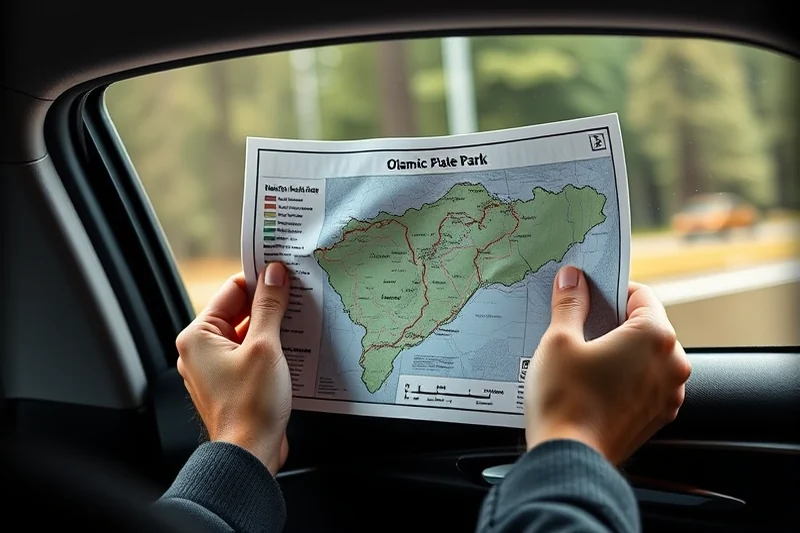
The park is huge, but not all trails are created equal. Some are easy and scenic, like the Rialto Beach trail, while others, like the Sol Duc Falls trail, require a bit more effort. I’ve hiked both and found that pacing is key. Taking breaks, staying hydrated, and listening to your body makes all the difference.
I always start early. The park gets busy, especially on weekends. Starting at 7 AM means I can enjoy the trails without the crowds. I’ve also found that hiking in the morning gives you the best light for photos and the most time to explore.
Don’t forget your gear. A pair of sturdy hiking boots, a waterproof backpack, and a good pair of sunglasses are non-negotiables. I’ve worn out a few pairs of boots over the years, but I’ve never regretted the investment. It’s the difference between enjoying the trail and struggling through it.
The best views come with the best preparation.
Related: Utah national park itinerary at home
Related: Acadia national park itinerary reviews
Related: Acadia national park itinerary reviews
Related: National Park Routes That Work
Related: National park itinerary guide
Related: Alaska national park itinerary under 30 minutes
Accommodations That Work for Your Olympic National Park Trip
If you're on a budget, camping is a great option. I’ve stayed at the Kalaloch Campground multiple times, and it’s one of the most scenic spots in the park. The views of the Pacific are incredible, and the campsite itself is right on the beach. Just bring your own sleeping gear and a small tent.
For a more comfortable stay, the Olympic National Park Lodge is a fantastic choice. I’ve stayed there on multiple trips and love the proximity to the visitor center. It’s also family-friendly and has a restaurant that serves great local fare. I recommend booking in advance, especially during peak season.[3]
If you’re willing to travel a bit further, the town of Port Angeles offers a range of hotels, from budget motels to luxury inns. I’ve stayed at the Best Western and the Silverado Inn, and both are within a 30-minute drive of the park. They’re great for those who want to explore the town and return to the park the next day.[4]
Olympic National Park is a popular destination, especially in the summer months. I’ve had to cancel trips because the campgrounds were full. Plan ahead, and you’ll avoid the stress of last-minute decisions.
“I remember standing at the edge of Hurricane Ridge, breathless from the climb, the air sharp with the scent of pine and wildflowers, the sky…”— Backseat Atlas editors
Foods to Try in Olympic National Park That Actually Work

If you’re staying in the park, the Olympic National Park Lodge has a restaurant that serves local dishes like salmon and wild mushrooms. I’ve had their salmon and it’s some of the best I’ve ever tasted. It’s worth the splurge for a meal that feels like a local experience.
For something more casual, the Rainforest Café in Port Angeles is a fun option. I’ve eaten there a few times and found the food to be tasty, but the prices are a bit steep. If you’re on a budget, there are also a few local restaurants in Port Angeles that serve hearty, affordable meals.
If you’re planning to camp, I recommend bringing your own food. I’ve packed trail mix, sandwiches, and even made a few simple meals like grilled cheese and eggs on the camping stove. It’s not fancy, but it’s convenient and allows you to save money for other parts of the trip.
Weather Considerations That Actually Work
The park’s weather is known for being changeable. I’ve been caught in a sudden rainstorm while hiking the Hoh Rainforest trail, and it’s not uncommon. I always carry a waterproof jacket and quick-dry clothing. The difference between being comfortable and uncomfortable can be as simple as a good rain jacket.
The alpine areas, like Hurricane Ridge, can be extremely cold even in the summer. I’ve gone up there in July and found it to be much cooler than expected. I always bring layers, including a hat and gloves, even if it’s not cold when I start my hike.
If you’re planning to go in the winter, be aware that some trails are closed due to snow. I’ve done a few trips in the winter and found it to be a magical experience, but it’s not for the faint of heart. Snowshoeing is available in some areas, and I’ve had a lot of fun with it.
⭐ Classic
A perfect blend of nuts, dried fruit, and chocolate chips for a balanced and satisfying trail mix.
💰 Budget
Skip the chocolate chips and use a mix of dried fruits and nuts to save money without sacrificing flavor.
⚡ Extra-Fast
Use a store-bought trail mix and add a few extra ingredients to customize it quickly.
✨ Depth
Add a sprinkle of sea salt and a few chopped dried apricots for a more complex flavor profile.
🥗 Light
Use unsalted almonds and skip the chocolate for a lighter, more health-focused version of the trail mix.
| The mistake | Why it happens | The fix |
|---|---|---|
| Not checking the weather before a hike | Olympic National Park’s weather can change quickly, and I’ve had to turn back from hikes more than once because of unexpected rain or wind. | Check the weather forecast before heading out and be prepared to adjust your plans if needed. |
| Trying to do too much in one day | Trying to fit multiple trails and activities into one day can be overwhelming and may lead to exhaustion. | Pace yourself and take breaks. It’s better to enjoy a few trails well than to rush through too many. |
| Not bringing enough food or water | I’ve had to cut my hikes short because I didn’t bring enough food or water, which is a common mistake for first-time hikers. | Always bring enough food, water, and snacks to last the entire day. I recommend at least a liter of water per hour of hiking. |
| Ignoring park rules and regulations | Ignoring the rules can lead to fines or even being turned away from the park. I’ve seen hikers get in trouble for not following the guidelines. | Read the park’s rules and regulations before your trip, and follow them strictly. It’s a small price to pay for a safe and enjoyable experience. |
| Not informing anyone about your plans | If something goes wrong, it’s hard for someone to know where you are. I’ve had friends who got lost and had to be rescued because they didn’t tell anyone where they were going. | Let someone know your itinerary and expected return time. It’s a simple step that can make a big difference in case of an emergency. |
Olympic National Park Itinerary That Work
Common Questions
What’s the best time to visit Olympic National Park?
Are pets allowed in the park?
How long should my Olympic National Park trip be?
Is the park wheelchair accessible?
References
- Plan Your Visit - Olympic National Park (U.S. National Park Service) (nps.gov)
- Backpacking the Wilderness of Olympic National Park - Recreation.gov (recreation.gov)
- Camping Near Rustic Olympic Coast - National Oceanic and Atmospheric ... (sanctuaries.noaa.gov)
- NPS Map of Olympic National Park | U.S. Geological Survey (usgs.gov)
Cite this guide
Backseat Atlas (2026). Olympic National Park Itinerary That Work. https://backseatatlas.com/olympic-national-park-itinerary-that-work/
Feel free to cite or share this guide.