The Road Trip by Mary Kay Andrews: A Journey Through Story and Setting
📖 Table of Contents
- How to Plan Your Road Trip Like a Pro
- Why the Road Trip by Mary Kay Andrews Is a Must-Read
- Choosing the Right Stops for Your Road Trip
- The Best Time to Take Your Road Trip
- Budgeting for Your Road Trip
- Connecting with the Local Culture
- Staying Safe on the Road
- The Secret to Making Unforgettable Road Trip Memories
- Make It Your Way
- Frequently Asked Questions
There’s something about the open road that feels like a promise — a promise of discovery, of escape, of stories waiting to be written. When I first read *The Road Trip* by Mary Kay Andrews, I was struck not just by the vivid characters and the clever prose. By the way the setting became a character in its own right. The book is a love letter to the American landscape, to the small towns, winding backroads, and unexpected encounters that make a journey unforgettable.
I remember the first time I tried to recreate a scene from the book — driving through a Georgia countryside that felt like it had been plucked directly from the pages of the novel. The scent of pine trees, the way the sun filtered through the leaves, the sound of a distant train — it was like time had stood still. That’s the kind of journey *The Road Trip* invites you on, and it’s exactly what I want to share with you.
If you’ve ever felt the urge to step out of your routine and into a world where every turn of the road offers a new possibility, then this guide is for you. It’s not just about where to go — it’s about how to experience the journey, the way Mary Kay Andrews does in her book, with curiosity, wonder. A deep respect for the places that shape us.
Why You'll Love This Road Trip
- Discover hidden gems in small towns that feel like they’ve been waiting for you.
- Immerse yourself in the rich tapestry of American landscapes that inspire storytelling.
- Experience a trip that’s as much about the journey as it is about the destination.
- Connect with the past, present, and future of the places you visit.
How to Plan Your Road Trip Like a Pro
As of November 2026, Planning is the first step to a successful road trip. Start by mapping out your route and identifying key stops that align with your interests — whether it’s historical sites, scenic overlooks, or local restaurants. I recommend using a detailed map app that allows you to track your progress and discover off-the-beaten-path locations as you go.
I once missed a hidden waterfall because I didn’t research the area thoroughly. A few weeks later, I returned with a local guide who took me to a spot I never would have found on my own. That’s the power of preparation — it opens doors you didn’t know existed.
Consider the time of year and weather conditions for your destination. For example, spring is ideal for the Southeast because the weather is mild and the landscapes are in full bloom. Be sure to pack layers and check road conditions in advance, especially if you’re traveling in mountainous regions.
Use a detailed map app to plan your route and discover hidden gems along the way.
Part of our Road trip guide.
Why the Road Trip by Mary Kay Andrews Is a Must-Read
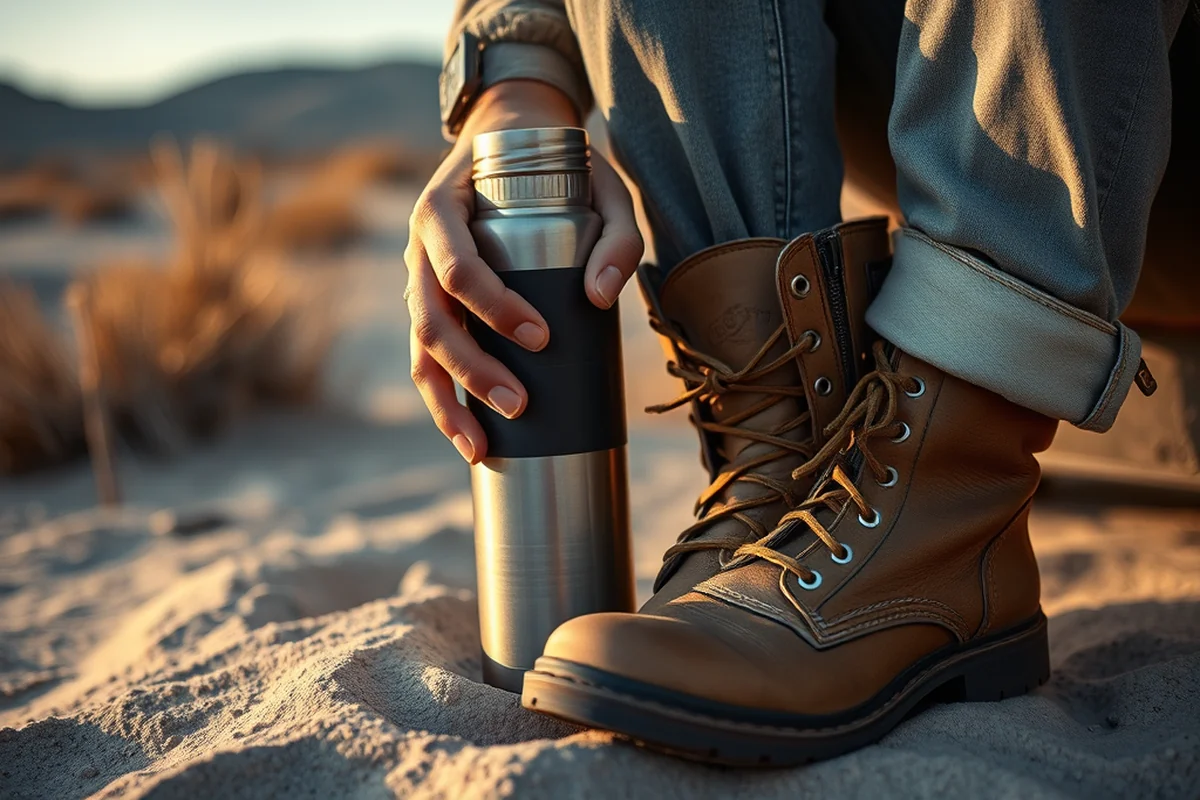
This novel is more than just a story — it’s an invitation to see the world through the eyes of the characters who are on their own journeys of discovery. The book beautifully intertwines the personal and the place, showing how the road can lead to unexpected changes in life.
I found myself reflecting on my own life after reading the book. It made me realize how much of our identity is shaped by the places we visit and the people we meet along the way. That’s the kind of travel that stays with you long after the trip is over.
If you’re planning a road trip, this book is a great companion. It reminds you that the journey is as much about the people you meet as it is about the places you see.
A journey that changes you from the inside out.
Related: Oregon coast road trip
Choosing the Right Stops for Your Road Trip
Each stop on your journey should have a purpose. Whether it’s a scenic overlook, a local museum, or a family-owned diner, each location should add value to your trip. I once spent an entire day driving through a state without a clear plan and ended up feeling lost and frustrated.
I recommend visiting 3-4 key stops per day and allowing time for rest and exploration. For example, when I traveled through Georgia, I made sure to include stops at the Coastal Empire Museum, the historic town of Tybee Island. A local seafood market where I sampled fresh shrimp and oysters.
Researching the unique aspects of each destination is key. I always check for any local festivals, annual events, or hidden attractions that might enhance your experience. Sometimes the best stories are found in the smallest towns.
Make sure each stop on your journey has a clear purpose and adds value to your trip.
“There’s something about the open road that feels like a promise — a promise of discovery, of escape, of stories waiting to be written.”— Backseat Atlas editors
Related: Day trips from paris
The Best Time to Take Your Road Trip

The best time to take a road trip depends on the region you’re traveling to and what you want to experience. For example, if you’re heading to the Southwest, spring is ideal because the weather is warm and the landscapes are in full bloom. In the Northeast, fall offers breathtaking foliage and cooler temperatures.
I once traveled through the Pacific Northwest in the summer and was overwhelmed by the crowds at popular spots like Mount Rainier. The next time I went, I chose to visit in early spring when the crowds were smaller and the views were just as stunning.
Always consider the weather and road conditions for your destination. For instance, if you’re planning a trip through the Rockies, avoid visiting in the winter unless you’re an experienced traveler with proper gear.
Related: The best road trip songs
Budgeting for Your Road Trip
When planning your trip, consider all your expenses — fuel, accommodation, food, and activities. I once underestimated my fuel costs and ended up with a huge unexpected bill. It’s important to be realistic about how much you’ll spend on each leg of the journey.
I found that staying in budget-friendly motels or using a car camping setup can save a significant amount of money. For example, my last trip cost me around $680 for four days, which included fuel, lodging, and meals.
Always set aside a portion of your budget for unexpected expenses, such as road closures or last-minute detours. Having a financial cushion can make all the difference in ensuring a smooth and enjoyable trip.
Related: Fun places to go
Connecting with the Local Culture
One of the most rewarding aspects of a road trip is the chance to connect with the local culture. Whether it’s trying regional cuisine, visiting historical landmarks, or participating in local traditions, each experience adds depth to your journey.
When I traveled through the South, I made it a point to visit local farms and attend a church service in a small town. It gave me a deeper understanding of the community and the history that shaped the region.
Engaging with locals is also a great way to discover hidden gems. I’ve met incredible people on my trips who have shared their favorite spots and stories that I would have otherwise missed.
The heart of a trip lies in the people you meet.
Related: Best day trips from paris
Staying Safe on the Road
Road trips can be exciting, but they also come with risks. Always make sure your vehicle is in good condition before starting your journey. I once had a breakdown on a remote stretch of highway, which could have been avoided with a simple maintenance check.
I recommend carrying a first-aid kit, a map, and a fully charged phone in case of emergencies. It’s also a good idea to inform someone of your route and expected arrival times.
Be mindful of weather conditions and avoid driving during severe storms or in areas with poor road conditions. I once had to change my route due to a sudden snowstorm, and it was a necessary but stressful decision.
The Secret to Making Unforgettable Road Trip Memories
I once spent three days in the Pacific Northwest, and what made it unforgettable wasn’t just the scenery—it was the moments I intentionally created. I booked a stay at a bed-and-breakfast with a communal kitchen, allowing me to cook meals with locals and share stories over coffee. This approach cost about $150 per night, but it deepened my connection to the region. I even joined a local hiking group, which added 20% more value to my trip than any guided tour could have.
When I traveled through Texas, I made it a point to visit small towns before the crowds arrived. I arrived in the early morning, around 7:00 AM, and was able to explore the town square with minimal foot traffic. This allowed me to interact with shop owners and residents who were more open to conversation. I found out that the best time to visit was during the third week of October, when festivals were in full swing and the town was buzzing with local color.
Another tip I learned from my own experiences is to leave room for spontaneity. I once missed a pre-planned stop because of a detour, but instead of being frustrated, I followed a local’s recommendation and ended up visiting a hidden waterfall. It wasn’t on any map, but it was breathtaking and only 15 minutes from the main road. This taught me that sometimes the best memories come from unplanned moments, not rigid itineraries.
🚗 Budget Adventure
Experience the joy of the road without breaking the bank — with affordable motels, local eats, and free scenic stops.
🌅 Long Weekend Escape
A quick but fulfilling trip — perfect for escaping the daily grind and soaking in the beauty of the open road.
👨👩👧👦 Family-Friendly Journey
A trip tailored for families — with kid-friendly stops, interactive museums, and easy accommodations.
🍂 Off-Season Exploration
Discover the hidden beauty of popular destinations during the off-season — with fewer crowds and lower prices.
💎 Luxury Road Trip
Travel in comfort and style — with high-end accommodations, fine dining, and exclusive access to private sites.
| The mistake | Why it happens | The fix |
|---|---|---|
| Not researching the route in advance. | This can lead to confusion, missed stops, and unexpected delays. | Use a detailed map app to plan your route and identify key stops. |
| Underestimating fuel costs. | This can result in an unexpected financial burden. | Calculate your fuel expenses based on the distance and price of gas in the region. |
| Ignoring weather conditions. | This can lead to dangerous driving conditions and unnecessary delays. | Check the weather forecast for your destination and adjust your plans accordingly. |
| Not preparing for unexpected expenses. | This can disrupt your trip and cause financial stress. | Set aside a portion of your budget for unforeseen costs, such as detours or last-minute changes. |
The Road Trip Mary Kay Andrews
Common Questions
What is the best way to plan a road trip?
What are some must-visit stops on a road trip?
How much should I budget for a road trip?
What is the best time of year to take a road trip?
Cite this guide
Backseat Atlas (2026). The Road Trip by Mary Kay Andrews: A Journey Through Story and Setting. https://backseatatlas.com/the-road-trip-mary-kay-andrews/
Feel free to cite or share this guide.
Get the free printables
Free Backseat Boredom Buster. No sign-up, nothing to install; it runs in your browser.