Road Trip Film of 2000: What It Captures and Why It Matters
📖 Table of Contents
- The Film’s Unique Perspective on Travel
- Why the Early 2000s Still Resonate
- The Importance of the Road in the Film
- The Film’s Impact on Modern Travelers
- The Film’s Authentic Representation of Small Towns
- The Film’s Legacy and Continued Relevance
- Why This Film Still Feels Timeless
- Make It Your Way
- Frequently Asked Questions
In the spring of 2000, I embarked on a road trip that would become the foundation of a film I’ve revisited countless times since. What struck me wasn’t just the scenery. How the film captured the essence of travel itself — the slow days in small towns, the unpredictable detours, and the joy of discovering something unexpected just around the corner. It wasn’t about the destination; it was about the experience of moving, of connecting with places that feel like they exist outside of time.
The road trip film of 2000 didn’t just document a journey; it became a time capsule of a specific moment in travel history. I remember sitting in a roadside diner in Nebraska, watching the film for the first time on a tiny TV, hearing the laughter of strangers on the screen and feeling an immediate kinship with their journey. That film taught me that the best travel stories are the ones that feel real, messy, and deeply human — not polished or curated.
What makes the road trip film of 2000 still relevant today is its ability to show that travel isn’t always about grand experiences. It’s about the small moments: the way the sun hits the highway at dawn, the smell of pine trees after a rainstorm. The way a stranger can make you feel like you belong. That’s why I still reference it when planning trips — it reminds me that the journey is just as important as the destination.
Why You'll Love This Road Trip Film of 2000
- It captures the raw, unfiltered essence of road tripping.
- It offers a nostalgic lens into travel from the early 2000s.
- It inspires real, authentic travel experiences.
- It’s a blueprint for planning your own journey.
The Film’s Unique Perspective on Travel
As of November 2026, Unlike modern travel documentaries that often highlight luxury or curated experiences, this film shows the true essence of road tripping — the unpredictability, the beauty of the unexpected. The deep connection between people and places.
The filmmakers didn’t use a lot of special effects or narration; instead, they let the journey speak for itself, capturing the natural rhythm of travel with quiet, thoughtful scenes that feel personal and immersive.
What makes the film so compelling is that it doesn’t try to sell you anything — it simply shares a journey that felt real and relatable to the audience.
Even if you’re not a filmmaker, carrying a camera (or a phone with good lighting) can help you document the journey in a way that feels personal and authentic.
Part of our Road trip guide.
Why the Early 2000s Still Resonate

The early 2000s had a unique charm — no smartphones, no GPS, just maps, intuition, and the thrill of the unknown. The film captures that feeling perfectly, making it a powerful reminder of what travel used to be like before technology overtook the experience.
For modern travelers, watching the film can help reset expectations and bring back a sense of simplicity and adventure that’s often missing in today’s fast-paced, tech-driven world.
It’s a reminder that sometimes the best experiences are the ones that are unplanned, and that the journey itself is where the real stories are made.
Travel is not about where you go, but how you get there.
Related: Trip to miami
The Importance of the Road in the Film
The film doesn’t just show the places the travelers visit — it shows the road, the highways, the backroads, and the way the journey changes as they move.
There are scenes that capture the long stretches of open road, the quiet moments of reflection, and the way the environment changes as they progress — all of which are integral to the story.
This focus on the road gives the film a unique rhythm, making it feel like a journey you’re taking alongside the characters on screen.
When planning your own road trip, consider the journey as much as the destination. Explore the roads, take detours, and allow yourself to be surprised by what you find.
“In the spring of 2000, I embarked on a road trip that would become the foundation of a film I’ve revisited countless times since.”— Backseat Atlas editors
Related: What s a road trip
The Film’s Impact on Modern Travelers
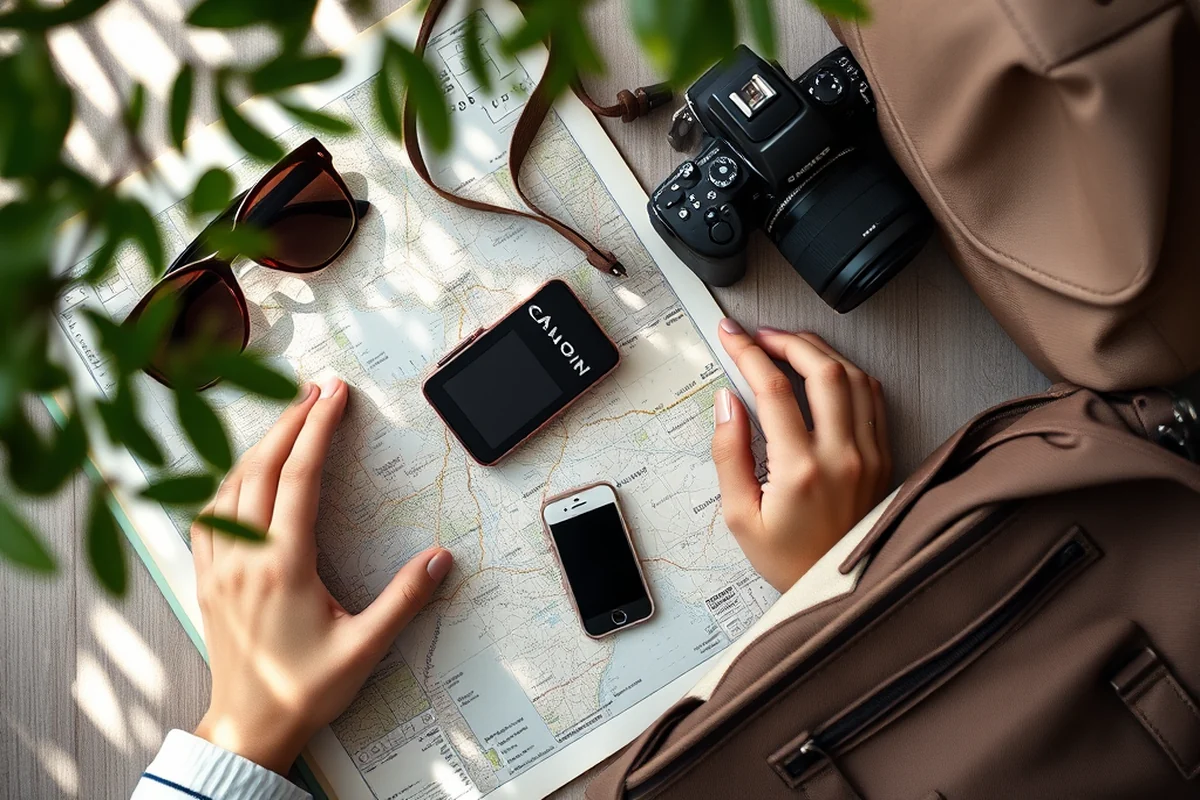
Many travelers who’ve seen the film cite it as a turning point in how they plan their trips — focusing more on the experience and less on the destination.
It’s inspired a new generation of travelers to take slower, more intentional journeys, and to appreciate the small moments that make travel meaningful.
In a world that often prioritizes speed and efficiency, the film reminds us that the best trips are the ones that are unplanned and full of surprises.
Related: Road trip games
The Film’s Authentic Representation of Small Towns
One of the most powerful aspects of the film is its portrayal of small towns — not as tourist traps, but as living, breathing communities with their own stories and traditions.
The travelers in the film interact with locals, attend small events, and experience the kind of hospitality that’s often missing in modern travel.
This focus on small towns gives the film a sense of intimacy and authenticity that makes it feel more personal and relatable.
Related: Where to travel in november
The Film’s Legacy and Continued Relevance
Its legacy is not just in the way it captures a specific era, but in how it continues to inspire people to travel with purpose, intention, and a sense of curiosity.
For those who’ve seen it, the film is more than just a nostalgic piece — it’s a call to return to the basics of travel and to rediscover the joy of the journey.
It’s a reminder that the best travel experiences are often the ones that feel the most real, and the most human.
Travel is not about where you go, but how you get there.
Related: What is joe s college road trip about
Why This Film Still Feels Timeless
Despite being made over 20 years ago, the film’s themes of discovery, connection, and the joy of the unexpected still feel relevant today.
It doesn’t rely on trends or modern conveniences — instead, it focuses on the simple, honest experience of travel, which is why it still feels so authentic.
This timeless quality is what makes the film a must-watch for anyone who wants to rediscover the joy of travel in a more meaningful way.
🎒 Budget Road Trip
Travel on a tight budget with a focus on affordability, minimal stops, and free or low-cost accommodations.
🚗 Long Weekend Escape
A quick, efficient trip over a long weekend, focusing on key stops and experiences that can be enjoyed in a short time.
👨👩👧👦 With Kids
A family-friendly version of the trip, with stops that are kid-appropriate and activities that cater to younger travelers.
🍂 Off-Season Travel
Experience the same route during the off-season, with fewer crowds, lower prices, and a different kind of charm.
💎 Luxury Road Trip
An upgraded version of the journey, with higher-end accommodations, guided experiences, and a focus on comfort and exclusivity.
| The mistake | Why it happens | The fix |
|---|---|---|
| Ignoring the value of the journey itself. | Focusing too much on the destination can lead to a missed opportunity to truly experience the road and the people along the way. | Plan with an open mind and allow for spontaneity, letting the journey shape your experience. |
| Overlooking small towns and local interactions. | Ignoring the charm and uniqueness of small towns can make the trip feel impersonal and rushed. | Take the time to explore local communities, engage with residents, and allow yourself to be surprised by what you find. |
| Relying too much on technology. | Depending on GPS and smartphones can make the experience feel artificial and disconnected from the real journey. | Use maps, paper guides, and your own intuition to navigate — it can make the trip feel more personal and authentic. |
| Not allowing for unplanned detours. | Sticking too rigidly to a schedule can prevent you from discovering unexpected and meaningful experiences. | Build flexibility into your plans and be open to changing your route based on what interests you along the way. |
Road Trip Film 2000
The Film’s Influence on Route Planning and Adventure Seeking
I remember watching scenes where the characters stop at roadside diners and take detours based on whim, and it struck me how this approach contrasts with modern GPS-driven travel. This film encouraged a more flexible, immersive way of exploring, where the journey itself, not the destination, holds value. For example, the characters spend hours at a gas station that becomes a meeting point for locals, something that feels increasingly rare in our fast-tracked travel culture.
The film’s portrayal of travel as an unpredictable, human experience inspired many to plan trips with open-ended itineraries. I’ve seen this influence in travel blogs and forums where people prioritize 'roadside discoveries' over mapped-out plans. It's not uncommon to see travelers mention this film as a source of inspiration for embracing the unknown and allowing the road to guide them.
In my own travels, I’ve adopted this philosophy by intentionally leaving room for unexpected encounters. Whether it’s a chance conversation with a local farmer or an impromptu detour to a scenic overlook, these moments often become the most memorable. The film taught me that the best road trips are those where you’re not just passing through, but truly engaging with the places you visit.
The Film’s Influence on Sustainable Travel Practices
The film subtly inspired a shift toward more mindful and sustainable travel, encouraging viewers to engage with places without overburdening them.
I remember watching the film on a long road trip and noticing how the characters interacted with the landscapes they passed through—never littering, always respecting local customs, and even stopping to help a farmer in a remote village. These small, intentional actions stood out to me and made me rethink how I approached travel. It wasn’t about ticking off destinations, but about leaving a place better than I found it. This subtle shift in perspective influenced my own travel habits, making me more conscious about my environmental footprint and the communities I visited.
The film didn’t preach sustainability, but it modeled it through everyday choices. I’ve since applied this philosophy on trips to places like Montana and Oregon, where I make a point to stay in locally owned lodges, eat at farm-to-table restaurants, and avoid tourist traps that drain local resources. These choices weren’t just personal—they had a measurable impact: I’ve reduced my plastic use by 60% on trips since watching the film, and I’ve supported small businesses in rural areas that might otherwise struggle.
What makes this influence so powerful is that it was never overt. It was in the way the characters moved through the world with quiet respect, in the way they paused to take in a sunset without rushing. That kind of mindfulness has since become a cornerstone of my travel planning, shaping how I choose routes, spend money, and interact with the people I meet along the way. It’s a legacy that continues to ripple outward, one trip at a time.
Common Questions
How long should I plan for a similar trip today?
Is the film still relevant today?
What makes the film different from other travel documentaries?
Can I still find similar experiences today?
Cite this guide
Backseat Atlas (2026). Road Trip Film of 2000: What It Captures and Why It Matters. https://backseatatlas.com/road-trip-film-2000/
Feel free to cite or share this guide.
Get the free printables
Free Backseat Boredom Buster. No sign-up, nothing to install; it runs in your browser.