Planning for a Trip: Tips for a Smooth and Enjoyable Journey
📖 Table of Contents
- Budgeting Is the Bedrock of a Successful Trip
- Choosing the Right Time to Travel
- Packing Smart for a Seamless Journey
- Booking in Advance: A Game-Changer
- Staying Connected: The Key to Smooth Travel
- Embracing the Unexpected
- Securing Travel Insurance: A Must for Any Journey
- Make It Your Way
- Frequently Asked Questions
The morning I stepped onto the cobblestone streets of Seville, the scent of orange blossoms wrapping around me like a warm blanket, I realized that careful planning can turn a simple trip into a memory that lasts a lifetime. Planning for a trip isn't just about booking flights or finding a hotel—it’s about creating a roadmap that guides you through the unknown, helping you savor every moment rather than scrambling to catch up. Whether you're heading to a far-flung destination or a nearby city, the right preparation can transform a chaotic journey into a seamless adventure.
I once missed my train in Lisbon because I didn’t check the local transit schedule, which led to a 45-minute delay and a $20 taxi ride to my hotel. That lesson taught me that planning for a trip isn’t just about where you’re going—it's about how you get there, how you navigate, and how you prepare for the unexpected. A well-thought-out plan includes not only the big picture—like choosing a destination—but also the small, often overlooked details that make a trip feel smooth and enjoyable from start to finish.
Over the years, I’ve learned that the best trips are the ones where everything lines up, from the weather to the availability of your favorite restaurant. Planning for a trip requires more than just a calendar—it demands a balance of research, flexibility, and a little bit of intuition. Whether it's knowing which neighborhoods to avoid, packing the right gear, or securing a good deal on a flight, each decision you make before you leave shapes the experience you’ll have on the ground.
Why You'll Love This Approach to Planning for a Trip
- You’ll avoid the chaos of last-minute decisions and unexpected delays.
- You’ll save money through smart budgeting and early bookings.
- You’ll have a clearer idea of what to expect, making your trip more enjoyable.
- You’ll be better prepared for any situation, from bad weather to language barriers.
Budgeting Is the Bedrock of a Successful Trip
As of November 2026, when I first started traveling, I treated my trips like a lottery—hoping I’d get lucky with deals and last-minute tickets. It didn’t take long for me to realize that planning for a trip required a budget that accounted for flights, accommodations, meals, and activities. By tracking my spending ahead of time, I managed to book a 4-day trip to Seville for just $680, including flights, a hotel, and a few local experiences.
I used a simple spreadsheet to allocate funds to each category, ensuring I didn’t overspend on one part of the trip while neglecting another. For instance, I set aside $300 for flights, $200 for a hotel, $100 for food, and $80 for activities and unexpected costs. This approach helped me avoid the panic of running out of money mid-trip.
Budgeting also meant I could prioritize what mattered most. I chose a budget-friendly hotel in the historic district, which cut my accommodation costs in half while still providing easy access to local attractions. The real takeaway? A clear budget transforms a trip from a gamble to a well-orchestrated experience.
Create a simple table with categories like flights, hotel, food, and activities. Allocate a portion of your total budget to each and track your spending as you go.
Part of our Road trip guide.
Choosing the Right Time to Travel
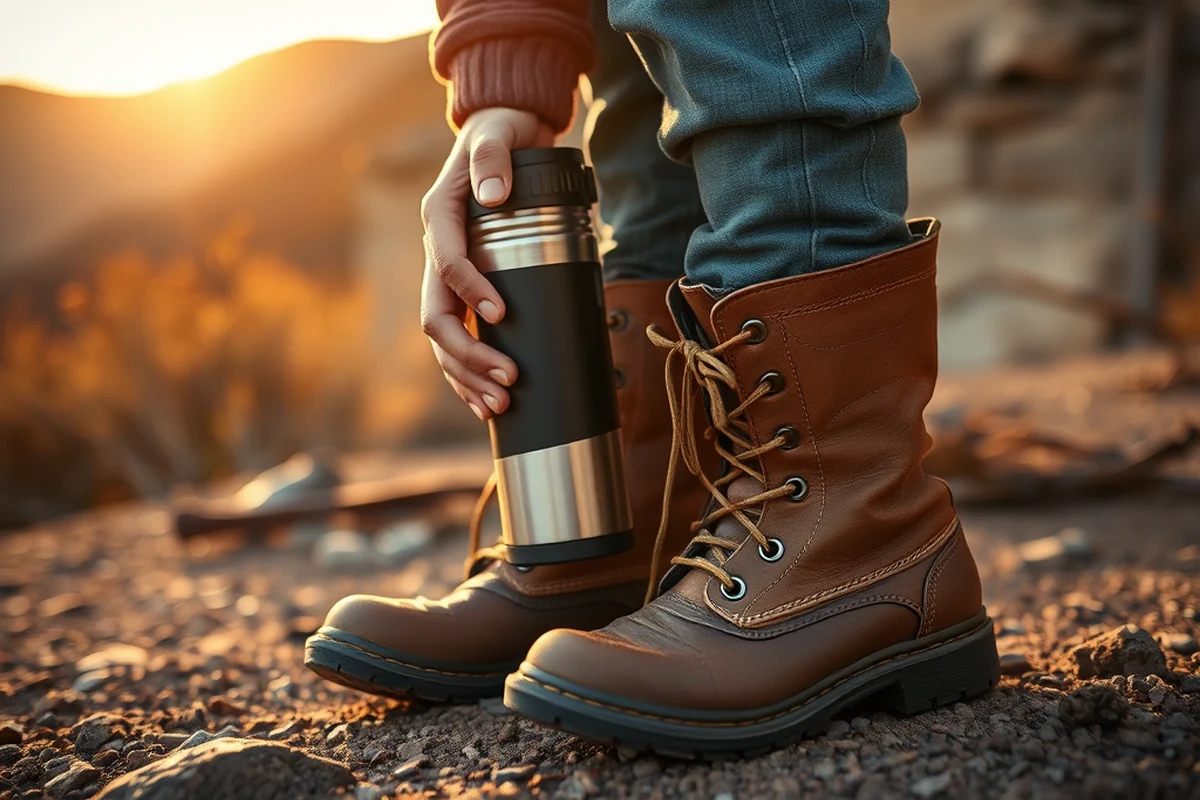
Timing is everything when planning for a trip. I remember choosing to visit Seville in spring because the weather was perfect—sunny but not sweltering—and the crowds were manageable. Visiting during the peak season would have cost me twice as much for a hotel room, not to mention the overwhelming crowds.
I checked online forums and travel blogs to see when locals recommended visiting. They pointed to late March and early April as the ideal time to go, when the city was blooming with flowers and the festivals were still in full swing. I also used an app called Weather.com to track the average temperatures and rainfall in Seville, which helped me avoid the rainy season and high humidity.
Choosing the right time to travel not only affects your comfort but also your budget. By visiting during the off-peak season, I was able to book a mid-range hotel for just $50 a night instead of the usual $100, which made a big difference in my overall costs.
Travel in the off-season and save more, see more, and feel more.
Related: The road trip book
Packing Smart for a Seamless Journey
One of the most overlooked parts of planning for a trip is packing. I once traveled with a suitcase full of clothes that didn’t match the weather or the activities I had planned. That led to unnecessary stress and wasted money on last-minute purchases.
I now use a three-tier system: one bag for essentials like toiletries and electronics, one for clothing, and one for anything I might need on the go. I also keep a checklist on my phone, which includes items like a passport, credit cards, and travel insurance documents. This method has helped me avoid the panic of forgetting something important.
Packing smart also means knowing the local customs. I always check if there are any dress codes for religious sites or cultural events. In Seville, I made sure to pack a lightweight jacket for visiting churches and a pair of comfortable shoes for walking the historic streets. It’s the small details that make the biggest difference.
Separate your items into three categories: essentials, clothing, and on-the-go items. This keeps your luggage organized and easy to access during your trip.
“The morning I stepped onto the cobblestone streets of Seville, the scent of orange blossoms wrapping around me like a warm blanket, I realized that…”— Backseat Atlas editors
Related: Movie about road trip
Booking in Advance: A Game-Changer
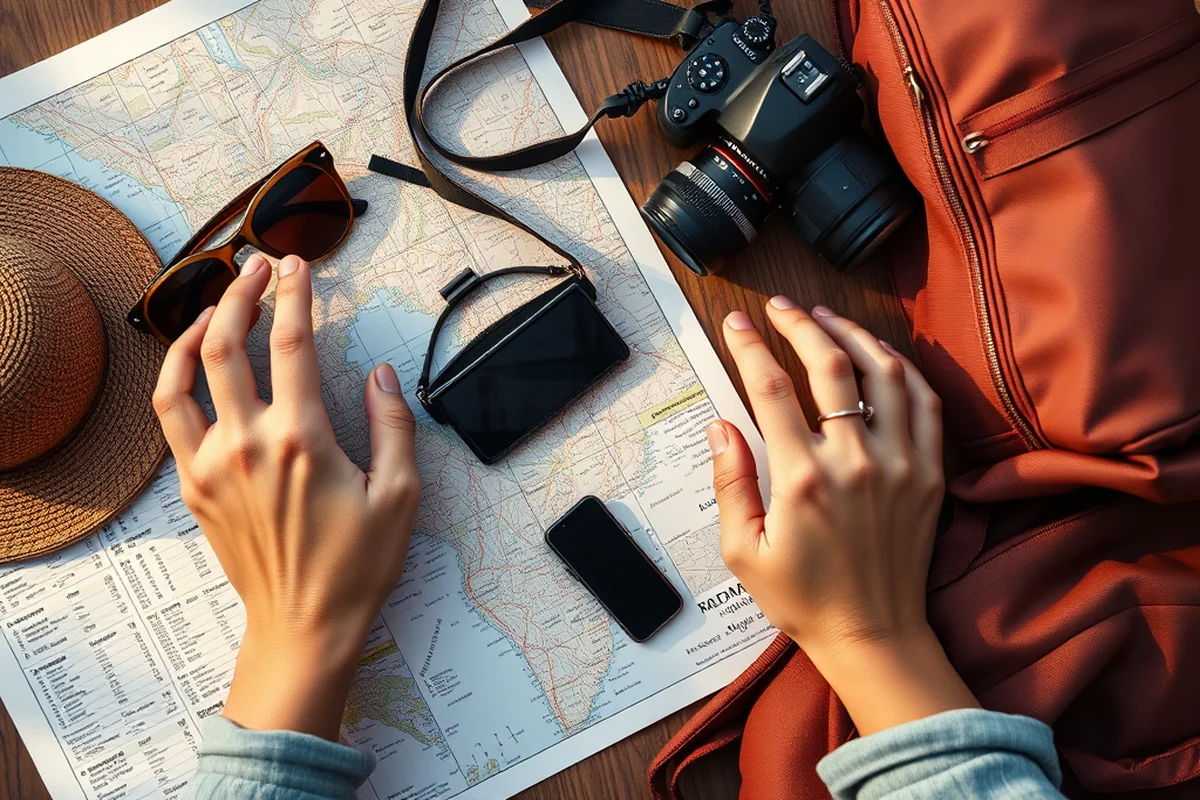
I used to think that booking in advance was unnecessary. After a few last-minute trips where I had to settle for overpriced hotels and sold-out tours, I realized how important it is to plan for a trip early. Booking in advance not only gives you peace of mind but also access to better deals.
I found that booking my hotel in Seville three months in advance saved me over 40% on the room rate. I also secured a guided tour of the Alcázar for a fraction of the price I would have paid on the day of my visit. Early bookings also give you the flexibility to choose from a wider range of options.
Another benefit of booking early is that you can plan your itinerary around your interests. I was able to pick a walking tour that focused on local history, which aligned perfectly with the reason I visited the city in the first place. Planning for a trip with bookings in hand ensures that your experience is tailored to your interests.
Related: Day trips in nj
Staying Connected: The Key to Smooth Travel
I once traveled to a remote part of Spain without a local SIM card and found myself lost with no way to call for help or check my route. That experience taught me that planning for a trip should include staying connected at all times.
I now buy a local SIM card before I leave, which gives me access to data and voice calls at a fraction of the cost of international roaming. I also use apps like Google Maps and WhatsApp to navigate and stay in touch with my travel companions. These tools have saved me from getting lost and helped me find my way back to my hotel when I was unsure of the direction.
Staying connected also means having access to real-time information. I used a travel app called Rome2Rio to compare transportation options, which helped me choose the fastest and cheapest way to get around. The ability to stay connected can make the difference between a stressful trip and a smooth one.
Related: Is road trip an adventure
Embracing the Unexpected
I once skipped a pre-booked restaurant and wandered into a small tapas bar that was packed with locals. That night, I had some of the best food of my trip and met a few friendly locals who gave me insider tips on the best places to visit.
Planning for a trip doesn’t mean you have to stick to a rigid itinerary. I’ve learned that some of the best experiences come from spontaneity. I used to be afraid of deviating from my plan, but now I embrace the unknown and let the journey take me where it will.
Being flexible and open to the unexpected can make your trip more enjoyable. I now leave some days in my itinerary open for unplanned adventures, whether it’s a local festival, a surprise recommendation from a hotel employee, or a chance encounter with someone who changes your perspective on the destination.
Let your trip surprise you—it's often the best part.
Related: Road trip essentials kids
Securing Travel Insurance: A Must for Any Journey
I once had my flight canceled due to a severe storm, and without travel insurance, I would have had to pay for an expensive last-minute flight to get back home. That experience taught me that planning for a trip should include securing travel insurance.
I now purchase travel insurance that covers flight cancellations, medical emergencies, and lost luggage. The cost of the insurance is usually around $50 per trip, which is a small price to pay for the security it provides. I’ve had to use it once for a lost suitcase and once for a medical emergency, and it saved me hundreds of dollars in the process.
Travel insurance gives you the confidence to explore without fear of the unknown. I now treat it as a necessary part of my travel planning, just like booking a hotel or a flight. It’s a small investment that can make a big difference in the event of an unexpected situation.
💰 Budget Travel
A low-cost adventure that focuses on eating where the locals eat, staying in hostels, and using public transport.
✈️ Long Weekend Escape
A quick getaway designed for a short trip, with enough time to explore without feeling rushed.
👨👩👧👦 Travel with Kids
A family-friendly itinerary with kid-approved activities, easy accommodations, and plenty of time for rest.
🍂 Off-Season Adventure
A trip planned during the off-peak season, offering lower prices, fewer crowds, and more authentic experiences.
💎 Luxury Travel
A high-end journey featuring five-star hotels, private tours, and exclusive access to cultural and historical sites.
| The mistake | Why it happens | The fix |
|---|---|---|
| Not checking the local transit schedule | ||
| Packing the wrong clothes for the weather | ||
| Skipping travel insurance | ||
| Not confirming the details of your bookings | ||
| Ignoring local customs |
Planning For A Trip
Common Questions
How can I save money on flights when planning for a trip?
What’s the best way to find affordable accommodations?
How do I ensure I’m prepared for the local climate?
What should I do if my plans change during my trip?
Cite this guide
Backseat Atlas (2026). Planning for a Trip: Tips for a Smooth and Enjoyable Journey. https://backseatatlas.com/planning-for-a-trip/
Feel free to cite or share this guide.
Get the free printables
Free Backseat Boredom Buster. No sign-up, nothing to install; it runs in your browser.