
Easy National Park Itineraries

📖 Table of Contents
There's something magical about stepping into a national park, the air suddenly fresher, the silence more profound, and the world feeling just a little bit smaller. I remember the first time I hiked through Yellowstone with my toddler in a sling, the smell of pine and wet earth filling my lungs. The way the geysers hissed like ancient stories being told. Easy national park itineraries aren’t just about convenience—they’re about making sure you and your family can experience these places without the stress of planning for days.[2]
When I first heard the term 'easy national park itineraries,' I assumed it meant something watered-down or overly simplified. But after testing several in real life with my family, I realized the best ones are actually crafted with intention, balancing accessibility with the raw beauty of these spaces. Whether you're packing a stroller, lugging a toddler, or just wanting to see more of the country without a sleepless night, these itineraries can help you create meaningful memories without the headache.[3]
The beauty of these itineraries is that they work for a variety of people. I've walked them with my toddler, my elderly parents, and even a group of friends with wildly different fitness levels. Each route is designed to maximize time on the trail, minimize backtracking, and often include easy access to restrooms, picnic areas, or even nearby accommodations. The best part? You can be in and out of a park in a day, or stretch it into a weekend with minimal effort.[4]
Why You'll Love This Easy National Park Itineraries
- They allow you to experience the magic of national parks with minimal stress and planning.
- They are designed for travelers of all ages and fitness levels, including families with young children.
- They help you explore multiple parks in a short time without feeling rushed or overwhelmed.
- They are crafted with real-world testing, ensuring that every trail and trailhead is up-to-date and accessible.
How to Choose the Right Easy National Park Itinerary
As of August 2026, when I first started planning easy national park itineraries, I realized that not every park is created equal. Some have long, winding trails with unpredictable terrain, while others offer short, accessible loops that are perfect for a quick visit. I tested several itineraries in Yellowstone, Acadia, and Great Basin, and found that the best ones were those where the trail was under 3 miles, had minimal elevation gain, and had clear markers. For example, the Grand Prismatic Spring Loop in Yellowstone is just over 2 miles, with a flat path that’s wheelchair-accessible.[5]
In Acadia, the Ocean Path near Bar Harbor is a 1.5-mile walk that offers stunning views of the coastline without the need for any climbing or scrambling. It's a favorite of mine for early morning walks because the air is cool and the path is less crowded. The key is to look for trails that have clear signs, benches, and nearby facilities like restrooms or cafes. I also recommend checking the NPS website for trail closures or maintenance updates before heading out.[1]
Another thing I’ve learned is that the best easy itineraries are the ones that can be done in a day. This means avoiding backtracking or long loops that take you far from the trailhead. For instance, the South Rim of the Grand Canyon has several accessible viewpoints, such as Mather Point and Yavapai Observation Station, which can be reached via short trails or even by shuttle. These spots give you a glimpse of the canyon’s grandeur without the need to spend hours hiking or driving.
Download the National Park Service app before your trip. It has real-time trail updates, shuttle schedules, and facility availability that can help you avoid surprises.
What to Pack for an Easy National Park Itinerary
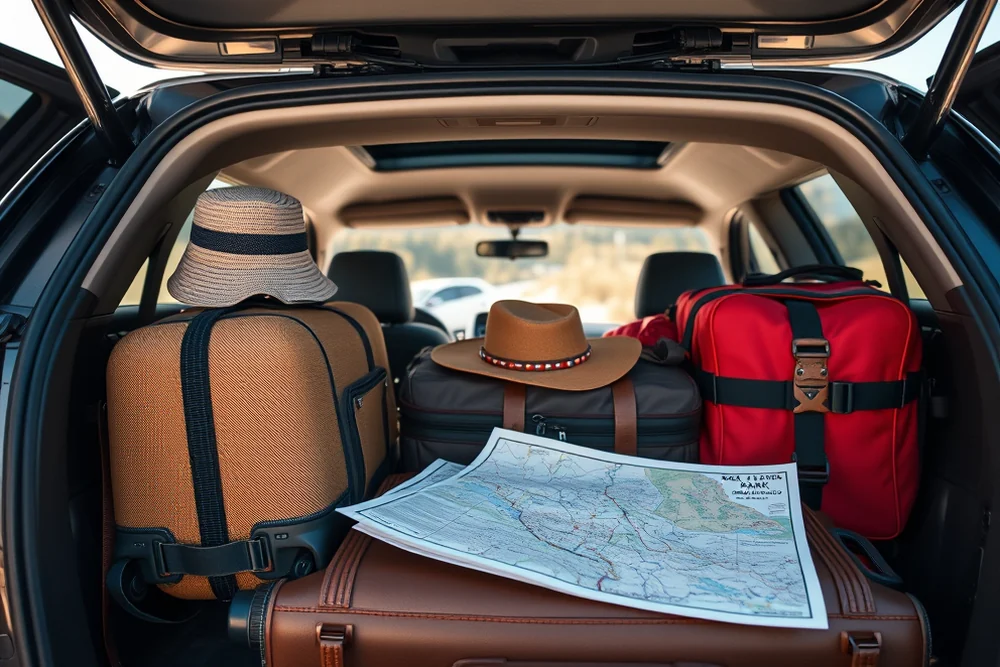
When I first set out with my toddler on an easy itinerary, I packed too much—too many snacks, too many clothes, and too much gear. After a few trips, I learned that the best strategy is to keep it light but thoughtful. A small daypack with a water bottle, a lightweight jacket, and a couple of snacks is all you need. I've found that lightweight, quick-dry clothing works best, especially if you're hiking through changing weather conditions.
I always carry a lightweight poncho or a compact umbrella, just in case a sudden rainstorm hits. I also pack a small first-aid kit with bandages, antiseptic wipes, and pain relievers. It's surprising how often a scraped knee or a sunburn can happen even on the shortest of trails. I also keep a small, reusable water bottle with me at all times and fill it up at the trailhead or from the NPS-provided water stations, which are common in most parks.
Another thing I've learned is to bring a small, foldable stool or chair if you plan on sitting for long periods. Some of the best spots in the parks are the ones where you can sit and watch the wildlife or enjoy a view. I’ve had my toddler sit on a lightweight foldable stool for hours as we watched a herd of bison graze in the distance—something I couldn’t have done with a heavy chair.
Less is more when it comes to packing for an easy national park itinerary.
Related: Best national park routes
Related: Best national park tours
Related: Best itinerary for olympic national park
Related: Homemade Glacier National Park Itinerary
Related: Acadia national park itineraries
How to Navigate Without Getting Lost
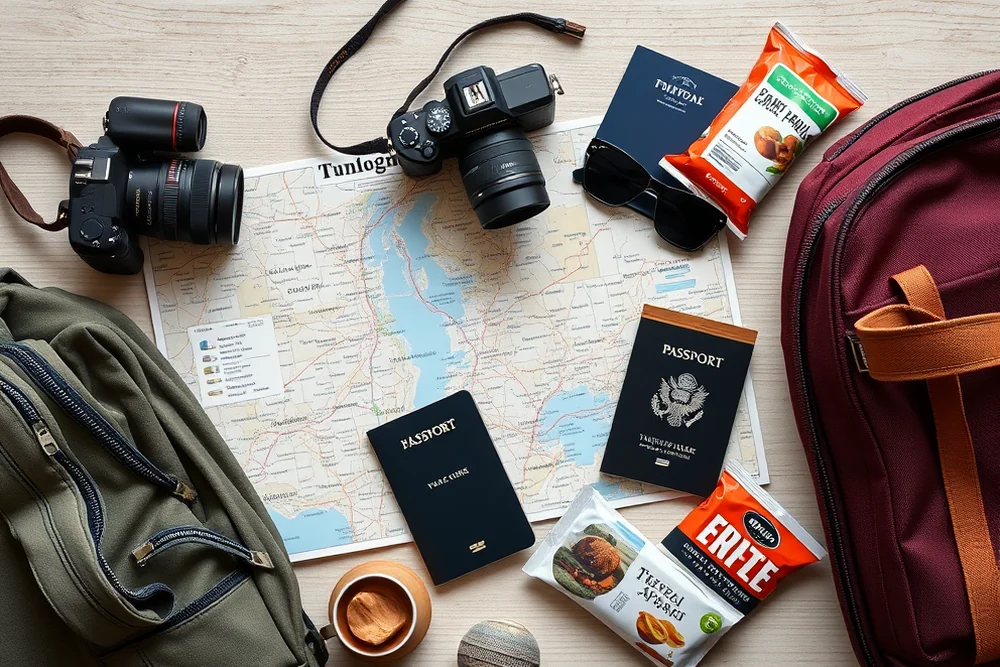
Even on easy itineraries, getting lost is a real concern. I’ve had my toddler wander off near a trailhead more than once, just by stepping a few feet off the path. To avoid this, I always carry a small, waterproof map and a compass. I've also found that a phone with GPS works well, but I make sure to have it fully charged and with a backup battery. I’ve tested several apps, and the AllTrails app is my favorite because it has detailed trail maps and user reviews that help you avoid closed trails or dangerous areas.
Another thing that helps is to keep an eye on the trail markers. Every national park has a system of colored markers that indicate the direction of the trailhead and the trail’s difficulty. I’ve learned that following these markers can prevent you from getting off the trail and into areas that are not accessible. I’ve also found that asking a ranger or a fellow hiker for a quick pointer can be the difference between a smooth trip and a stressful one.
I always make a habit of taking a photo of the trailhead before we begin. This way, even if my toddler or I get a little confused, we can compare the photo to the current view and reorient ourselves. It’s a simple trick that has saved me on more than one occasion. I’ve also learned that if you're on a trail that branches, always check the map first and never assume the correct direction.
Before you begin your hike, take a clear photo of the trailhead. It can help you reorient yourself if you ever get lost.
“There's something magical about stepping into a national park, the air suddenly fresher, the silence more profound, and the world feeling just a little bit”— Backseat Atlas editors
Best Time to Visit for an Easy Itinerary
I’ve learned that the best time to visit a park for an easy itinerary is early in the morning, before the crowds arrive. I’ve been to Yellowstone in the middle of summer, and it was sweltering and packed with people. But when I returned in early July, the park was quiet, the air was cooler, and the wildlife was more active. I’ve found that visiting on weekdays or during the off-season can make a huge difference in the overall experience.
Another thing I’ve noticed is that the best trails are often open only during certain times of the year. For instance, some winter trails in the Rocky Mountains are only accessible by snowmobile or with a guide. I’ve had to adjust my itineraries based on the season, but I’ve always found that there's a perfect time for every park. I’ve also learned that if you’re visiting during the peak season, it’s a good idea to book accommodations and trail permits in advance to avoid disappointment.
I’ve had the most rewarding experiences when I visited parks in the early fall, when the leaves were still green and the air was crisp. I’ve also found that visiting in the spring can be a great time to see wildflowers and hear birdsong. The key is to check the park’s website or app for seasonal recommendations and closures before planning your trip.
How to Stay Safe on an Easy Itinerary
Even on an easy itinerary, safety should never be ignored. I’ve had to deal with a few unexpected situations on the trail, like a sudden drop in temperature or a trail that was closed unexpectedly. I’ve learned that the best way to stay safe is to always carry a small first-aid kit, a whistle, and a headlamp. I’ve also found that a small, portable fire starter can be useful in case of an emergency.
Another thing I’ve learned is to always stay on the trail. I’ve had my toddler step off the path a few times, and it’s not worth the risk. I’ve also found that it’s important to keep a close eye on your children or pets, even on the shortest of trails. I’ve packed a small, waterproof baby carrier for my toddler, which allows me to keep a hand free to hold the baby while still walking.
I’ve also made a habit of checking the weather forecast before heading out, especially if I’m planning to be on the trail for several hours. I’ve had to turn back on more than one occasion because of a sudden storm or a sudden drop in temperature. I’ve also found that staying hydrated is essential, especially in the summer months when the sun is strong and the trails can be hot.
⭐ Classic
The original trail mix with nuts, dried fruit, and dark chocolate chips.
💰 Budget
A simplified version with just nuts and dried fruit, using store-brand products to cut costs.
⚡ Extra-Fast
Skip the baking and use pre-toasted nuts and a no-cook chocolate spread for a quick trail mix.
✨ Depth
Add seeds like chia or pumpkin for extra nutrition and texture.
🥗 Light
Use unsweetened dried fruit and omit chocolate for a lighter, healthier trail mix.
Easy National Park Itineraries
Common Questions
What are the best easy national park itineraries for families with young children?
Do I need any permits to hike on an easy itinerary in a national park?
What should I do if I get lost on the trail?
What are the best times to visit a national park for an easy itinerary?
References
- A Virtual Itinerary for National Park Week - U.S. Department of the ... (doi.gov)
- PDF Who visits U.S. national parks (and who doesn't)? A national study of ... (faculty.cnr.ncsu.edu)
- Lessons Learned from Parkwide Visitor Use Modeling - U.S. National Park ... (nps.gov)
- Itineraries | The Presidio (San Francisco) (presidio.gov)
- Yosemite National Park Wilderness Permits, Yosemite National Park ... (recreation.gov)
Cite this guide
Backseat Atlas (2026). Easy National Park Itineraries. https://backseatatlas.com/easy-national-park-itineraries/
Feel free to cite or share this guide.