
National Park Itineraries For Beginners
📖 Table of Contents
- Choosing the Right National Park for Your First Trip
- Building a 3-Day Itinerary: A Step-by-Step Guide
- What to Pack: Essential Items for Your National Park Adventure
- Managing Time and Energy: The Key to a Successful Trip
- Staying Safe in the Wild: Tips for First-Time Visitors
- Make It Your Way
- Frequently Asked Questions
I remember my first trip to a national park like it was yesterday — standing at the edge of the Grand Canyon, wind whipping my hair, my backpack feeling both too heavy and too light. I had no idea where to start, no map, no plan. I just had a camera and a desperate hope that the park would somehow show me what to do. That was my first lesson: national park itineraries for beginners don’t have to be complicated, but they do have to be thoughtful. With the right preparation, even a first-timer can enjoy the majesty of these spaces without feeling overwhelmed.[2]
National parks are more than just landscapes; they’re living, breathing ecosystems that offer something for everyone. Whether you're an avid hiker, a casual stroller, or a photography enthusiast, there's a way to experience these parks that fits your pace and interests. My journey taught me that the key to a great trip is starting with a solid itinerary — one that balances adventure with rest, sightseeing with reflection. And yes, it's not just about the parks themselves, but about how you move through them, how you prepare, and how you listen to what they have to offer.[3]
If you're one of those people who looks at a map of a national park and feels lost, I get it. That's why I've crafted this guide — a practical, real-world approach to national park itineraries for beginners. It's not about doing everything, but about doing what matters. It's about understanding that a great trip doesn't require you to be an expert. It's about knowing where to go, what to bring, and how to make the most of the time you have. Let me walk you through how to build a trip that feels like an adventure — without the stress.[1]
Why You'll Love This Guide to National Park Itineraries for Beginners
- Simple, actionable advice tailored for first-time visitors
- Concrete examples and real-life scenarios from my own trips
- Tips on balancing time, effort, and enjoyment for a stress-free experience
- Insights that turn overwhelming park maps into easy-to-follow routes
Choosing the Right National Park for Your First Trip
As of August 2026, when choosing a national park for the first time, consider accessibility, trail difficulty, and available amenities. For example, Yellowstone National Park offers a mix of easy boardwalk trails and more challenging backcountry routes, making it a good choice for first-time visitors. In contrast, a park like Denali might be too remote for someone without a car or experience with backcountry travel.[4]
Another key factor is the time of year. Some parks, like Rocky Mountain National Park, are best visited in the summer when trails are open and wildlife is more active. Winter visits can be beautiful but require more preparation, including proper gear and knowledge of snow conditions.[5]
Also, think about what you want to experience. If you're interested in wildlife, places like Everglades or Yellowstone are ideal. If you prefer scenic drives and easy walking, parks like Zion or Acadia offer a more relaxed pace. Researching and selecting the right park can make the difference between a trip that feels overwhelming and one that feels truly magical.
If you’re a photography enthusiast, consider parks like Grand Canyon or Glacier. If you’re looking for wildlife, Yellowstone or Everglades are better options. Pick a park that aligns with your interests for a more enjoyable trip.
Building a 3-Day Itinerary: A Step-by-Step Guide
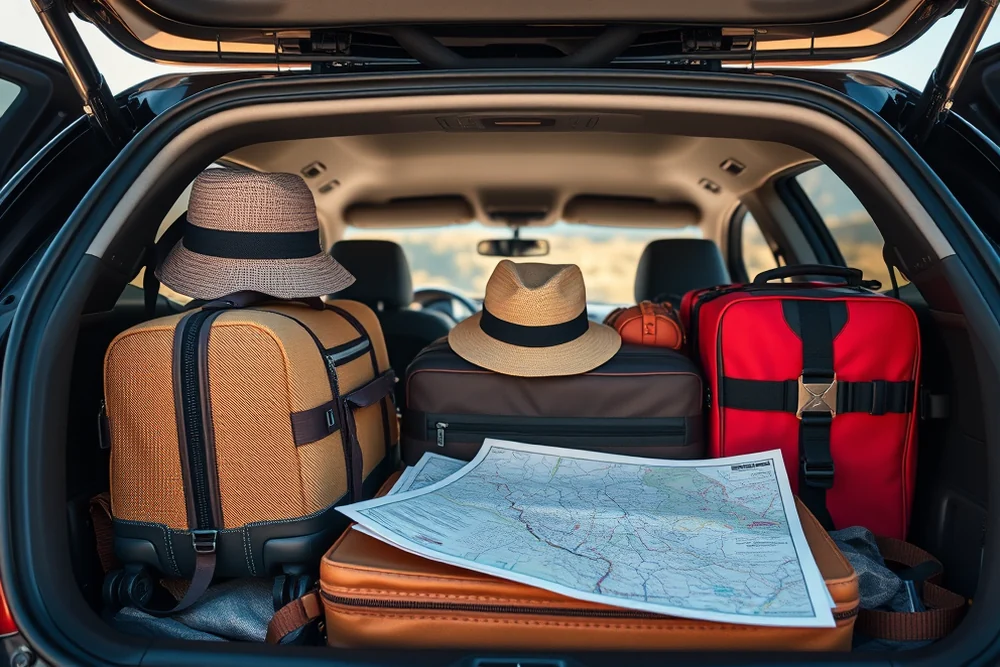
A 3-day itinerary in a national park can be both manageable and rich in experiences if planned carefully. Start by identifying the main attractions or areas you want to visit. For example, in Yosemite, you might prioritize visiting El Capitan, Half Dome. The Mist Trail on Day 1, spend Day 2 exploring the Valley Floor and Mariposa Grove, and use Day 3 for a longer hike or a relaxing day at the park's lakes.
Allocate time for meals, rest, and travel between destinations. It's easy to overestimate how much you can do in a day, so leave some flexibility in your schedule. Also, consider the difficulty of the trails and your physical ability. If you're new to hiking, avoid the most challenging routes on your first trip.
Use park maps and visitor centers as resources. They can give you up-to-date information about trail conditions, wildlife activity, and park events. A well-planned itinerary can turn a chaotic trip into a smooth and enjoyable experience.
A well-planned itinerary can turn a chaotic trip into a smooth and enjoyable experience.
Related: Easy national park itineraries
Related: Acadia national park itineraries
Related: National park itineraries
Related: National Park Trip Comparison
Related: Best national park trip
What to Pack: Essential Items for Your National Park Adventure
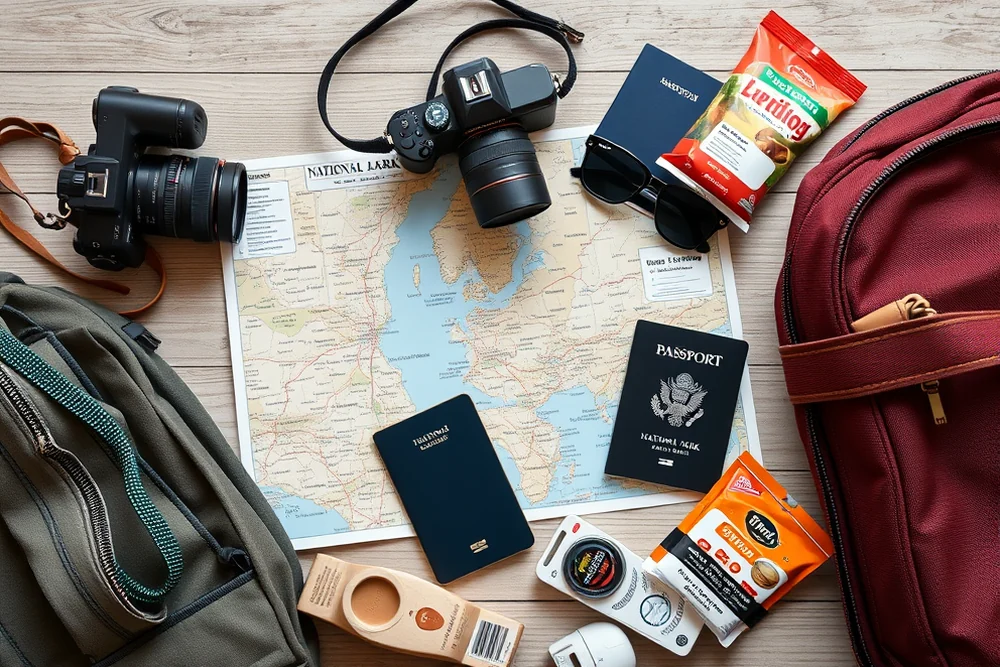
When packing for a trip to a national park, the rule of thumb is to bring the essentials: water, food, layers, and a first-aid kit. You'll also want to pack comfortable shoes, a backpack, and weather-appropriate clothing. In the summer, lightweight and breathable fabrics work best, while in the winter, insulated layers and waterproof gear are essential.
Don't forget to pack navigation tools, such as a map and compass, even if you have a smartphone. Many parks have limited cellular service, so relying solely on GPS can be risky. Also, consider bringing a headlamp or flashlight in case of unexpected delays or early departures.
Other important items include sun protection (sunglasses, hat, sunscreen), insect repellent, a reusable water bottle, and a camera to capture the beauty around you. A well-prepared backpack can make the difference between a comfortable and a miserable trip.
Use a checklist to make sure you're not forgetting anything crucial. Prioritize items that are essential for your safety and comfort, and avoid overpacking. A lighter pack means less strain on your body and more freedom to enjoy the scenery.
“I remember my first trip to a national park like it was yesterday — standing at the edge of the Grand Canyon, wind whipping my…”— Backseat Atlas editors
Managing Time and Energy: The Key to a Successful Trip
One of the biggest mistakes first-time visitors make is trying to do too much in too little time. It's important to pace yourself and avoid exhaustion. For example, if you're planning a day of hiking, don't overestimate how long you can walk or how far you can go. Take regular breaks and listen to your body.
Also, be realistic about how much time you have. If you're only visiting for a day, prioritize one or two main attractions and avoid spreading yourself too thin. On the other hand, if you have multiple days, plan your itinerary so that you can explore different areas of the park without feeling rushed.
Managing energy also means knowing when to rest. Don’t be afraid to take a break or return to your accommodation if you're feeling tired. A successful trip is about balance — between activity and rest, between adventure and comfort.
Staying Safe in the Wild: Tips for First-Time Visitors
Staying safe in the wild starts with preparation and awareness. Always inform someone of your plans before heading out, and carry a fully charged phone with you. Even if you have a GPS, it's a good idea to bring a paper map as a backup.
Be cautious of wildlife, especially in parks like Yellowstone or Yosemite. Keep your food stored properly, avoid hiking alone at night, and never approach or feed animals. Also, be aware of your surroundings and watch for signs of changing weather conditions.
When hiking, stay on designated trails, and be mindful of your footing, especially on rocky or uneven terrain. If you're unsure about a trail's difficulty, ask a ranger or check the park's website for information. Safety should never be an afterthought — it's the foundation of a great national park experience.
⭐ Classic
The original trail mix with a balanced mix of nuts, fruit, and chocolate for a satisfying snack.
💰 Budget
A no-frills version using basic ingredients like oats, raisins, and peanut butter for a cost-effective option.
⚡ Extra-Fast
A no-bake version that skips the oven and uses a food processor for a quick and easy trail mix.
✨ Depth
A more complex trail mix with additional ingredients like coconut, seeds, and dark chocolate for added flavor and nutrition.
🥗 Light
A low-calorie, high-fiber version with more fruit and less fat for a lighter, healthier snack.
National Park Itineraries For Beginners
Common Questions
What should I do if I get lost in a national park?
How can I stay safe from wildlife?
What should I wear for a day hike in a national park?
How should I plan a multi-day trip to a national park?
References
- PDF Who visits U.S. national parks (and who doesn't)? A national study of ... (faculty.cnr.ncsu.edu)
- Lessons Learned from Parkwide Visitor Use Modeling - U.S. National Park ... (nps.gov)
- PDF A visitor use study of the Wilderness Areas of Everglades National Park (research.fs.usda.gov)
- Camping Itineraries to Explore the Best of Land and Sea: (sanctuaries.noaa.gov)
- National Park Service (NPS) | USAGov (usa.gov)
Cite this guide
Backseat Atlas (2026). National Park Itineraries For Beginners. https://backseatatlas.com/national-park-itineraries-for-beginners/
Feel free to cite or share this guide.