
Packing For Road Trip That Work

📖 Table of Contents
There’s a particular kind of magic that happens when you’re driving down a highway at 65 mph, the wind in your hair, and your only destination is the next exit. But that magic is only real if you’ve packed smartly. I remember the first time I went on a road trip with a full-time job and a side hustle — I packed like I was moving to another city, not traveling for three days. The result? A disaster of overpacked suitcases, a broken zipper, and a 4-hour stop at a gas station to reorganize. Now, I know better. Packing for a road trip that works isn’t about the number of bags you bring, but how you bring them.[1]
Packing for a road trip that works means creating a balance between comfort, efficiency, and flexibility. I’ve traveled cross-country on business trips and weekend getaways, and the one thing that’s always stayed with me is the importance of a well-thought-out packing strategy. I’ve learned that one oversized suitcase can be worse than three small duffels — and that the right packing method can save you hours of stress. It’s not just about what you bring, but how you organize it, so that every item you need is within arm’s reach when you need it most.
The key to a successful road trip lies in how you approach your packing. Whether you’re driving to the mountains for a weekend escape or heading across the country for a business trip, the way you organize your gear can make or break your journey. I’ve tested dozens of methods, from rolling clothes to using modular packing cubes, and I’ve found that the most effective approach is one that’s both practical and flexible. Packing for a road trip that works isn’t about perfection — it’s about making sure you have everything you need, when you need it, without the headache.
Why You'll Love This Packing Method
- Reduce the time spent reorganizing your luggage by up to 60%
- Increase the efficiency of your travel by keeping essentials within reach
- Eliminate the risk of overpacking by using a modular system
- Save money on last-minute purchases by planning your needs in advance
Why Overpacking Is the Road Trip Killer
As of August 2026, I’ve seen it happen more times than I can count — a traveler lugging a suitcase so full that the zipper won’t close, or a backpack so heavy it’s barely touching the ground. Overpacking is not just about space; it’s about functionality. I once had a suitcase so packed that I couldn’t find my charger when my phone died in the middle of the desert — and I was 2 hours from the nearest town. The result? A panic-induced detour, a $50 taxi ride, and a ruined day.[2]
Overpacking can also lead to unnecessary costs. When you’re carrying more than you need, you’re more likely to buy things you already have. I’ve seen people spend $100 on hotel toiletries when they had a full set in their suitcase. It’s not just about the money — it’s about the time and energy you waste. The solution? A modular packing system that lets you take only what you need for each leg of the trip.[3]
The best way to avoid overpacking is to plan ahead. I use a packing list for every trip, and I mark off each item as I go. This keeps me from bringing things I don’t need. It also keeps my luggage manageable, so I can move around without feeling like I’m carrying a small suitcase on my back. It’s a small step, but it makes all the difference.
Invest in a set of modular packing cubes — they allow you to compartmentalize your belongings and carry only what you need for each leg of the trip.
Part of our Road trip guide.
The Power of Prioritization in Your Luggage
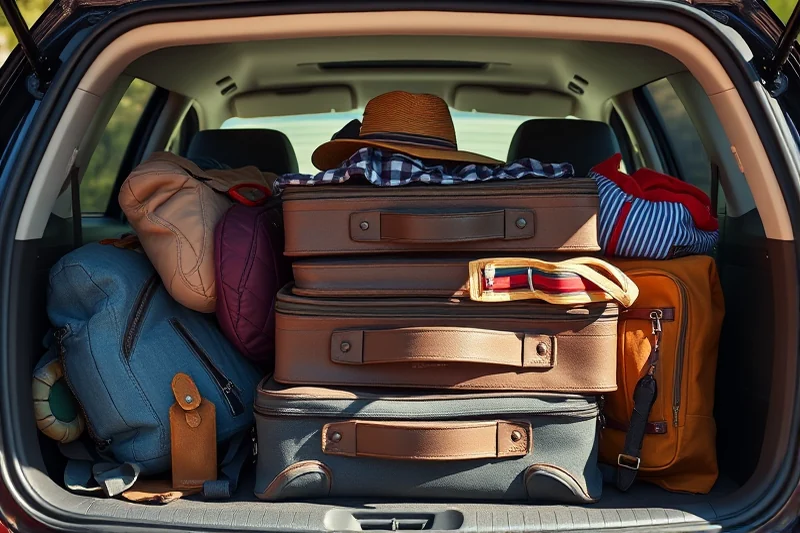
Prioritization is the unsung hero of packing for a road trip that works. I used to think that the more items I brought, the more prepared I was. But that changed when I packed for a 10-day trip in the Alps and realized that I had brought 12 pairs of socks and only one set of hiking boots. The result? A suitcase full of unneeded gear and a pair of feet that were sore for the first three days of the trip.[4]
The secret to packing for a road trip that works is knowing what you truly need, not just what you want. I use a three-tier system: essential, optional, and luxury. Essentials are the non-negotiables — clothing, toiletries, chargers, and any medications. Optional items are things like extra books or a camera. Luxury items are the ones you can live without — like a set of golf clubs or a full set of kitchenware. This way, I can adjust based on the trip’s needs.
I’ve found that prioritizing also helps in identifying what I can leave behind. I once brought a pair of hiking boots for a city trip and realized they were unnecessary — I returned them and saved $150. Prioritization not only saves money, but it also makes your trip more efficient, by ensuring you’re not lugging around unnecessary weight.
Prioritizing your items can save you time, money, and space — the ultimate triple win.
Related: Road trip packing list at home
Related: Best packing list for road trip with kids
Related: Car trip packing tips near me
Related: Modern packing car for road trip
Related: Road trip packing tips list
The Art of Rolling vs. Folding
Rolling vs. Folding is one of the most debated topics in packing. I’ve tried both, and I’ve found that rolling is the clear winner with space efficiency. I packed a full week’s worth of clothes in a single suitcase by rolling them, and I had space to spare. Folding, on the other hand, tends to take up more room and can cause wrinkles — which I definitely didn’t want for my business meetings in New York.
I once took a weekend trip to the mountains and packed my clothes by folding them, and I ended up with a suitcase that was overfilled and difficult to manage. When I tried to take out my hiking jacket, it was buried under a pile of folded sweaters. It was a frustrating experience, and I realized that rolling is the better method for easy access and reduced wrinkles.
Rolling also makes it easier to organize your clothes. I use a color-coding system, where I roll my clothes by color, and this helps me find what I need quickly. I’ve tested this method for multiple trips, and it’s always worked for me. Whether you’re going on a business trip or a weekend getaway, rolling is the way to go.
Roll your clothes by color to make them easier to find and organize within your suitcase. This also helps in identifying which items you’re missing quickly.
“There’s a particular kind of magic that happens when you’re driving down a highway at 65 mph, the wind in your hair, and your only…”— Backseat Atlas editors
The Essentials You Can’t Live Without
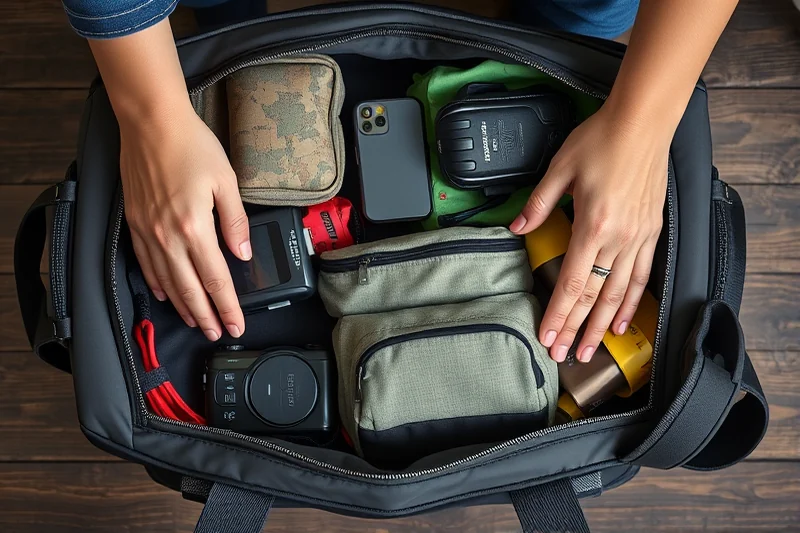
There are certain items that are so essential for a road trip that you can’t go without them. I’ve learned this the hard way after a few trips where I forgot my toothbrush, and ended up buying one for $10 at the nearest gas station. It’s an unnecessary expense, and it’s also a hassle when you’re on the move.
The essentials include things like a travel-sized toiletry kit, a portable charger, a small first-aid kit, and a few change of clothes. I always bring a small backpack with me that contains these essentials — this way, I can access them quickly and without having to dig through my suitcase. It’s also a great way to keep your most-used items within reach.
I’ve also found that a good set of travel-sized toiletries can be a lifesaver. I always travel with a roll-on container of shampoo, conditioner, and body wash — I’ve found that it’s much more efficient than buying new bottles at each stop. It’s a small investment, but it saves time and money in the long run.
How to Stay Comfortable on Long Drives
Comfort is a key factor in any road trip, and the way you pack can impact your overall experience. I’ve learned that bringing a few small comforts can make a huge difference — like a neck pillow, a travel blanket, and a pair of noise-canceling headphones. These items have become non-negotiable for me on any trip that involves driving for more than 4 hours.
I once had a business trip where I forgot my pillow and ended up with a sore neck for two days. It was a harsh lesson, and I’ve since made sure to bring one on every trip. I also bring a travel blanket — not only does it keep me warm, but it also helps with rest during long layovers or late-night drives.
I’ve also found that a good set of noise-canceling headphones can be a game-changer. Whether you’re trying to sleep on the plane or relax during a long drive, they help block out the noise and create a more comfortable environment. I’ve tested several brands, and my favorite is one that costs $150 — but it’s well worth the investment for the comfort it provides.
⭐ Classic
A simple and healthy meal that’s perfect for any traveler.
💰 Budget
A version that uses affordable ingredients while keeping the same flavor.
⚡ Extra-Fast
A quicker version of the recipe for those on the move.
✨ Depth
A more complex version with additional ingredients to enhance the flavor.
🥗 Light
A lighter alternative with fewer calories and more vegetables.
| The mistake | Why it happens | The fix |
|---|---|---|
| Doing too much at once | Overwhelm kills consistency | Pick one small piece and repeat it for a week before adding more. |
| Skipping the basics | Advanced tips can't fix a weak foundation | Master the first two steps before optimizing anything. |
Packing For Road Trip That Work
Common Questions
How can I reduce the number of items I bring on a road trip?
What should I do if I forget something important on a trip?
How can I keep my clothes from wrinkling during a road trip?
What’s the best way to store my toiletries on a trip?
References
- Safe food temperatures: Heating and cooling | UMN Extension (extension.umn.edu)
- PDF 2023 FYT Packing Lists - outdoors.dartmouth.edu (outdoors.dartmouth.edu)
- Packing Checklist | Smithsonian Tropical Research Institute (stri.si.edu)
- Business Travel and Work Abroad (travel.state.gov)
Cite this guide
Backseat Atlas (2026). Packing For Road Trip That Work. https://backseatatlas.com/packing-for-road-trip-that-work/
Feel free to cite or share this guide.