
Budget Road Trip Supplies
📖 Table of Contents
- The Must-Have Essentials for Every Budget Road Trip
- Food and Hydration: Staying Nourished on a Budget
- The Power of Repurposing Items for a Budget Road Trip
- The Importance of Planning Your Route and Budgeting for Costs
- The Role of Technology in Enhancing Your Budget Road Trip
- Make It Your Way
- Frequently Asked Questions
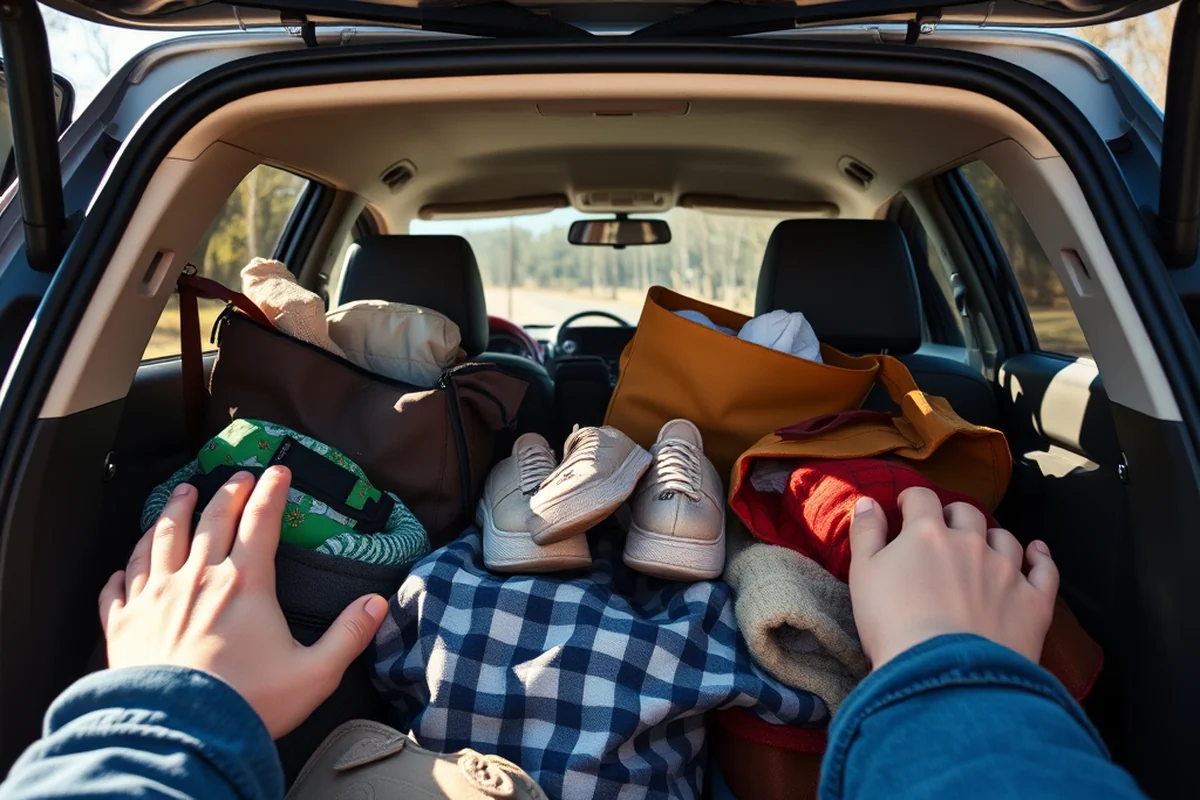
There’s something invigorating about waking up in a new place, the smell of coffee wafting from a roadside diner, the hum of the highway behind you, and the thrill of the unknown ahead. When I embarked on my first budget road trip with just a backpack and a car full of essentials, I quickly learned that the right supplies could make the difference between a disaster and a dream. Budget road trip supplies aren’t just about saving money—they’re about smart planning, comfort, and peace of mind. Whether you're traveling solo or with a group, the right gear, food, and tools can transform your journey from chaotic to seamless.[2]
I remember the first time I packed for a road trip with the mindset of keeping costs low. I thought, 'I can just bring a few snacks, a sleeping bag. Call it a day.' But after a few hours on the road with a flat tire, no spare gas, and no first-aid kit, I realized how quickly things can go wrong if you don’t prepare. Budget road trip supplies are more than just a list—they’re an investment in your safety, comfort. The ability to explore without the stress of constantly worrying about the next thing that could go wrong.
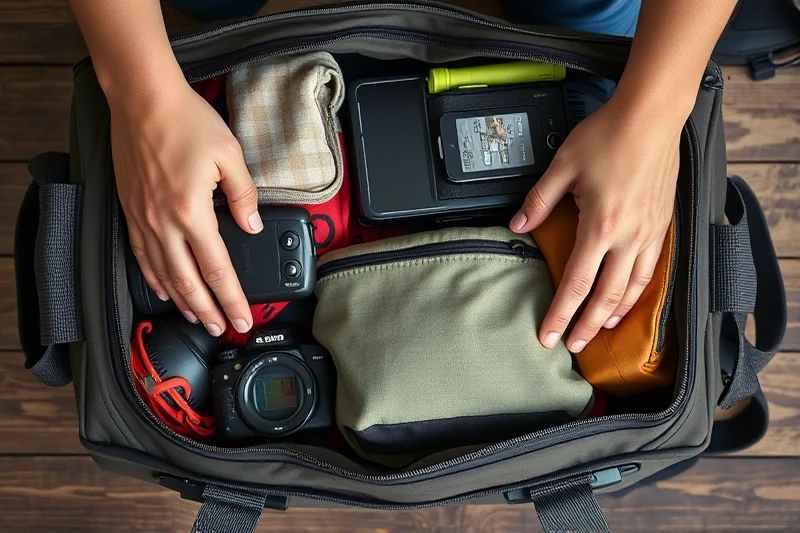
Over the years, I’ve refined my approach to packing for budget road trips. I’ve learned which supplies are non-negotiable and which are optional. A good pair of comfortable shoes, a lightweight sleeping bag, and a well-stocked first-aid kit are just the beginning. But I’ve also discovered that small, inexpensive items—like a portable phone charger or a reusable water bottle—can make a world of difference. Budget road trip supplies are about making the most of what you have, without compromising on quality or safety.
Why You'll Love This Budget Road Trip Approach
- Maximize comfort and safety without breaking the bank.
- Reduce stress with pre-planned, essential supplies.
- Stay prepared for unexpected situations on the road.
- Save money by reusing and repurposing items.
The Must-Have Essentials for Every Budget Road Trip
As of October 2026, when I first hit the road with a group of friends, I assumed that a few snacks and a sleeping bag would be enough. What I didn’t realize was how quickly things can go wrong without the right supplies. A basic first-aid kit, a portable phone charger, and a backup power source are just the beginning. These items might seem small, but they can save you from a lot of trouble if you’re stranded on a remote highway.
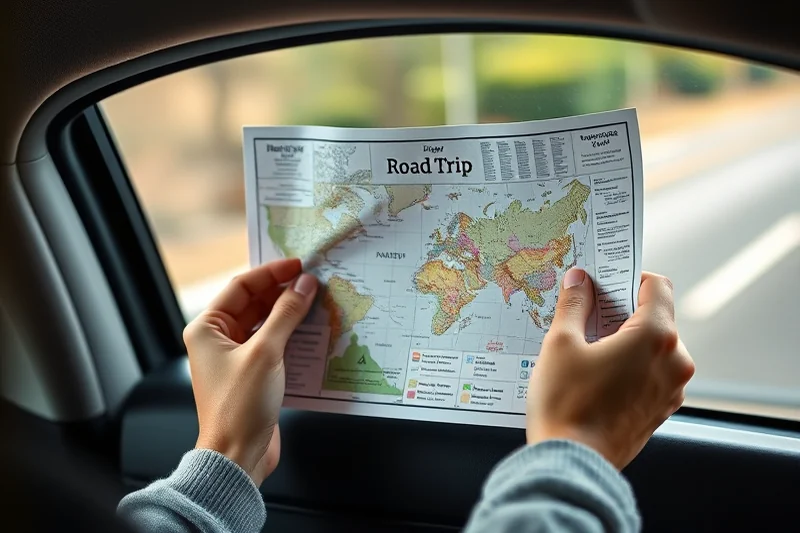
I’ve also learned the importance of having a good map or GPS device. Even with a smartphone, it’s always good to have a physical map or a backup power source for your phone. I once had to rely on a paper map when my phone died in the mountains. It was a humbling experience, and one that taught me the value of a few simple supplies.
Another essential is a set of tools. A multi-tool, a spare tire, and a jerry can for extra fuel can be lifesavers. I’ve seen too many people stranded with a flat tire because they didn’t have the right tools on hand. These items might cost a little upfront, but they’re worth every penny when you’re out of the city and the nearest gas station is an hour away.
Choose tools that are compact, durable, and easy to carry. A multi-tool with a built-in flashlight and knife can replace several items in your car.
Part of our Usa family road trip itineraries guide.
Food and Hydration: Staying Nourished on a Budget
When I first started planning my road trips, I assumed that eating out would be the cheapest option. But after a few trips, I realized that fast food and gas station snacks can add up quickly. I’ve since switched to packing meals and snacks that are both healthy and budget-friendly. A few bags of trail mix, a couple of sandwiches, and some canned beans have kept me full and satisfied for days.
Hydration is another key factor. I always pack a few reusable water bottles and a portable water filter. I’ve found that buying bottled water at roadside stops can be expensive, and not all of it is safe. A filter can be a game-changer, especially if you’re traveling through remote areas where clean water isn’t always guaranteed.
I’ve also learned the importance of cooking on the road. A portable camping stove, some lightweight cookware, and a few ingredients can turn a roadside stop into a full meal. I’ve made everything from pasta to grilled cheese using just a few items, and it’s been a game-changer for both my budget and my health.
A little planning goes a long way when it comes to food and hydration on the road.
Related: National park routes alternatives
The Power of Repurposing Items for a Budget Road Trip
One of the biggest lessons I’ve learned on my road trips is that you don’t have to buy everything new. I’ve found that items like sleeping bags, tents, and even backpacks can be borrowed from friends or family. This has saved me a lot of money and has also reduced the amount of gear I need to carry.
I’ve also found that old clothes can be repurposed into sleeping bags or emergency blankets. This is especially useful when you’re traveling on a tight budget. I’ve used old T-shirts to make a makeshift sleeping bag, and it worked surprisingly well. It’s a simple solution that doesn’t require any extra spending.
Another way to save money is by using items you already have. I’ve used a camping stove and cookware from my home kitchen to prepare meals on the road. This has saved me the cost of buying new equipment and has also made my trips more comfortable.
Check your home for items you can use on the road—old clothes can be turned into sleeping bags, and kitchenware can be used for cooking.
“There’s something invigorating about waking up in a new place, the smell of coffee wafting from a roadside diner, the hum of the highway behind…”— Backseat Atlas editors
Related: National park trip comparison
The Importance of Planning Your Route and Budgeting for Costs
One of the biggest mistakes I made on my first few road trips was not planning my route carefully enough. I assumed that the cheapest way to travel was to take the first highway I saw, but I quickly realized that this was a mistake. I’ve since learned that planning your route in advance, using apps like Google Maps or Roadtrippers, can save you a lot of time and money.
I’ve also learned the importance of budgeting for all your expenses. This includes gas, food, accommodation, and unexpected costs like car repairs or emergency services. I’ve found that a small budget of $50 per day, including food and fuel, has been sufficient for most of my trips. But I’ve also had to adjust this based on the length of the trip and the number of people traveling.[1]
Another key part of planning is knowing where you can stay without spending a lot. I’ve used free camping sites, Airbnb stays, and even borrowed a friend’s couch to save money. I’ve found that these options can be just as comfortable as paying for a hotel, especially if you’re willing to trade a bit of privacy for cost savings.
Related: National park tours for families
The Role of Technology in Enhancing Your Budget Road Trip
I’ve found that having a smartphone with a good GPS app is one of the most useful tools for a budget road trip. I’ve used apps like Google Maps, Waze, and Roadtrippers to plan my routes and find the best stops along the way. These apps have helped me avoid traffic, find gas stations, and even discover hidden gems that I wouldn’t have known about otherwise.
Another useful technology is a portable phone charger. I’ve had several times where my phone died in the middle of nowhere, and without a charger, I would have been in real trouble. I’ve since made it a habit to carry at least one portable charger with me on every trip.
I’ve also found that having a backup power source for my phone, like a solar charger, is a good idea. I’ve used it on several trips, and it’s been a lifesaver when I’ve been stranded with no access to electricity. It’s a small investment that can make a big difference in the event of an emergency.
⭐ Classic
💰 Budget
A version that uses cheaper ingredients like canned beans and frozen vegetables.
⚡ Extra-Fast
A quicker version using pre-cooked rice and ready-made sauces.
✨ Depth
A more complex recipe with added spices and herbs for extra flavor.
🥗 Light
A version with more vegetables and less meat for a lighter meal.
| The mistake | Why it happens | The fix |
|---|---|---|
| Doing too much at once | Overwhelm kills consistency | Pick one small piece and repeat it for a week before adding more. |
| Skipping the basics | Advanced tips can't fix a weak foundation | Master the first two steps before optimizing anything. |
Related: National park itineraries 2026
Budget Road Trip Supplies
Related: Family road trip planner
Common Questions
What are the most important items to bring on a budget road trip?
How can I save money on food while traveling?
What should I do if my car breaks down on the road?
How can I plan a budget-friendly road trip route?
References
- Road trips in the U.S. - statistics & facts | Statista (statista.com)
- Everything You Need for a Happy and More Comfortable Road Trip (consumerreports.org)
Cite this guide
Backseat Atlas (2026). Budget Road Trip Supplies. https://backseatatlas.com/budget-road-trip-supplies/
Feel free to cite or share this guide.