
Kid-friendly Stops Tips At Home

📖 Table of Contents
There’s a moment in every parent’s day when the chaos of running around town with kids feels like a full-time job. I remember one such day when my daughter was three, and I had no idea how to keep her entertained for even 20 minutes during our grocery trip. It was then that I realized I needed to rethink how I approached family time at home. Kid-friendly stops tips at home became my mantra — not just for convenience, but for creating meaningful, quality moments with my children without the stress of constant travel.[1]
I began experimenting with simple, engaging activities that could be done right in our living room or backyard. What I found was that the best kid-friendly stops tips at home aren’t just about keeping children busy — they’re about sparking curiosity, encouraging creativity, and even teaching life skills. My son, for instance, learned how to tie his shoes by pretending he was a pirate on a treasure hunt, and my daughter mastered counting by sorting colorful buttons into jars. The key was making learning fun, and it all started with a few simple ideas right at home.
The more I tried, the more I saw how kid-friendly stops tips at home could transform our house from a place of chaos into a space of exploration and joy. I started compiling my findings, and what I discovered was that the most successful activities were those that were low-cost, easy to set up, and adaptable to the kids’ interests. Whether it was a dramatic play corner, a DIY sensory bin, or a simple scavenger hunt, the lessons were clear: the best kid-friendly stops tips at home are the ones that are both engaging and sustainable.
Why You'll Love This Kid-Friendly Stop at Home
- You’ll save money and time by eliminating the need to travel to expensive attractions.
- Your kids will be more engaged and excited about learning and playing.
- You’ll find new ways to bond and create lasting memories with your children.
- You’ll discover that the best learning and entertainment often happens right at home.
The Power of Imagination in the Home
As of August 2026, I remember the first time I turned our kitchen table into a pirate ship — my daughter was thrilled, and for the next hour, she was a full-time captain. The magic wasn’t in the decoration or the props but in the sheer power of imagination. By using kid-friendly stops tips at home, parents can tap into this endless well of creativity, making learning and play seamless.
Imagination is one of the most powerful tools for child development. When children are encouraged to think creatively, they’re more likely to solve problems, think critically, and even improve their language skills. I’ve seen how a simple cardboard box can become a spaceship, a castle, or a jungle, and the joy it brings is immeasurable.
To get started, I recommend setting up a dedicated play area that can be transformed easily — think of it as a ‘kid-friendly stop’ right in your home. Stock it with art supplies, building blocks, and a few blankets. This space becomes the foundation for endless adventures, all within the comfort of your home.[2]
Set up a small area in the kitchen where kids can safely explore, using simple items like wooden spoons and measuring cups for imaginative play.
Part of our Kid friendly guide.
Sensory Bins: A Simple, Engaging Activity
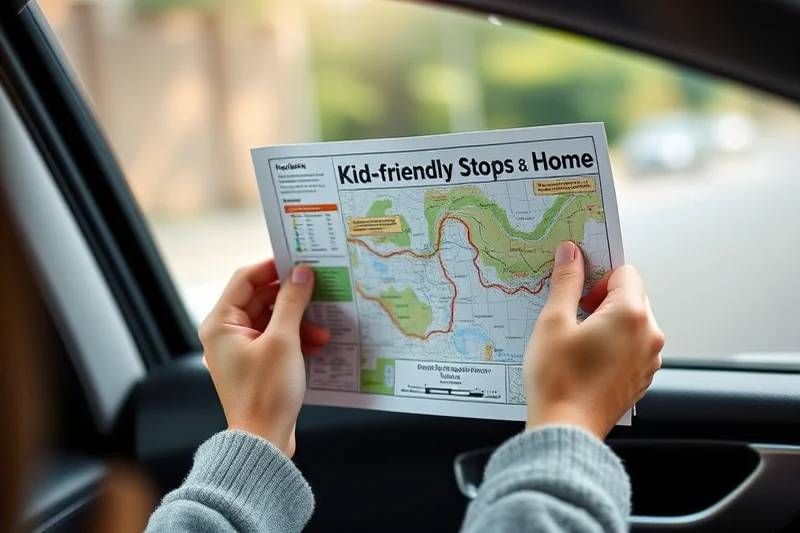
I first discovered sensory bins when I was looking for a way to keep my daughter entertained during a long car ride. I filled a large bin with rice and small plastic animals, and she was instantly fascinated. The next thing I knew, we had turned the entire living room into a dig site. It was a revelation — sensory bins are not just for preschoolers, but for kids of all ages.
The magic of sensory bins lies in their simplicity. You can use items like dried beans, pasta, or even sand for the base and then add small toys, alphabet letters, or hidden treasures for the kids to find. I’ve made bins with water and floating toys for bath time, and others with kinetic sand for creative sculpting. The possibilities are endless.
One of the best things about sensory bins is how they can be tailored to a child’s interests. If your child loves dinosaurs, fill the bin with plastic dinosaur bones and let them dig for clues. If they’re into numbers, add counting cards and beads. It’s a customizable, kid-friendly stop that keeps kids engaged and learning.
A little rice and a few plastic animals can turn a quiet afternoon into an adventure.
Related: Cheap 10 best kid friendly hotels with water parks
Related: Kid friendly songs tips
Related: Modern kid friendly songs
Related: Quick kid friendly stops tips
Related: 10 best kid friendly hotels with water parks examples
DIY Scavenger Hunts: Learning in Play
The first time I tried a scavenger hunt at home, I was amazed at how quickly my kids transformed from bored to excited. I created a list of items they needed to find — things like a blue item, a soft item, and a round item — and let them race to complete the challenge. It was a simple idea, but it sparked a lot of curiosity and critical thinking.
Scavenger hunts can be tailored to any age group and interest. For younger kids, focus on colors and textures. For older children, you can include riddles or clues that lead them to specific items. I’ve even used scavenger hunts to teach my kids about geography by hiding world flags around the house and asking them to identify the countries.
The best part about scavenger hunts is that they can be done almost anywhere — in the house, the backyard, or even during a walk around the neighborhood. They’re a great example of kid-friendly stops tips at home that promote learning, movement, and family bonding.
Choose a theme like ‘Under the Sea’ or ‘Outer Space’ to make the scavenger hunt more engaging and immersive for your kids.
“There’s a moment in every parent’s day when the chaos of running around town with kids feels like a full-time job.”— Backseat Atlas editors
The Benefits of Indoor Play for Kids
I’ve always believed that indoor play is just as valuable as outdoor play, if not more so. It allows kids to explore their environment in a safe, controlled setting. I’ve seen my daughter learn to balance on a wobble board, practice hand-eye coordination with a ball, and even develop fine motor skills by threading beads through a pipe cleaner.
Indoor play can also be a great way to teach kids about responsibility and teamwork. When I set up a mini obstacle course in our living room, my kids took turns navigating it, cheering each other on and helping one another when they stumbled. It was a lesson in patience and encouragement, all while having fun.
One of the best parts about indoor play is that it can be done anytime, anywhere. Whether it’s a rainy day or a long weekend, you can create a fun-filled activity that keeps your kids happy and engaged. It’s a perfect example of a kid-friendly stop at home that requires no travel but delivers huge benefits.
Making the Most of Home-Based Learning
I’ve found that the best way to make learning fun is to integrate it into everyday activities. Instead of sitting down for a long lesson, I use cooking to teach fractions, use the garden to teach about plants, and even use music to teach about rhythm and patterns. It’s all about making learning feel natural and enjoyable.
One of my favorite learning activities is using a small chalkboard to create a ‘math corner’ where my kids can practice addition and subtraction. I also use online educational games that are age-appropriate and have found that they keep my kids engaged for hours. The key is to keep it light and fun.
By using kid-friendly stops tips at home, I’ve been able to create a learning environment that is both educational and entertaining. Whether it’s through hands-on activities, educational games, or simple conversations, I’ve seen how learning can be woven into the fabric of everyday life.
⭐ Classic
A basic sensory bin with dried beans and small plastic animals for a simple, engaging activity.
💰 Budget
Use items you already have at home, such as rice or pasta, and repurpose old toys for a cost-effective sensory bin.
⚡ Extra-Fast
Skip the food coloring and use a pre-made sensory bin kit to save time and effort.
✨ Depth
Add different textures and items like feathers, cotton balls, and small wooden blocks to create a more immersive sensory experience.
🥗 Light
Replace the dried beans with cooked rice or oats for a gentler sensory bin that’s easier on the hands.
| The mistake | Why it happens | The fix |
|---|---|---|
| Using too many small items that can be choking hazards. | Small items can be a serious choking risk for young children. | Always use large, safe items that are appropriate for the child’s age. |
| Forgetting to clean the sensory bin ingredients after use. | Failure to clean the ingredients can lead to the growth of mold or bacteria. | Make sure to clean the ingredients thoroughly after each use and store them in a sealed container. |
| Not providing enough supervision during the activity. | Children can become overly excited and lose focus, which can lead to unsafe behavior. | Always supervise children closely and keep the activity area safe and secure. |
| Using the same sensory bin ingredients for multiple children without cleaning. | Using the same ingredients without cleaning can spread germs and increase the risk of illness. | Use separate bins for different children or clean the ingredients thoroughly between uses. |
What to Pack tap to check off
- 1 lb dried beans
- ½ cup small plastic animals
- food coloring (optional)
Method tap a step when done
- In a large bin or container, add the dried beans.
- Stir in the small plastic animals.
- If desired, add a few drops of food coloring to the beans and mix well.
- Let the beans sit for at least 30 minutes to allow the food coloring to distribute evenly.
- Store the sensory bin in a cool, dry place for future use.
- When ready to use, simply pour the beans into a smaller container and let the kids explore.
Key Facts
Kid-friendly Stops Tips At Home
Common Questions
Can I use this sensory bin activity with toddlers?
How long can I keep the sensory bin ingredients in storage?
What if my child is allergic to beans?
Can I reuse the sensory bin ingredients for multiple activities?
References
Cite this guide
Backseat Atlas (2026). Kid-friendly Stops Tips At Home. https://backseatatlas.com/kid-friendly-stops-tips-at-home/
Feel free to cite or share this guide.