
National Park Itineraries Tips For Small Spaces
📖 Table of Contents
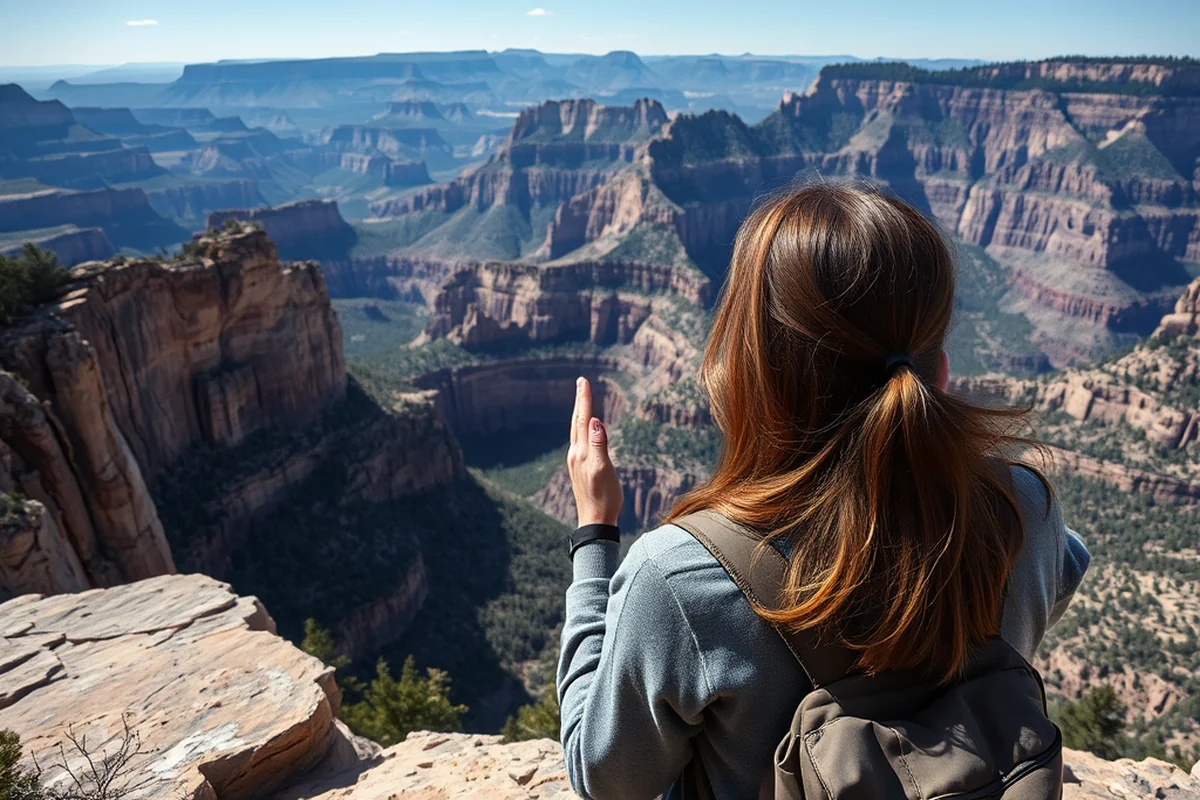
I remember the first time I tried to plan a trip to a national park with only a single backpack and a tent that barely fit. It was a hot summer day in Yosemite. I had to make do with just a few essentials, but I left with more than just sunburned skin — I left with a newfound appreciation for how much can be packed into a small space. Planning a national park itinerary for small spaces is a challenge that requires creativity, precision, and a bit of know-how. Whether you're a solo traveler, a couple, or a family with limited gear, the right approach can turn a cramped situation into a fulfilling adventure.
National parks are beautiful, but they can also be overwhelming for those who don’t know how to manage their space effectively. I’ve learned over the years that the key to a successful trip lies in preparation. That means knowing which gear is essential, how to maximize storage, and even how to choose the right trails that don’t require hours of backtracking. The truth is, you don’t need the entire contents of your home to enjoy the wonders of a national park — you just need the right mix of smart planning and minimalist thinking.
The word ‘small spaces’ doesn’t have to mean ‘few experiences.’ In fact, it can be the perfect catalyst for more meaningful travel. I’ve packed for trips with just a 40-liter backpack, and I’ve returned with stories, photos, and memories that filled my heart. My go-to strategy involves prioritizing gear that’s versatile, lightweight, and purpose-built. This article will walk you through the exact steps, tools, and techniques I’ve used to create national park itineraries that are as efficient as they are unforgettable.[1]
Why You'll Love This National Park Itineraries Tips For Small Spaces
- Travel with less weight and more freedom.
- Maximize your experience without overcrowding your gear.
- Save money by avoiding unnecessary purchases.
- Enjoy more time exploring and less time packing.
The Power of Prioritization
As of August 2026, when I first started traveling to national parks, I would overpack everything from extra clothes to unnecessary gadgets. It wasn’t until I realized that space was my biggest constraint that I began to prioritize what really mattered. I started making lists, categorizing items into essentials, comforts, and luxuries. This process alone cut my travel weight in half, making every hike feel lighter and every day more enjoyable.
Prioritization is not just about what you bring — it’s also about what you leave behind. I learned that the most valuable items are those that are multipurpose. A good sleeping bag can double as a pillow, and a lightweight tent can be set up in under five minutes. I’ve also found that packing layers is key, especially in places with variable weather, like the Grand Canyon. A single warm jacket can save you from a cold night without the need for multiple sweaters.
One of the best lessons I’ve learned is that less is more. I once traveled to Denali National Park with only a 40-liter backpack and managed to hike for four days without missing a single meal or sleeping uncomfortably. It was a revelation — I didn’t need the same gear as someone who’s been camping their whole life. The right mindset, combined with a few smart choices, is all it takes to make a small space work wonders.[2]
Before your trip, write down everything you think you’ll need, then cross out anything that isn’t essential. This helps you stay focused on the things that matter most.
Part of our Usa family road trip itineraries guide.
The Magic of Multi-Use Gear
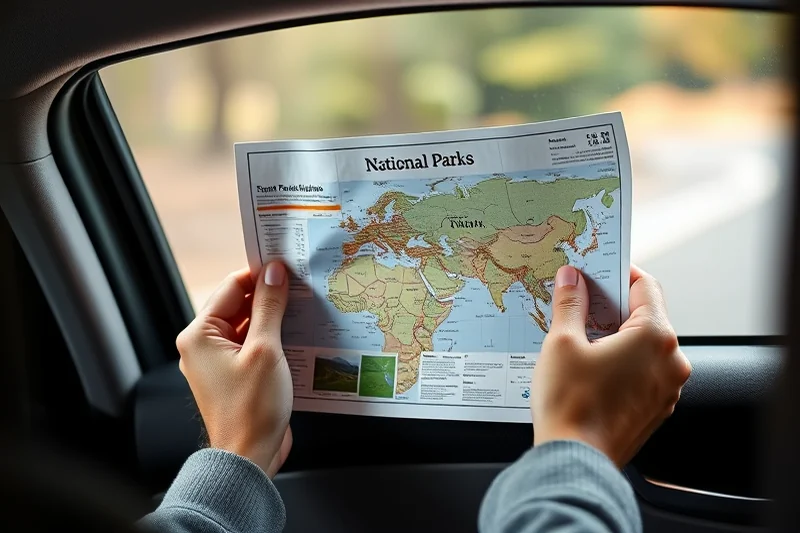
One of my favorite pieces of gear is a multi-tool that can be used for everything from cutting food to tightening a loose bolt on my tent. Another is a collapsible water bottle that can be used for drinking, cooking, and even storing small items when empty. These items may seem simple, but they’ve saved me time, space, and money more than once.
I’ve also found that using a single sleeping bag that’s rated for both cold and mild temperatures is a huge plus. That way, I don’t have to carry multiple bags for different weather conditions. It’s also important to choose gear that’s lightweight and compact. I use a sleeping pad that’s thin but still provides good insulation, and I’ve never been colder than I was at home.
Multi-use gear doesn’t just save space — it also reduces the weight you carry. Every ounce counts when you’re hiking miles each day. I’ve had days where I felt like I was carrying the weight of the world. It wasn’t until I replaced my bulky gear with more compact options that I felt truly free to move.
One piece of gear can be your best friend on the trail.
Related: Road trip with kids tips
Related: National park itineraries 2026
Related: National Park Trip Comparison
Related: Affordable kid friendly sofa
Related: Road trip games for kids
Related: Acadia National Park Itineraries Near Me
Choosing the Right Trails
Not all trails are created equal, and when space is limited, it’s even more important to choose the right one. I’ve learned that shorter trails with minimal elevation gain are often the best for those who are new to hiking or have limited gear. For example, in Rocky Mountain National Park, the Sky Pond Trail is a great option — it’s only 7.5 miles round trip and offers breathtaking views without requiring the stamina of a 15-mile trek.[3]
Choosing the right trail also means knowing the terrain. I’ve had days where I was stuck on a trail that was too steep or too rocky, and it made a big difference in my energy levels and overall enjoyment. I now look for trails that are well-maintained and have clear markers, which helps me avoid getting lost and saves time.
Another factor to consider is the time of year. Some trails are only open during certain seasons, and knowing this in advance can prevent wasted trips and unnecessary planning. I once tried to hike a trail in Glacier National Park during winter, only to find that it was closed due to snow. It was a lesson in patience and planning.
Before choosing a trail, check its difficulty level, elevation gain, and distance. This can help you avoid overexertion and ensure a more enjoyable experience.
“I remember the first time I tried to plan a trip to a national park with only a single backpack and a tent that barely…”— Backseat Atlas editors
Staying Comfortable with Minimal Gear
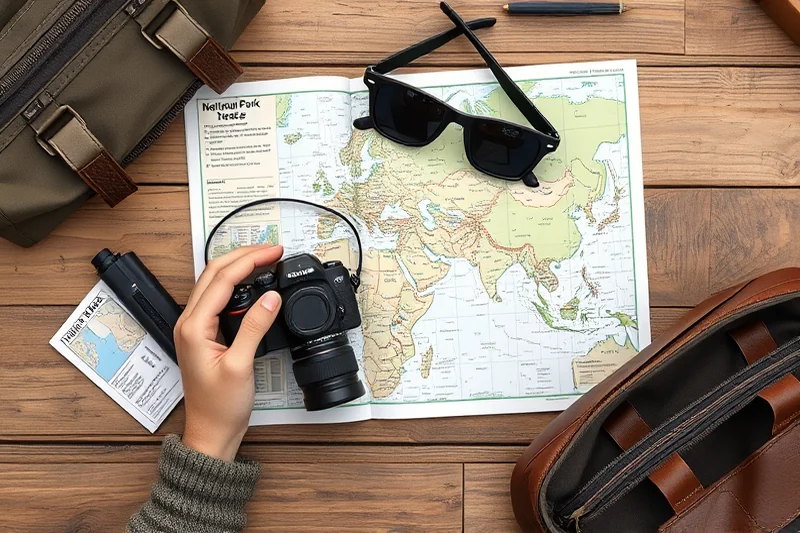
One of the biggest mistakes I made early on was assuming that comfort meant carrying more gear. I quickly learned that comfort is about using what you have efficiently. I now use a lightweight sleeping pad that’s compact enough to fit in my backpack and provides just enough insulation to keep me warm. It’s also important to choose a tent that’s easy to set up and doesn’t take up too much space.
Another key to comfort is knowing how to layer your clothing. I use a system where I have a base layer that’s moisture-wicking, a middle layer that’s insulating, and an outer layer that’s waterproof. This system keeps me comfortable in a variety of weather conditions without the need for multiple sets of clothes.
I also make sure to bring a small, lightweight first-aid kit and a headlamp. These items are essential for any trip, but they’re especially important when you’re traveling light. A headlamp, for example, is a game-changer in the dark — it allows you to see without using your hands, which is especially useful when you’re cooking or setting up camp.
Maximizing Your Time in the Park
Time is one of the most valuable resources you have when traveling to a national park, and maximizing it can make or break your experience. I’ve learned that the best way to do this is to plan your itinerary around the park’s most popular attractions — things like viewpoints, waterfalls, and wildlife spots. This way, you can see the best of the park without spending too much time on less interesting areas.
I also make sure to plan my meals in advance. I bring dehydrated meals that are easy to prepare and don’t require a lot of equipment. This saves time and ensures that I’m always full, even when I’m on the go. I’ve found that having a routine helps me stay organized and focused on enjoying the park, rather than worrying about where I’ll eat next.
Another time-saving tip is to choose accommodations that are close to the park’s main attractions. I’ve stayed in lodges that are just a few minutes from the entrance, which has allowed me to spend more time exploring and less time commuting. This is especially helpful when I’m traveling with a group or a family that needs a place to rest.
⭐ Classic
The original trail mix with nuts, dried fruit, and chocolate chips.
💰 Budget
A version that uses cheaper ingredients like sunflower seeds and dried berries.
⚡ Extra-Fast
No-bake version using pre-made trail mix and melted chocolate.
✨ Depth
A gourmet twist with added spices and exotic dried fruits.
🥗 Light
A low-calorie version with no chocolate and minimal nuts.
| The mistake | Why it happens | The fix |
|---|---|---|
| Overpacking unnecessary items. | Extra gear adds weight and takes up valuable space, making your trip more difficult and less enjoyable. | Make a list of essentials and cross out anything you can live without. |
| Choosing a trail that’s too difficult for your fitness level. | This can lead to exhaustion, missed opportunities, and a less enjoyable experience. | Research trail difficulty and choose a trail that matches your fitness level and experience. |
National Park Itineraries Tips For Small Spaces
Common Questions
What should I pack for a minimalist national park trip?
How do I choose the best trail for a minimalist trip?
Can I save money by traveling with minimal gear?
How do I stay comfortable with limited gear?
References
- Lessons Learned from Parkwide Visitor Use Modeling - U.S. National Park ... (nps.gov)
- Camping Itineraries to Explore the Best of Land and Sea: (sanctuaries.noaa.gov)
- National Park Service (NPS) | USAGov (usa.gov)
Cite this guide
Backseat Atlas (2026). National Park Itineraries Tips For Small Spaces. https://backseatatlas.com/national-park-itineraries-tips-for-small-spaces/
Feel free to cite or share this guide.