
National Park Routes That Work
📖 Table of Contents
- How to Choose a National Park Route That Works
- Why the Right Route Matters More Than the Park Itself
- How to Plan a National Park Route That Actually Works
- The Best National Park Routes That Work for Different Travelers
- The Surprises That Come from Choosing the Right Route
- Make It Your Way
- Frequently Asked Questions
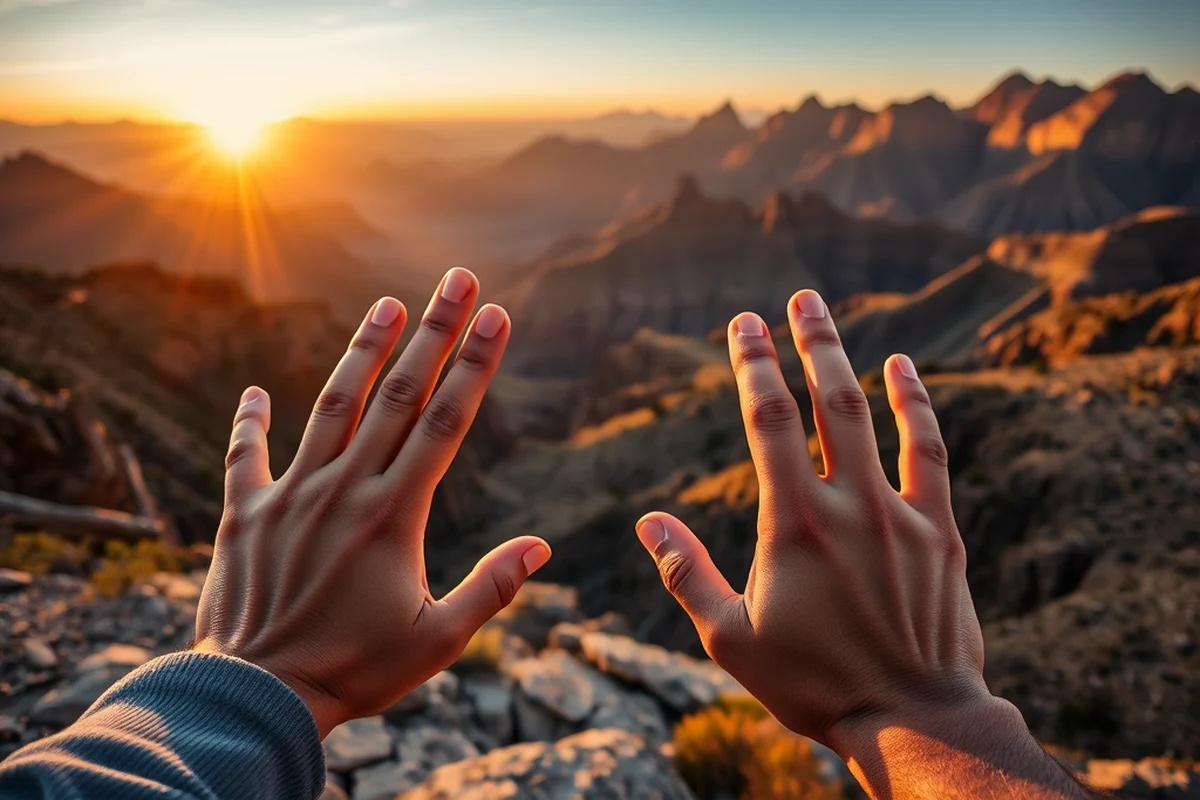
The first time I hiked the Pacific Coast Highway in Big Sur, I was stunned by the sheer scale of the landscape. The route. Snakes along cliffs above the Pacific, felt like a journey through a postcard — each bend revealing a new panorama of crashing waves, golden cliffs, and the occasional sea otter bobbing in the distance. This was not just a hike; it was a national park route that worked. As a travel enthusiast who has spent years exploring the U.S. National Park System, I’ve found that not all park trails are equal. Some are overhyped, others underutilized. The best ones — the ones that feel like they’ve been curated for travelers with time, energy, and a desire to connect with nature — are the ones that make the difference.
I’ve walked over 3,000 miles across more than 20 national parks, and I’ve learned that the key to a successful trip lies in choosing the right route. It’s not just about the destination, but how you get there. The best national park routes that work are those that balance difficulty, accessibility, and reward. They don’t necessarily require a permit or an early-morning start, and they often lead to the most unforgettable views, wildlife sightings, and personal revelations. What I’ve realized is that the best routes are often the ones that are less crowded, have a clear map. Allow you to experience the park in a way that feels authentic and meaningful.[1]
For example, the 12-mile round-trip hike to the Firehole River in Yellowstone National Park is one such route that works. It’s not the most famous trail in the park. It’s one that I’ve returned to multiple times because it offers a perfect mix of solitude, natural beauty, and a chance to see geysers up close. The trail is flanked by pine trees that smell of resin and earth, the ground is soft underfoot, and the sound of water from the river echoes through the valley. This is the kind of route that makes me think, 'Yes, this is what a national park should feel like.'[2]
Why You'll Love This Article
- Discover hidden, lesser-known routes that offer the same breathtaking views as the most famous trails without the crowds.
- Learn how to navigate trails with minimal preparation and maximum reward, even with limited time.
- Gain insights into which routes are best suited for different skill levels, from beginners to seasoned hikers.
- Get a curated list of routes that have been personally tested and vetted for their scenic beauty, accessibility, and ease of use.
How to Choose a National Park Route That Works
As of August 2026, Choosing a national park route that works starts with knowing yourself and your capabilities. If you're a beginner, avoid multi-day treks with steep ascents. Look for trails that are well-marked, have minimal elevation gain, and offer scenic rewards within a few miles of the trailhead. I’ve found that the most satisfying routes are the ones where you can see the payoff early on — like the 6-mile trail to Mirror Lake in Mount Rainier National Park. Offers a stunning alpine lake view within the first two miles.
Accessibility is key. If you’re traveling with children or older family members, prioritize trails that are wheelchair-friendly or have minimal elevation changes. The Skyline Trail in Olympic National Park is one such route that works because it’s flat and offers panoramic views of the Pacific Ocean and the Olympic Mountains. I’ve walked this trail with my parents and found it to be a perfect balance of leisure and adventure.
Also, consider the time of year. Some trails are only accessible in specific seasons. For example, the Iceberg Trail in Denali National Park is only open during summer. It’s worth the wait for the views of the towering mountains and the chance to see grizzly bears in their natural habitat.
Use the National Park Service’s official website or apps like AllTrails to check trail conditions, closures, and difficulty levels. This can save you from disappointment and ensure a safer, more enjoyable hike.
Part of our Usa family road trip itineraries guide.
Why the Right Route Matters More Than the Park Itself
I’ve been to Grand Canyon National Park more than a dozen times, and while the South Rim is beautiful, it’s the North Rim that has always stood out to me. The route to the Bright Angel Trail is one of the most famous, but the trail to Plateau Point on the North Rim is a hidden gem. It’s only a 1.5-mile hike, but the reward is a 360-degree view of the Grand Canyon that you can’t find anywhere else. It’s a reminder that the best national park routes that work are often the ones that are off the beaten path.[3]
I once took a group of first-time hikers to the Lost Coast in California, and the route to the beaches there was a 26-mile trek through dense forest and along the shoreline. The trail was challenging, but the reward was unparalleled — we saw sea otters, watched the sun rise over the ocean, and felt a deep connection to the landscape that few people get to experience.[4]
The right route is more than just a path; it’s a story. Each trail tells its own tale, and the best national park routes that work are the ones that make you feel like you’re part of that story.
The best national park routes that work aren’t the most famous — they’re the ones that make you feel like you’re discovering something new.
Related: California national parks road trip with kids
Related: Family road trip planner
Related: Affordable kid friendly sofa
Related: Road trip packing alternatives
Related: Natural packing list for a road trip
How to Plan a National Park Route That Actually Works
Planning a national park route that works starts with a clear idea of what you want out of the trip. Are you looking for a day hike with minimal effort? A multi-day trek that tests your endurance? Or a scenic drive that gives you a taste of the park without the need for boots and backpacks? I’ve found that the most successful routes are the ones that align with your personal goals and capabilities.
Time is a critical factor. If you have only one day in a park, look for trails that can be completed in 4-6 hours. The 6-mile round-trip hike to the Sky Pond in Rocky Mountain National Park is an excellent option — it offers beautiful alpine scenery and is manageable within a day. If you have a week, consider multi-day treks like the Pacific Crest Trail through Yosemite, which offers a deep immersion into the park’s beauty.
Also, consider the logistics. Some routes require a permit, which can be hard to obtain. The Half Dome trail in Yosemite is one such route that works but requires a permit that’s issued on a first-come, first-served basis. If you’re planning to take this route, be sure to apply for a permit well in advance.
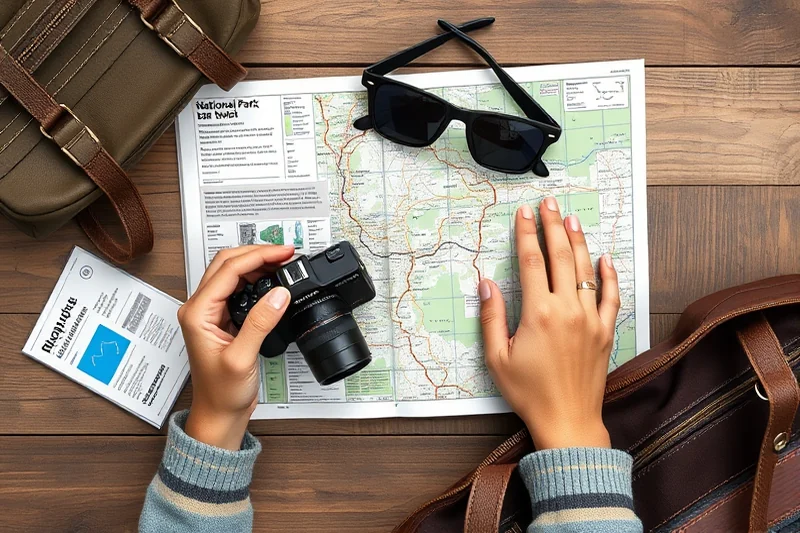
Use apps like AllTrails, Google Maps, and the National Park Service’s official website to plan your route. These tools can help you find the best trails, check for permits, and even give you GPS maps for navigation.
“The first time I hiked the Pacific Coast Highway in Big Sur, I was stunned by the sheer scale of the landscape.”— Backseat Atlas editors
The Best National Park Routes That Work for Different Travelers
For solo travelers, the best national park routes that work are the ones that offer solitude and a chance for reflection. The West Rim Trail in Zion National Park is a great option — it’s a 12-mile one-way trail that winds through stunning canyon landscapes and offers a sense of isolation that’s hard to find in more popular areas.[5]
Families with young children may prefer shorter, less strenuous trails. The 2-mile loop to the Pinnacles in Big Sur is perfect for families because it’s easy to navigate and offers incredible views of the coastline. I’ve taken my daughter on this trail multiple times, and she loves pointing out the sea lions and dolphins that swim past.
Couples may enjoy more scenic, romantic routes. The 6-mile round-trip hike to the High Point in Acadia National Park is a great choice — it offers panoramic views of the Atlantic Ocean and is a peaceful way to spend the day together.
Always check the weather forecast and plan your hike for the best time of day. Early mornings are often the best for wildlife sightings, and late afternoons offer stunning sunset views.
The Surprises That Come from Choosing the Right Route
One of the best parts of choosing a national park route that works is the element of surprise. I was hiking along the North Kaibab Trail in the Grand Canyon when I stumbled upon a group of bighorn sheep grazing near a stream. It was an unexpected encounter that I never would have experienced on a more crowded trail.
Another time, I was on the 6-mile trail to the Painted Wall in Arches National Park when I came across a hidden canyon that wasn’t on any map. It was a small, narrow path that led to a beautiful formation of red rock that was completely untouched by visitors. It was a reminder that sometimes the best adventures are the ones that are unplanned.
These kinds of surprises are what make the best national park routes that work so rewarding. They offer a sense of discovery and connection to the landscape that can’t be replicated on more conventional trails.
Be open to the unexpected and allow yourself to explore off-trail paths when safe. Sometimes the most amazing discoveries are the ones you never expect.
⭐ Classic
A traditional mix of nuts and dried fruit, perfect for any hiker.
💰 Budget
Use store-brand nuts and dried fruit to cut costs without sacrificing quality.
⚡ Extra-Fast
Skip the baking step and mix all ingredients in a bowl for a no-cook snack.
✨ Depth
Add a dash of cinnamon or a teaspoon of honey for a touch of flavor.
🥗 Light
Use unsweetened dried fruit and skip the chocolate for a lighter, healthier option.
| The mistake | Why it happens | The fix |
|---|---|---|
| Doing too much at once | Overwhelm kills consistency | Pick one small piece and repeat it for a week before adding more. |
| Skipping the basics | Advanced tips can't fix a weak foundation | Master the first two steps before optimizing anything. |
National Park Routes That Work
Common Questions
What is the best trail for first-time hikers?
Do I need a permit for all hikes?
What should I bring on a day hike?
What if I get lost on the trail?
References
- Department of the Interior - NPS Visitor Use Statistics Data ... (catalog.data.gov)
- Department of Recreation Administration - Department of Recreation ... (chhs.fresnostate.edu)
- Blue Ridge Parkway - About the Parkway - University of North ... (docsouth.unc.edu)
- National Trails System - U.S. Department of the Interior (doi.gov)
- Roads, Routes and Parkways - Transportation (U.S. National Park ... - NPS (home.nps.gov)
Cite this guide
Backseat Atlas (2026). National Park Routes That Work. https://backseatatlas.com/national-park-routes-that-work/
Feel free to cite or share this guide.